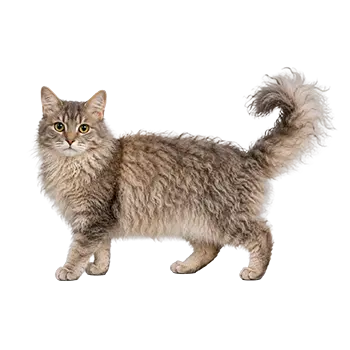

LaPerms tend to be adaptable and people-oriented cats, qualities that can make car travel somewhat easier than it is with more anxious or independent breeds. However, like all cats, LaPerms should always be secured in a well-ventilated, appropriately sized carrier during car trips. A carrier that allows the cat to stand, turn around, and lie down comfortably is ideal, and it should be secured with a seatbelt or placed on a stable surface to prevent shifting during sudden stops or turns.
Acclimating your LaPerm to the carrier well before any planned trip is one of the most effective ways to reduce travel stress. Leave the carrier out in your home with the door open, placing familiar bedding and treats inside to encourage voluntary exploration. Short practice drives around the neighborhood can help your cat associate the carrier and car with routine rather than anxiety. Many LaPerm owners find that their cats adjust to car travel relatively quickly, thanks to the breed's naturally curious and trusting disposition.
For longer road trips, plan regular stops to offer your LaPerm water and access to a portable litter box. Never leave a cat unattended in a parked car, as temperatures inside a vehicle can rise to dangerous levels within minutes, even on moderately warm days. Keep the car's interior at a comfortable temperature and minimize loud music or sudden noises that could startle your cat.
Motion sickness can affect some cats during car travel. Signs include drooling, vomiting, excessive vocalization, and lethargy. If your LaPerm shows signs of motion sickness, consult your veterinarian about anti-nausea medications or calming supplements that may help. Withholding food for a few hours before travel can also reduce the likelihood of an upset stomach.