
Car Travel

Traveling by car with a Kinkalow follows the same best practices as for any cat, with extra attention to the breed's small size. A secure, well-ventilated carrier is essential, both for safety and to keep the cat calm, and it should be large enough for the cat to stand and turn comfortably.

Because the Kinkalow is small and light, its carrier can shift easily, so securing it with a seatbelt or wedging it stably is important. Owners should never allow a cat to roam loose in a moving vehicle, as this is dangerous for both the cat and the driver.

For longer trips, gradual acclimation to the carrier and the car helps reduce stress. Short practice drives, familiar bedding, and avoiding feeding immediately before travel can all make the journey smoother. Fresh water and breaks on extended trips help keep the cat comfortable.

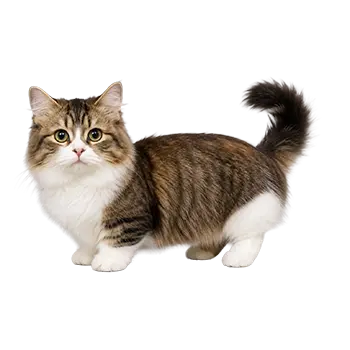
The Kinkalow's short legs do not pose special car-travel problems, but its overall small stature means owners should take care that the cat stays warm and is not jostled excessively during the ride.

Air Travel

Air travel with a Kinkalow requires advance planning, as airline pet policies vary considerably. The breed's small size is an advantage, since it can usually fit in an airline-approved under-seat carrier and travel in the cabin, which is generally safer and less stressful than cargo transport.

Owners must confirm carrier dimensions, health-certificate requirements, and any fees with the airline before booking, and pet reservations are often limited per flight. Booking early and verifying requirements close to the travel date helps avoid surprises.

Acclimating the cat to its carrier well before the trip reduces anxiety, and a veterinarian can advise on managing stress for nervous travelers. Sedation is generally discouraged for air travel unless specifically recommended by a vet, as it can affect breathing and temperature regulation.

For international flights, the import and quarantine rules covered under legal considerations also apply, so owners should research destination requirements thoroughly before flying with a Kinkalow.

Cat-Friendly Accommodations

Finding suitable lodging is easier with a small, quiet cat like the Kinkalow. Many hotels and rentals that accept pets impose size or species limits, and a compact cat typically falls well within those constraints.

Owners should confirm pet policies, fees, and any restrictions before booking, since "pet-friendly" can mean different things at different properties. Bringing familiar items such as bedding, a litter tray, and favorite toys helps the cat settle into an unfamiliar space.

Securing the room is also important, as cats can be startled in new environments and may try to hide or escape. Checking for gaps, keeping the carrier accessible, and minimizing disturbances during settling can prevent stressful incidents.

Boarding & Pet Sitting

When travel does not allow the Kinkalow to come along, boarding or pet sitting are common alternatives. The breed's social, people-oriented temperament means it generally does better with attentive care, whether at a quality boarding facility or with an in-home sitter.

In-home pet sitting is often less stressful for cats, since it keeps them in familiar surroundings and maintains their routine. For a small breed that may be sensitive to change, this stability can be especially valuable.

Whichever option is chosen, owners should provide detailed care instructions, feeding schedules, and emergency contacts, along with any notes about the breed's health considerations. Sharing veterinary information ensures the caregiver can respond appropriately if a problem arises.

Confirming that a boarding facility or sitter is comfortable with the breed's small size and any special needs gives owners peace of mind while away.

Emergency Preparedness

Preparing for emergencies is an important part of responsible Kinkalow ownership, particularly given the breed's small size. Owners should maintain an up-to-date pet emergency kit including food, water, medications, medical records, and a sturdy carrier ready for quick evacuation.

Microchipping and current identification are essential, since a small cat can be hard to locate if it escapes during a stressful event. Keeping registration details current improves the chances of a swift reunion.

Owners should also identify pet-friendly emergency shelters or accommodations in advance, as many general shelters do not accept animals. Knowing where to go ahead of time reduces confusion during an actual emergency.

Finally, because the Kinkalow may have health sensitivities related to its build, having veterinary records accessible and knowing the location of emergency animal clinics along any travel route is a sensible precaution.

Always consult a qualified professional before making any health-related decisions. This content is provided for informational reference only and should not replace professional guidance specific to your animal.