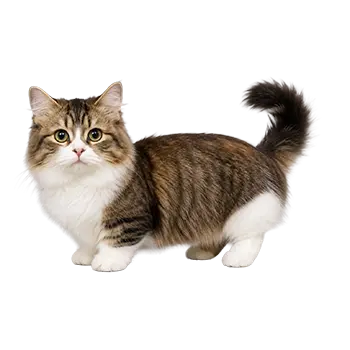

Breeding Regulations & Welfare Law

Legal attention to the Kinkalow centers less on ownership and more on breeding, because the breed combines two mutation-based traits. Some jurisdictions have animal-welfare laws that restrict or prohibit breeding animals with heritable conditions considered harmful, and dwarf cat breeds can fall within the scope of such rules.

In parts of Europe in particular, laws and breeding guidelines aimed at preventing the deliberate propagation of disabling traits may affect cats bred for dwarfism. The applicability of these rules varies widely by country and is subject to interpretation by local authorities.

In the United States, there is generally no specific legislation governing dwarf cat breeding, and the matter is largely handled through registry policies and breeder ethics rather than statute. Prospective breeders and owners should be aware that the legal landscape differs significantly between countries and can change over time.

This section is informational only and does not constitute legal advice. Anyone with specific questions about breeding laws should consult the relevant authorities or a qualified professional in their jurisdiction.

Ownership Requirements

For most owners, keeping a Kinkalow involves the same legal requirements as keeping any domestic cat. These commonly include licensing or registration where required by local government, rabies vaccination mandates, and compliance with general animal-care standards.

Some municipalities limit the number of pets per household or impose specific requirements for multi-cat homes, and these rules apply to Kinkalows as they would to any cat. Owners should check local ordinances, which vary by city and county.

Unlike certain dog breeds subject to breed-specific rules, cats are rarely targeted by breed-specific ownership restrictions. The Kinkalow is not typically singled out in ownership law, and standard pet regulations are usually the only requirements an owner must meet.

Liability & Insurance

Liability concerns for cat owners are generally lower than for dog owners, and the Kinkalow is no exception. Cats cause comparatively few liability claims, and the breed's small size further limits the risk of injury to people or property.

Renters and homeowners insurance policies sometimes address pets, but cat breeds are rarely excluded or surcharged in the way some dog breeds are. Owners should nonetheless review their policies to understand any pet-related provisions.

Because the Kinkalow can have health vulnerabilities associated with its build, some owners consider pet health insurance. Coverage terms vary, and some insurers may treat conditions linked to inherited traits as pre-existing, so it is worth reviewing policy details carefully before enrolling.

Housing & Rental Restrictions

Housing rules affecting the Kinkalow are the same as those that apply to cats generally. Many rental agreements include pet clauses that limit the number, size, or type of animals permitted, and some properties prohibit pets entirely or require additional deposits.

Cats are often more readily accepted than dogs in rental housing, and the Kinkalow's small size can be an advantage in negotiations with landlords. Even so, owners should secure written permission and clarify any pet-related fees before moving in.

Homeowners' associations and condominium boards may also impose pet rules. These restrictions rarely target specific cat breeds, so a Kinkalow is generally treated like any other housecat under such policies.

Import & Export Regulations

Moving a Kinkalow across borders is governed by the same international rules that apply to any domestic cat. Requirements commonly include vaccination records, microchip identification, health certificates, and sometimes quarantine periods, depending on the origin and destination countries.

Because the Kinkalow is rare and concentrated in the United States, international buyers sometimes import cats, making awareness of these regulations important. Rules differ substantially between countries, and some destinations have strict or lengthy entry procedures.

Separately, prospective importers should consider whether the destination country restricts the breeding or sale of dwarf breeds, as some welfare-oriented jurisdictions regulate such cats more tightly. Checking both the import requirements and any breed-related rules in advance helps avoid complications.

Rescue & Rehoming

Because the Kinkalow is rare, breed-specific rescue organizations are uncommon, and surrendered or rehomed individuals are more often handled through general cat rescues or returned to breeders. Many responsible breeders include return clauses in their contracts, asking that cats be returned to them if an owner can no longer provide care.

Adopters seeking a Kinkalow through rescue should be aware that availability is limited and that dwarf cats appearing in shelters may be of uncertain lineage. Standard adoption procedures, including spay/neuter and vaccination requirements, generally apply.

General animal-protection laws covering abandonment, neglect, and humane treatment apply to the Kinkalow as to all cats. Owners considering rehoming are encouraged to work with reputable rescues or the original breeder to ensure the cat's welfare.

This information is provided for general awareness and is not legal advice.

Always consult a qualified professional before making any health-related decisions. This content is provided for informational reference only and should not replace professional guidance specific to your animal.