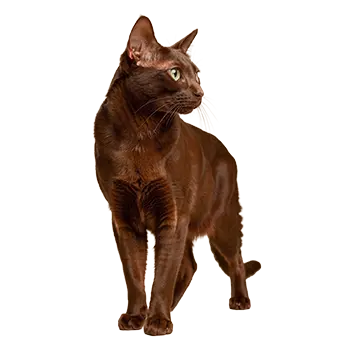

Unlike certain dog breeds that are frequently targeted by breed-specific legislation, domestic cat breeds such as the Havana Brown are generally not subject to breed-based ownership restrictions in the United States or most other countries. Breed-specific legislation for cats is rare and typically limited to hybrid breeds with wild ancestry, such as Bengals or Savannah cats, where concerns about wild animal genetics prompt some jurisdictions to impose ownership restrictions. The Havana Brown, as a fully domestic breed with no wild ancestry, does not fall under these regulations.
That said, cat owners should be aware that some municipalities and jurisdictions have enacted general cat-related ordinances that apply to all breeds. These may include mandatory licensing requirements, limits on the number of cats that can be kept in a single household, and provisions related to free-roaming cats. While none of these ordinances single out the Havana Brown specifically, they are part of the regulatory environment that any cat owner must navigate.
Some jurisdictions have introduced or considered legislation addressing the practices of cat breeders more broadly. These laws may establish licensing requirements for breeders, set standards for the conditions in which cats are housed and bred, or impose limits on the number of litters a breeder may produce in a given period. Havana Brown breeders, like all responsible breeders, should be familiar with the breeding regulations in their jurisdiction to ensure compliance.
It is worth noting that the regulatory landscape for pet ownership continues to evolve, and new legislation can be introduced at the local, state, or national level with relatively little notice. Cat owners and breeders are well advised to stay informed about legislative developments in their area and to participate in public comment processes when proposed regulations could affect their ability to own or breed cats responsibly.