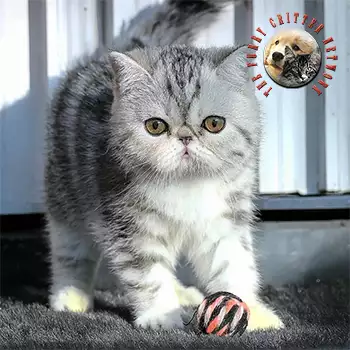

Car travel is generally the safest and most controllable mode of transport for Exotic Shorthairs, provided owners take appropriate precautions. The breed's calm temperament means that many Exotic Shorthairs adapt to car travel more readily than more anxious or high-energy breeds, but proper preparation is still essential. A well-ventilated, appropriately sized carrier should be secured in the back seat with a seatbelt or carrier strap to prevent it from shifting during sudden stops or turns.
Temperature management is particularly important for brachycephalic breeds like the Exotic Shorthair. Their shortened airways make them more susceptible to heat stress than cats with standard muzzle lengths, and a car interior can heat up dangerously fast even on moderately warm days. Air conditioning should be running before the cat is placed in the vehicle, and the carrier should be positioned where airflow can reach it effectively. Never leave an Exotic Shorthair unattended in a parked car, even with windows cracked, as the temperature inside a closed vehicle can reach lethal levels within minutes.
For longer road trips, plan rest stops every two to three hours to offer water and check on the cat's condition. Most Exotic Shorthairs will not eat during car travel due to mild stress, but fresh water should always be available. A small travel litter pan placed in the carrier or offered during stops can help with longer journeys. Familiar items from home, such as a favorite blanket or a piece of the owner's clothing, can provide comfort and reduce anxiety.
Acclimation to car travel should begin gradually if the cat has not traveled before. Short trips around the neighborhood, followed by positive reinforcement with treats and calm interaction, help build the cat's tolerance over time. Cats that show signs of severe motion sickness or extreme distress during car travel should be evaluated by a veterinarian, who may recommend anti-nausea medication or mild sedation for necessary trips.