
Car Travel

Car journeys with a Dwelf begin with a secure, well-ventilated carrier, which keeps the cat safe and contained whatever the drive brings. As with any cat, allowing a Dwelf to roam loose in a moving vehicle is unsafe for both pet and driver.

Temperature is the central concern for this breed. Because the Dwelf is effectively hairless, it chills easily and overheats quickly, so the cabin should be kept comfortably warm, drafts and direct air conditioning avoided, and the cat never left alone in a parked car in any weather.

Sun exposure deserves special thought. Hairless skin burns readily, and sunlight through a window can be enough to cause harm on a long drive, so shading the carrier or the glass is a sensible precaution. A soft blanket inside the carrier adds both warmth and comfort.

Air Travel

When flying, an in-cabin arrangement is strongly preferable to cargo for a Dwelf. The breed’s small size often makes cabin travel feasible, and keeping the cat with you provides far better control over temperature and stress than a cargo hold can offer.

Practical preparation includes confirming the airline’s pet policy, booking early because cabin pet spaces are limited, and obtaining any required health certificate within the airline’s accepted timeframe. A familiar blanket and a calm routine help manage the anxiety that travel can cause.

Throughout the journey, keeping the cat warm is the priority that distinguishes a hairless breed from a furred one. Airport and aircraft environments are often cool, so packing an extra layer for the carrier is wise.

Pet-Friendly Accommodations

When choosing lodging, confirm in advance that it genuinely welcomes cats and understand any associated fees or rules. Once there, recreating a warm, secure environment matters more for a Dwelf than for most breeds.

Bringing familiar bedding helps the cat settle, and providing warm resting spots away from drafts keeps it comfortable. As with travel generally, guarding against sunburn near sunny windows is worth remembering in an unfamiliar room.

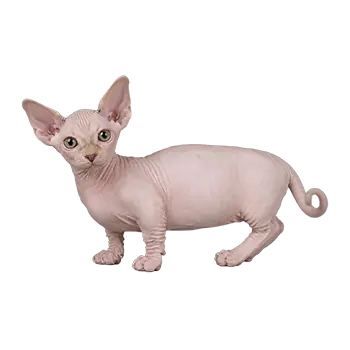
The Dwelf’s short legs are also worth considering. Because the breed cannot leap to high surfaces as easily as a typical cat, low and accessible resting places make a strange room easier to navigate and reduce the risk of awkward jumps.

Boarding & Pet Sitting

If the Dwelf cannot travel with you, choosing a sitter or boarding facility experienced with special-needs or hairless cats is important. The breed’s care routine is more involved than average, and a caregiver who understands that will provide far better support.

Clear instructions make all the difference. Hairless cats need regular bathing or skin wiping to manage the oils that fur would otherwise absorb, and the sitter should know the schedule along with feeding details and any medications.

Warmth, again, is non-negotiable. Confirming that the environment stays comfortably heated and that the caregiver knows to watch for signs of a chilled or overheated cat helps ensure the Dwelf stays well while you are away.

Emergency Preparedness

A prepared owner keeps an emergency kit ready for the Dwelf. Useful contents include a carrier, warm blankets, skin-care wipes, a supply of food and water, any medications, copies of veterinary and vaccination records, and a recent photograph in case the cat is lost.

In an emergency, temperature regulation is the first priority for a hairless cat. Plans for evacuation or sudden disruption should account for keeping the Dwelf warm, since a hairless breed loses heat far faster than a furred one in a cold or chaotic situation.

Permanent identification rounds out preparedness. A microchip with current contact details, supported by visible identification on the carrier, greatly improves the odds of a quick reunion if the unexpected happens.

Always consult a qualified professional before making any health-related decisions. This content is provided for informational reference only and should not replace professional guidance specific to your animal.