
Breeding Regulations & Welfare Law

Cats are rarely subject to the breed-specific bans that affect some dogs, but the breeding of cats is increasingly regulated, and this is the area of law most relevant to the Dwelf. A number of jurisdictions have introduced rules aimed at preventing the breeding of animals whose physical traits may compromise their health.

Several European countries have been especially active here. Germany’s animal welfare framework, for example, contains provisions against what is sometimes described as “torture breeding,” and other countries including the Netherlands have moved to restrict the breeding of cats and dogs with extreme physical conformations.

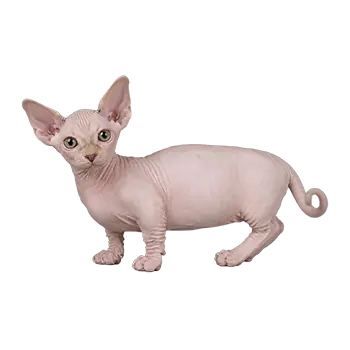
Because the Dwelf is founded on dwarfism combined with other structural mutations, it can fall within the scope of these discussions. Prospective breeders and owners should be aware that the legality and acceptability of breeding such cats varies considerably from one place to another. This information is general and educational rather than legal advice.

Ownership & Licensing

For ordinary ownership, most jurisdictions treat cats similarly regardless of breed. Requirements such as rabies vaccination, microchipping, and in some areas registration or licensing typically apply to the Dwelf exactly as they would to any other cat.

Some municipalities also set rules on the number of animals kept in a household, mandatory spay or neuter provisions, and outdoor or roaming restrictions. These local ordinances differ widely, so owners should confirm the specific rules that apply where they live.

Liability, Insurance & Pre-Existing Conditions

Pet insurance is worth careful attention for a breed like the Dwelf. Insurers sometimes apply higher premiums or specific exclusions to hairless and dwarf breeds, particularly for conditions regarded as related to their physical type, and policies vary in how they treat pre-existing or breed-associated conditions.

Reading the terms closely before committing is prudent, since coverage gaps can prove costly for a cat with specialized needs. The aim here is to flag the considerations rather than to recommend any particular product, and this is general information rather than financial or legal advice.

Housing & Rental Restrictions

Cats generally face fewer housing restrictions than dogs, but renters and residents of managed communities should still expect to encounter pet policies. Leases and homeowners’ association rules may include no-pet clauses, pet deposits or fees, or limits on the number of animals.

These restrictions usually apply to cats by general category rather than by breed, so the Dwelf is rarely singled out. Even so, securing written permission and clarifying any associated costs before moving in can prevent later disputes.

Import, Export & Travel Documentation

Moving a rare breed across borders involves more paperwork than domestic ownership. International travel typically requires an up-to-date rabies vaccination, a microchip, and an official health certificate, and some destinations add import permits or quarantine requirements.

Requirements differ significantly by country and can change over time, so anyone planning to import or export a Dwelf should verify the current rules with the relevant authorities well in advance. Building in extra time for documentation and veterinary appointments helps avoid problems at the border.

Animal Welfare & Anti-Cruelty Frameworks

General animal welfare and anti-cruelty laws apply to the Dwelf as they do to all pets, requiring owners to provide adequate food, shelter, and care. For a high-maintenance breed, meeting that standard includes attention to temperature regulation, skin care, and regular veterinary treatment.

Persistent failure to provide for such needs could, in principle, engage cruelty or neglect provisions. Framed positively, the same realities that make the Dwelf demanding also make conscientious care a clear legal as well as ethical expectation.

Always consult a qualified professional before making any health-related decisions. This content is provided for informational reference only and should not replace professional guidance specific to your animal.