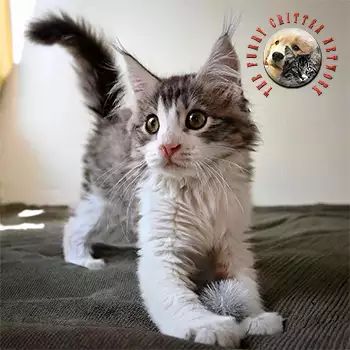

Film & Television

The Cymric has not been a staple of Hollywood productions in the way that more widely recognized breeds like the Siamese or Persian have, but tailless cats have made occasional appearances on screen that capture the attention of breed enthusiasts. When a film or television show calls for a cat with an unusual or distinctive look, the tailless silhouette of a Manx or Cymric can serve as a visual shorthand for mystery, otherness, or whimsy. These appearances are typically uncredited in terms of breed identification, leaving it to sharp-eyed viewers to recognize the rounded, tailless form.

Documentary programming has offered the Cymric its most substantive screen time. Nature and animal-focused shows that profile unusual or rare breeds have featured segments on tailless cats, often filmed on the Isle of Man to provide geographic and cultural context. These documentaries typically explore the genetic basis for taillessness, interview breeders, and showcase the cats in both domestic and semi-wild island settings. For many viewers, these programs represent their first introduction to the Cymric as a breed distinct from the shorthaired Manx.

Television segments on cat shows and breed competitions have also brought the Cymric to a broader audience. When a Cymric earns a high placement at a major show, the resulting media coverage often includes footage and commentary that highlights the breed's distinguishing features. Commentators frequently note the plush coat and the absence of a tail as features that set the Cymric apart from other longhaired breeds in competition, generating curiosity among casual viewers.

As streaming platforms have expanded the market for pet-focused content, the Cymric and other rare breeds have benefited from increased visibility. Series dedicated to profiling unusual animals, breed-specific rescue stories, and behind-the-scenes looks at cat shows have all provided opportunities for the Cymric to reach audiences who might never encounter the breed in person. This media exposure, while modest, has contributed to a slow but steady growth in public awareness.

Literature & Art

Tailless cats have appeared in literature connected to the Isle of Man for centuries, though these references typically describe the Manx without distinguishing between coat lengths. Travel writers visiting the island in the eighteenth and nineteenth centuries often remarked on the peculiar tailless cats they encountered, incorporating descriptions of the animals into broader accounts of island life and culture. These literary mentions helped establish the tailless cat as an iconic element of Manx identity long before formal breed registries existed.

In the world of cat breed literature, the Cymric has been featured in numerous breed encyclopedias, care guides, and coffee table books devoted to the diversity of domestic cats. Authors who specialize in feline topics have written about the breed's history, genetics, and care requirements, providing prospective owners with detailed information. These publications have played an important role in educating the public about the distinction between the Cymric and the Manx and in promoting responsible ownership practices.

Artists on the Isle of Man have long depicted tailless cats in paintings, illustrations, and decorative arts. Postcards, prints, and souvenirs featuring stylized tailless cats remain popular with tourists visiting the island. While these artistic representations rarely specify coat length, the rounded, compact body and absent tail that characterize both the Manx and the Cymric are instantly recognizable motifs. Some contemporary artists have specifically depicted the longhaired variant, celebrating the flowing coat that distinguishes the Cymric.

Children's literature has occasionally featured tailless cats as characters, drawing on the inherent visual appeal of a cat without a tail to create memorable and distinctive figures in illustrated stories. These characters may not always be identified by breed name, but their physical description aligns closely with the Cymric or Manx type. For young readers, these stories can spark an early interest in unusual cat breeds and the natural variation that exists within the domestic cat population.

Internet & Social Media

The rise of social media has been a significant development for rare breeds like the Cymric, providing a platform for visibility that was previously difficult to achieve through traditional media channels. Dedicated Cymric accounts on platforms such as Instagram and TikTok showcase the breed's fluffy, rounded appearance and endearing personality, attracting followers who are drawn to the novelty of a longhaired cat without a tail. The visual nature of these platforms is particularly well-suited to highlighting the Cymric's most distinctive features.

Online communities and forums dedicated to Manx and Cymric cats have become vital hubs for breed enthusiasts. These spaces allow owners, breeders, and admirers to share photographs, discuss health and care topics, and celebrate the breed's unique qualities. For prospective owners researching the breed, these communities provide firsthand accounts of what it is like to live with a Cymric, including candid discussions about the health challenges associated with the tailless gene.

The Cymric has also benefited from the broader internet fascination with unusual and rare cat breeds. Listicles, blog posts, and video compilations featuring uncommon breeds frequently include the Cymric, introducing it to audiences who are actively seeking out cats that look different from the typical domestic shorthair. This type of content serves as a gateway, directing curious viewers toward more detailed breed resources and breeder directories.

Viral moments, while infrequent, have occasionally thrust individual Cymrics into the spotlight. A particularly photogenic cat, an amusing video, or a heartwarming rescue story can generate significant short-term attention for the breed. While these moments are fleeting, they contribute to a cumulative awareness that keeps the Cymric in the broader conversation about cat breeds and helps ensure that the breed is not forgotten in a media landscape dominated by more common varieties.

Advertising & Branding

The Isle of Man has leveraged its tailless cats as a branding tool for decades, using the distinctive silhouette in tourism campaigns, government logos, and commercial products. This branding encompasses both the Manx and the Cymric, though the shorthaired version is more commonly depicted. Postage stamps issued by the Isle of Man Post Office have featured tailless cats on multiple occasions, and these philatelic items have become collectible among both stamp enthusiasts and cat fanciers.

Commercial cat food and pet product companies have occasionally featured Manx-type cats in their advertising, though the Cymric specifically is less commonly used due to its relative obscurity. When longhaired breeds are needed for advertising purposes, companies tend to reach for more recognizable options like the Persian or Maine Coon. However, the Cymric's unique appearance makes it a strong candidate for campaigns that aim to stand out from the crowd or emphasize the diversity of the feline world.

Within the cat fancy industry, the Cymric appears in promotional materials for cat shows, breed clubs, and registries. Show catalogs, breeder websites, and registry publications feature photographs of champion Cymrics alongside breed descriptions and standards. These materials serve a dual purpose, promoting specific events and breeders while also educating the public about a breed that many people have never encountered.

Local businesses on the Isle of Man have adopted the tailless cat motif as part of their branding, using it on everything from pub signs to shop logos. This commercial use reinforces the cat's status as a cultural icon and ensures that visitors to the island encounter the tailless cat image repeatedly during their stay. For the Cymric specifically, this widespread branding helps maintain a connection between the breed and its geographic and cultural origins, even as the breed is now bred primarily in North America and continental Europe.

The Popularity Effect

Unlike breeds that have experienced dramatic surges in popularity following a major media appearance, the Cymric has maintained a relatively stable and modest profile over the decades. This lack of a single breakout moment has had both advantages and disadvantages for the breed. On the positive side, the Cymric has been largely spared the problems that can accompany sudden popularity, such as overbreeding by inexperienced breeders, a flood of cats into shelters when the trend fades, and the health problems that arise from prioritizing appearance over wellbeing.

The Cymric's steady but limited popularity has allowed the breed community to maintain high standards for breeding practices and health testing. Because demand for Cymric kittens has never dramatically outstripped supply, reputable breeders have been able to be selective about placing kittens in appropriate homes and have not faced the same pressure to mass-produce litters that breeders of trendier breeds sometimes encounter. This has contributed to a community culture that prioritizes quality over quantity.

However, the breed's low profile also presents challenges. Limited public awareness means that many potential owners who might be well-suited to the Cymric never learn about the breed. Veterinarians in areas where the breed is uncommon may be unfamiliar with the specific health considerations associated with the Manx gene, potentially leading to delayed diagnosis of spinal issues. Breed clubs and individual breeders must work actively to educate both the public and the veterinary community about the Cymric's unique needs.

The future of the Cymric's popularity will likely be shaped by the same forces that influence all rare breeds in the digital age. Social media visibility, responsible breeder networks, and the growing public interest in unusual and heritage breeds all work in the Cymric's favor. As long as the breed community continues to prioritize health and temperament alongside the distinctive tailless appearance, the Cymric is well-positioned to grow its following gradually and sustainably.

Always consult a qualified professional before making any health-related decisions. This content is provided for informational reference only and should not replace professional guidance specific to your animal.