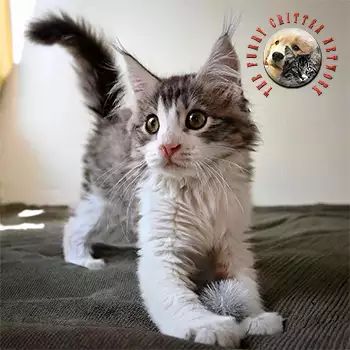

Car travel is generally the most straightforward and least stressful mode of transportation for Cymric cats, as it allows owners to control the environment and make stops as needed. A sturdy, well-ventilated carrier is essential for safe car travel, and it should be large enough for the cat to stand, turn around, and lie down comfortably. Given the Cymric's solid, cobby build, owners should select a carrier that accommodates the breed's compact but muscular frame without being excessively large, as a carrier that is too spacious can allow the cat to slide around during sudden stops.
Securing the carrier properly within the vehicle is a critical safety measure. The carrier should be placed on the back seat and secured with a seatbelt threaded through the handle or with a specialized carrier strap system. Placing the carrier on the floor behind the front seat is an alternative that can minimize movement during travel. The carrier should never be placed in the front seat where airbag deployment could cause serious injury, and cats should never travel loose in a vehicle.
For longer road trips, planning regular rest stops allows the cat to use a portable litter box, drink water, and receive reassurance from its owner. Cymrics are known for their calm, adaptable temperaments, which can make them better car travelers than more high-strung breeds, but even the most relaxed cat benefits from a predictable routine during travel. Offering a familiar blanket or toy inside the carrier can provide comfort, and maintaining a comfortable temperature in the vehicle is important, as the Cymric's dense, double-layered coat can make the breed sensitive to overheating.
Acclimating a Cymric to car travel from a young age can make the experience significantly less stressful for both cat and owner. Short practice trips that end with a positive experience, such as returning home to a favorite treat, can help build positive associations with the car and carrier. For cats that experience motion sickness or severe anxiety during car travel, consulting with a veterinarian about anti-nausea medication or mild sedation options is advisable well before a planned trip.