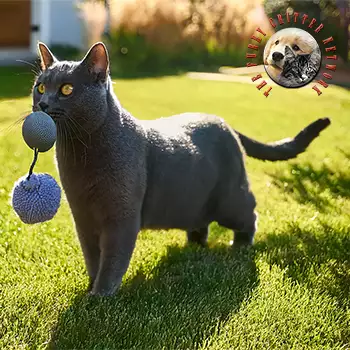

Unlike certain dog breeds, domestic cats — including the Chartreux — are generally not subject to breed-specific legislation in most jurisdictions. Cat BSL is exceedingly rare worldwide, and pedigreed domestic breeds like the Chartreux do not fall under the exotic or hybrid animal restrictions that apply to breeds with wild ancestry such as the Bengal or Savannah in their early generations. Chartreux owners can typically keep their cats without breed-related legal barriers.
However, it is worth noting that some jurisdictions have enacted or proposed legislation that affects cat ownership more broadly. Mandatory cat registration, microchipping requirements, and limits on the number of cats per household exist in various localities and apply to all domestic cats regardless of breed. Chartreux owners should familiarize themselves with the general cat ownership laws in their specific municipality, county, or region.
In some countries, particularly in parts of Europe and Australasia, there is growing legislative interest in restricting free-roaming cats to protect wildlife. While these laws are not breed-specific, they can affect Chartreux owners who may wish to allow their cats outdoor access. Mandatory containment orders, cat curfews, and designated cat-free zones have been introduced in parts of Australia and New Zealand, and similar measures are under discussion in some European jurisdictions.
Prospective Chartreux owners should research local regulations before acquiring a cat. While the breed itself faces no specific legal restrictions, the broader regulatory environment for cat ownership varies significantly between jurisdictions and can influence decisions about how and where to keep a Chartreux.