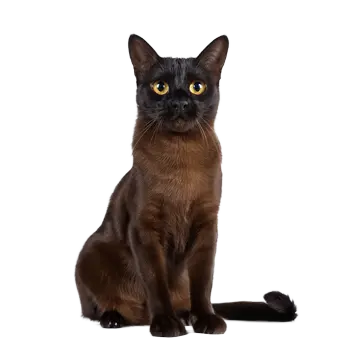

Car Travel

The Bombay's calm and adaptable temperament makes it one of the more manageable cat breeds for car travel, but preparation and safety precautions remain essential. A sturdy, well-ventilated carrier is the single most important piece of equipment for any car journey with a cat. The carrier should be large enough for the Bombay to stand, turn around, and lie down comfortably, but not so large that the cat is thrown around during sudden stops or turns. Hard-sided carriers with secure latches are generally preferred for car travel, as they provide better crash protection than soft-sided alternatives.

Securing the carrier properly within the vehicle is critical. The safest placement is on the back seat, secured with a seatbelt threaded through the carrier's handle or with a carrier-specific restraint system. Placing a carrier on the front seat is discouraged because airbag deployment can be fatal to a cat in a carrier. The carrier should never be placed in the trunk or cargo area of a vehicle where temperature and ventilation cannot be adequately controlled.

For longer car journeys, planning regular stops is important. While most cats do not need to be walked like dogs, offering water and a small portable litter box during breaks of an hour or more helps keep the cat comfortable and reduces stress. Bombays tend to be more socially oriented than many breeds, so speaking to the cat in a calm, reassuring voice during the drive can have a genuine calming effect. Some owners find that playing soft music or placing a worn piece of clothing in the carrier provides additional comfort.

Temperature management in the car is a serious safety consideration. Cars can heat up rapidly even on mild days, and cats are highly susceptible to heatstroke. Never leave a Bombay unattended in a parked car, even with windows cracked. During summer travel, ensure the air conditioning is functioning before loading the cat, and during winter, allow the car to warm up before placing the carrier inside. The Bombay's short, close-lying coat offers minimal insulation, making the breed somewhat more sensitive to temperature extremes than longer-coated breeds.

Air Travel

Air travel with a Bombay cat requires careful planning and a thorough understanding of airline policies, which vary significantly between carriers and change frequently. Most major airlines allow small cats to travel in the cabin in an approved soft-sided carrier that fits under the seat in front of the passenger. The Bombay's medium size means that most adult Bombays can comfortably fit in cabin-approved carriers, though owners should verify specific airline dimension requirements before booking.

Booking flights with a pet in the cabin typically requires advance reservation, as airlines limit the number of animals per flight. Fees for in-cabin pet travel vary by airline and route but generally range from moderate to substantial per flight segment. Direct flights are strongly preferred when traveling with a cat, as layovers introduce additional stress, temperature exposure, and the risk of mishandling during transfers.

Preparing a Bombay for air travel should begin well before the travel date. Acclimating the cat to its carrier over several weeks, using familiar bedding and treats to create positive associations, can significantly reduce travel anxiety. A visit to the veterinarian within the airline's required timeframe — usually ten days before departure — will produce the necessary health certificate. Discuss any concerns about travel anxiety with the vet, though many veterinary professionals now advise against sedating cats for air travel because sedation can impair a cat's ability to regulate body temperature and balance.

Cargo travel is an alternative for cats that cannot travel in the cabin, but it carries greater risks and is generally not recommended unless no other option exists. Temperature variations, noise exposure, and the stress of being separated from the owner make cargo travel significantly more taxing on a cat than cabin travel. If cargo travel is unavoidable, choose airlines with dedicated pet programs that offer climate-controlled holds and trained animal handlers, and avoid traveling during extreme weather when ground temperatures could endanger an animal waiting on the tarmac.

Pet-Friendly Accommodations

Finding pet-friendly accommodations has become considerably easier in recent years as the hospitality industry has recognized the growing demand for travel with companion animals. Many hotel chains now offer pet-friendly rooms, and a growing number of vacation rental platforms allow hosts to welcome pets. However, the definition of "pet-friendly" varies widely, and cat owners should always confirm specific policies before booking, as some properties welcome dogs but not cats, or impose restrictions on breed, size, or number of animals.

When booking accommodations for travel with a Bombay, several practical considerations come into play. Request a ground-floor room when possible to minimize the risk associated with open windows or balconies. Ask about any pet fees or deposits, which can range from nominal to significant depending on the property. Inquire whether the property requires pets to be crated when the owner is out of the room, and whether housekeeping will enter a room where a pet is present.

Setting up a comfortable temporary space for a Bombay in a hotel room or rental requires some forethought. Bring familiar items from home — a favorite blanket, a small litter box, food and water bowls, and a toy or two — to help the cat feel secure in an unfamiliar environment. The Bombay's strong attachment to its owner means the breed often adjusts to new spaces more readily than more independent breeds, provided the owner is present and attentive during the settling-in period.

Cat cafés and pet-friendly restaurants are increasingly common in many cities and can add enjoyment to trips with a sociable breed like the Bombay. However, owners should exercise caution when taking any cat into public spaces with unfamiliar animals or large numbers of people. Even a confident, well-socialized Bombay can become stressed by overstimulation, and a harness and leash should always be used outside of secure, enclosed environments.

Boarding & Pet Sitting

For trips where bringing the Bombay along is not practical, boarding facilities and pet sitters provide alternatives that can keep the cat safe and cared for during the owner's absence. The choice between boarding and in-home pet sitting often depends on the individual cat's temperament, the length of the absence, and the quality of available options in the owner's area.

Boarding facilities range from basic kennels to luxury cat hotels with private suites, webcam access, and daily play sessions. When evaluating a boarding facility for a Bombay, look for separate cat housing away from dogs, individual enclosures large enough for comfortable movement, clean and well-ventilated spaces, and attentive staff who understand feline behavior. A pre-boarding visit to tour the facility and ask questions is always advisable. Many facilities also require proof of current vaccinations and may request information about the cat's diet, medications, and behavioral quirks.

In-home pet sitting is often the less stressful option for cats, as it allows the animal to remain in its familiar environment. Professional pet sitters can visit once or twice daily to feed, clean the litter box, administer medications, and provide companionship, or they may offer overnight stays. The Bombay's social nature means the breed tends to benefit more from a pet sitter who spends extended time at the home rather than one who makes brief visits, as Bombays can become lonely and anxious when left alone for long periods.

Regardless of which option is chosen, preparing thoroughly before departure makes the experience smoother for the cat and the caregiver. Leave detailed written instructions covering feeding schedules, medication dosages and timing, veterinary contact information, emergency protocols, and any behavioral information the caregiver should know. For a Bombay, it is worth noting the breed's tendency to seek warmth, its potential for separation anxiety, and its talent for opening cabinets and doors — a trait that can lead to mischief if the caregiver is not forewarned.

Emergency Preparedness

Emergency preparedness is an often-overlooked aspect of responsible pet ownership, but natural disasters, evacuations, and unexpected crises can strike without warning. Having a plan in place for the Bombay's safety in an emergency can make the difference between a manageable situation and a devastating one. The foundation of any pet emergency plan is a go-bag — a pre-packed kit containing everything the cat needs to survive for at least three to five days away from home.

A Bombay emergency kit should include a secure carrier, a supply of the cat's regular food and bottled water, medications with dosing instructions, copies of vaccination records and registration documents, a recent photograph of the cat for identification purposes, a small litter box with litter, basic first aid supplies, and a familiar blanket or toy to provide comfort. The kit should be stored in an accessible location and checked periodically to ensure that food, water, and medications have not expired.

Microchipping and current identification are essential components of emergency preparedness. If a Bombay becomes separated from its owner during an emergency, a microchip provides a permanent form of identification that cannot be lost like a collar tag. Ensure that the microchip registration is current with accurate contact information, including a secondary contact person who could be reached if the primary owner is unavailable. A breakaway collar with an ID tag provides a visible backup identification method.

Developing relationships with people who can assist in an emergency is another important step. Identify a trusted neighbor, friend, or family member who can evacuate the cat if the owner is away from home when an emergency occurs. Share a copy of the emergency kit's location, the cat's veterinary information, and any special care requirements with this designated helper. For Bombay owners who live in areas prone to specific natural hazards — hurricanes, wildfires, earthquakes, flooding — incorporating the cat into household evacuation drills helps ensure that the plan works smoothly when it matters most.

Always consult a qualified professional before making any health-related decisions. This content is provided for informational reference only and should not replace professional guidance specific to your animal.