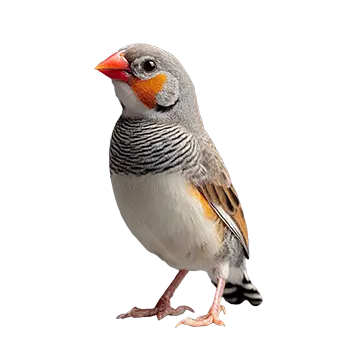

Preparing for Travel with Zebra Finches

Successful transport of Zebra Finches begins well before the day of travel. Preparation is the single most important factor in ensuring that the birds arrive at their destination healthy, calm, and ready to settle into new or temporary quarters. Whether the trip involves a short drive to a veterinary appointment or a cross-country shipment to a new owner, the principles of preparation are the same: minimize stress, anticipate environmental hazards, and ensure that food, water, and temperature remain within safe parameters throughout the journey.

A pre-travel health assessment is strongly recommended, particularly for longer trips or for birds that will be entering a new flock upon arrival. An avian veterinarian can evaluate the birds' overall condition, check for signs of illness that might be exacerbated by the stress of transport, and provide a health certificate if one is required by the destination jurisdiction or the transport carrier. Birds that are molting, breeding, or showing any signs of respiratory distress, lethargy, or gastrointestinal upset should not be transported unless doing so is medically necessary.

Acclimation to the travel carrier should begin several days before departure whenever possible. Placing the carrier in or near the birds' regular enclosure with the door open allows them to explore the space voluntarily, reducing the novelty and fear response when they are eventually confined. Offering treats inside the carrier reinforces positive associations. Zebra Finches are social birds that derive comfort from the presence of conspecifics, so traveling birds in pairs or small groups is generally preferable to isolating individuals, provided the carrier offers sufficient space to prevent overcrowding.

Packing a travel kit is an essential step that is easily overlooked. The kit should include a supply of the birds' regular seed mix sufficient for the duration of the trip plus a reasonable buffer, a small container of water or a water-dispensing system compatible with the carrier, a spare towel or cloth for covering the carrier to reduce visual stimulation, and any medications or supplements the birds require. For longer journeys, a battery-operated thermometer and a small flashlight can be useful for monitoring conditions inside the carrier without disturbing the birds unnecessarily.

Carrier Selection & Setup

The choice of carrier is critical to the safety and comfort of traveling Zebra Finches. Small, purpose-built bird transport cages are available from avicultural suppliers and are designed to provide adequate ventilation, secure closure, and appropriate perching in a compact, lightproof or semi-lightproof format. These carriers typically feature solid walls on three sides with a ventilated front or top panel, a configuration that reduces visual stimulation and wind exposure while maintaining airflow. For Zebra Finches, a carrier measuring approximately 12 inches long by 8 inches wide by 8 inches tall can comfortably accommodate two to four birds on a short to medium journey.

Perching inside the carrier should be kept low to prevent the birds from injuring themselves if the carrier is jostled during transport. A single perch positioned a few inches above the floor is sufficient for most trips. Some experienced transporters prefer to omit perches entirely for very short journeys, allowing the birds to rest on the padded floor of the carrier, which eliminates the risk of a bird losing its grip and falling during sudden movements. If perches are used, they should be secured firmly and made from natural wood or similar material that provides a comfortable grip.

The floor of the carrier should be lined with an absorbent, non-toxic substrate. Paper towels, untreated newsprint, or specialized cage-liner paper all work well and can be replaced quickly if soiled during the journey. Avoid loose substrates such as sand, grit, or wood shavings, which can shift during transport and create an unstable surface. Some keepers place a shallow layer of seed on the floor as well, giving the birds immediate access to food without the need for a feeder that might spill or become dislodged.

Water provision during transport requires careful thought. Open water dishes will inevitably spill in a moving vehicle, creating wet, cold conditions that can rapidly compromise a small bird's thermoregulation. Tube-style water dispensers that attach to the carrier wall are a far better option, as they deliver water on demand without spillage. For very short trips — under an hour — withholding water and offering it immediately upon arrival is a practical alternative. For longer journeys, scheduled water stops during which the carrier is placed on a stable surface and a small dish is briefly introduced allow the birds to drink under controlled conditions.

Ventilation must be adequate but not excessive. Zebra Finches are sensitive to drafts, and a carrier placed in the direct path of a vehicle's air-conditioning vent or an open window can expose the birds to dangerous temperature drops. The carrier should be positioned in a stable, level location within the vehicle where airflow is gentle and indirect, away from both direct sunlight and cold drafts.

Road Travel & Ground Transport

Traveling by car is the most common method of transporting Zebra Finches, whether for veterinary visits, show attendance, sales transactions, or household relocations. The controlled environment of a personal vehicle offers significant advantages: the keeper can regulate temperature, monitor the birds continuously, and stop as needed to check on conditions inside the carrier. With basic precautions, road transport is generally well tolerated by healthy Zebra Finches.

Temperature management is the most important variable during road travel. The interior of a parked car can reach lethal temperatures within minutes on a warm day, and Zebra Finches, despite their origins in hot Australian environments, are vulnerable to heat stress when confined in an enclosed space without access to water or shade. The carrier should never be left in an unattended vehicle, even briefly, during warm weather. In cold conditions, the vehicle's heating system should be used to maintain a stable interior temperature, and the carrier should be wrapped in a light cloth during transfers between the vehicle and indoor spaces to buffer against cold air.

Securing the carrier within the vehicle prevents sliding, tipping, and impact during sudden stops or turns. The footwell behind the front passenger seat is a popular location, as the seat provides a natural barrier on one side. Alternatively, the carrier can be placed on a level section of the rear seat and secured with a seatbelt threaded through the handle or around the carrier's body. The carrier should not be placed in the trunk or cargo area of a vehicle, where temperature and ventilation are difficult to control and where exhaust fumes may accumulate.

For long road trips exceeding several hours, plan rest stops at approximately two-hour intervals. During each stop, check the carrier's interior for soiled substrate, refill or offer water, and visually assess the birds for signs of distress such as open-mouth breathing, puffed feathers, or unusual lethargy. Keep the vehicle's engine running with climate control active during stops if temperatures are extreme. If traveling with a large number of birds for a show or sale, stagger the carriers to ensure adequate airflow between them and avoid stacking carriers in ways that block ventilation openings.

Noise is a frequently underestimated stressor during road travel. Loud music, sudden horn blasts, and the rumble of rough road surfaces can startle small finches and elevate their stress levels. Keeping the radio at a low volume or off entirely, driving smoothly, and choosing well-maintained routes where possible all contribute to a calmer transport experience.

Air Travel & Commercial Shipping

Transporting Zebra Finches by air is considerably more complex than ground travel and is typically undertaken only when birds need to cross long distances for sales, breeding exchanges, or relocations that make road transport impractical. Airlines that accept live animals as cargo generally require the birds to be shipped in IATA-compliant containers — rigid, well-ventilated shipping boxes that meet the International Air Transport Association's standards for live-animal transport. These containers are designed to withstand the rigors of cargo handling and to provide adequate ventilation and containment throughout the journey.

Not all airlines accept live birds, and those that do may impose seasonal restrictions based on temperature conditions at the origin, destination, or connecting airports. Many carriers will not transport live animals during extreme heat or cold, and some limit live-animal shipments to specific routes or hubs where trained handlers and climate-controlled facilities are available. Booking well in advance and communicating directly with the airline's live-animal desk is essential, as policies change frequently and online booking systems often lack the specificity needed for live-cargo shipments.

Documentation requirements for air transport typically include a health certificate issued by an accredited veterinarian within a specified window before the travel date, proof that the birds are captive-bred, and in some cases an import permit or quarantine reservation at the destination. International shipments may require additional customs documentation, phytosanitary certificates, or compliance with destination-country biosecurity protocols. Failure to have the correct paperwork in hand can result in the birds being refused at the airport, confiscated, or subjected to extended quarantine at the owner's expense.

Commercial bird-shipping services offer an alternative to navigating airline logistics independently. These specialized couriers handle the booking, packaging, documentation, and door-to-door delivery of live birds, drawing on established relationships with airlines and a detailed knowledge of regulatory requirements. While the cost of a commercial shipping service is higher than self-managed air transport, the reduction in logistical risk and the professional handling of the birds can justify the investment, particularly for high-value breeding stock or shipments crossing international borders.

Regardless of the method chosen, air transport is inherently stressful for small finches. The combination of unfamiliar noise, vibration, pressure changes, temperature fluctuations in cargo holds, and prolonged confinement places significant physiological demands on the birds. Minimizing transit time by choosing direct flights over connections, shipping during mild weather, and ensuring that the birds are in peak health before departure are all measures that improve outcomes. Upon arrival, birds should be transferred to a quiet, warm quarantine space and allowed to rest and rehydrate before being introduced to their permanent housing.

Temporary Housing & Accommodation

Situations that require temporary housing for Zebra Finches — overnight stays during long road trips, hotel stops during relocations, or holding periods at show venues — present their own set of challenges. The goal of temporary housing is to provide a secure, climate-controlled environment where the birds can rest, eat, drink, and recover from the stress of transport before the next leg of their journey or their introduction to a permanent enclosure.

A collapsible travel cage, larger than the transport carrier but still compact enough to fit in a hotel room or show hall, is a valuable piece of equipment for keepers who travel frequently with their birds. These cages typically fold flat for storage and can be set up in minutes, providing space for perching, feeding, and limited flight that a transport carrier cannot offer. For overnight stops, the travel cage should be placed in the quietest area of the room, away from windows, heating or cooling vents, and sources of strong artificial light. Covering the cage with a breathable cloth after dark helps the birds settle into a normal rest cycle.

Hotels and other accommodation providers do not universally permit pets, and those that do may not extend their policies to birds. Keepers planning overnight stops should confirm the accommodation's pet policy in advance and be prepared to provide assurances about noise, containment, and cleanup. Zebra Finches are quiet by companion-bird standards — their calls are soft and unlikely to disturb neighboring rooms — but a proactive conversation with the hotel staff can prevent misunderstandings. Some experienced avicultural travelers maintain lists of bird-friendly accommodations along frequently used routes.

At show venues, temporary housing arrangements are typically standardized by the organizing society. Show cages conform to specific dimensions and configurations dictated by the breed standards, and birds are expected to be displayed in clean, properly equipped cages for the duration of the event. Show protocols usually include guidelines for cage placement, feeding and watering schedules during judging, and biosecurity measures designed to minimize the risk of disease transmission between exhibitors' birds. Familiarizing birds with show-style cages before the event, through gradual acclimation sessions at home, reduces stress and improves the birds' composure during judging.

For birds being shipped to new owners, the receiving party should prepare a quarantine space in advance. This space should be separate from any existing bird collection, maintained at a stable temperature, and equipped with fresh food, water, and perching appropriate for Zebra Finches. A quarantine period of at least 30 days is widely recommended by avian veterinarians and experienced breeders to allow newly arrived birds to be observed for signs of illness before they are introduced to established flocks.

Health Considerations & Post-Travel Care

The stress of transport can suppress a Zebra Finch's immune system and unmask subclinical health issues that might otherwise remain undetectable. Post-travel care should therefore focus on minimizing additional stressors, supporting recovery, and monitoring for signs of illness during the days and weeks following arrival. Even birds that appear perfectly healthy immediately after a journey may develop symptoms of respiratory infection, gastrointestinal distress, or generalized malaise in the 48 to 72 hours that follow.

Upon arrival at the destination, the birds should be transferred from the transport carrier to a quiet, warm enclosure as promptly as possible. The enclosure should be located in a low-traffic area of the home or facility, away from other birds, loud household appliances, and direct sunlight. Fresh water should be offered immediately, as dehydration is one of the most common and most preventable consequences of transport. Adding an electrolyte supplement formulated for birds to the water for the first day or two can help restore hydration and mineral balance. Familiar food — ideally the same seed mix the birds were eating before the journey — should be available in an easily accessible feeder.

Observation during the post-travel period should be attentive but not intrusive. Excessive handling, cage rearrangement, or introduction to unfamiliar companions adds stress that the birds do not need while they are recovering from transport. Signs to watch for include fluffed or ruffled plumage sustained beyond normal resting posture, tail bobbing or labored breathing, discharge from the eyes or nares, changes in droppings such as discoloration, excessive wateriness, or undigested seed, and a reluctance to eat or drink. Any of these signs warrants prompt veterinary consultation, as small birds can deteriorate quickly when ill.

Birds that have been shipped over long distances or that have passed through multiple handling stages are at elevated risk for exposure to pathogens encountered in transit. Quarantine protocols — housing the new arrivals in a separate room from existing birds, using dedicated feeding and cleaning equipment, and washing hands between the quarantine space and the main collection — are essential biosecurity measures. The standard recommended quarantine period is 30 days, during which the birds should be observed daily and, if possible, tested for common avian pathogens such as Chlamydia psittaci, the causative agent of psittacosis.

For breeders receiving new genetic stock, the quarantine period also serves as an opportunity to assess the birds' temperament, physical condition, and suitability for their intended breeding program before committing them to the main aviary. Birds that arrive underweight, heavily stressed, or showing signs of feather damage may need weeks of recovery before they are fit for breeding. Patience during this transition period pays dividends in the long-term health and productivity of the flock.

Always consult a qualified professional before making any health-related decisions. This content is provided for informational reference only and should not replace professional guidance specific to your animal.