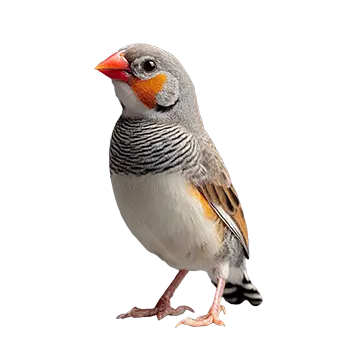

The legal status of the Zebra Finch varies significantly by jurisdiction, but its position as one of the most widely domesticated finch species generally works in the keeper's favor. Unlike many Australian native birds, which are subject to stringent protections both within Australia and under international treaties, the Zebra Finch's long history of captive breeding has created a clear legal distinction in most countries between wild populations and domesticated stock. Captive-bred Zebra Finches are typically classified as domesticated or semi-domesticated animals in regulatory frameworks, placing them in a less restrictive category than their wild counterparts.
At the international level, the Zebra Finch is not currently listed under the Convention on International Trade in Endangered Species of Wild Fauna and Flora (CITES), which means that international trade in captive-bred specimens does not require CITES permits. This absence from the CITES appendices reflects the species' robust wild population status and the self-sustaining nature of captive breeding programs worldwide. However, the lack of a CITES listing does not exempt the species from other national or regional trade and import regulations, which can be substantial.
The International Union for Conservation of Nature (IUCN) classifies the Zebra Finch as a species of Least Concern, further reinforcing its relatively unencumbered legal position in most markets. This classification indicates that the species faces no immediate threat of extinction and that its wild populations are considered stable. Prospective keepers should note, however, that conservation status and legal status are distinct concepts — a species can be abundant in the wild and still subject to strict regulations governing its capture, sale, or transport in specific jurisdictions.
Understanding the regulatory framework that applies to the Zebra Finch requires attention to multiple layers of law: international treaties, national legislation, state or provincial statutes, and in some cases municipal ordinances. The interaction between these layers can create a complex patchwork of requirements that differs substantially from one location to another. Keepers who plan to breed, sell, or transport Zebra Finches across jurisdictional boundaries should invest time in understanding the specific rules that apply to their situation.