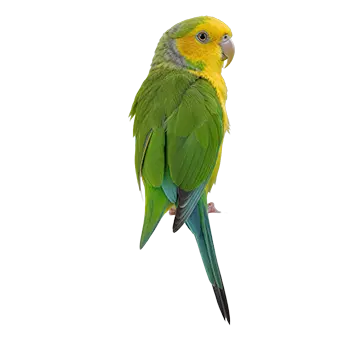

Any travel with a Yellow-Faced Parrotlet should begin well in advance of the actual departure date with a thorough assessment of the bird's health and readiness for the journey. A pre-travel veterinary examination by an avian-qualified veterinarian is essential, both to ensure the bird is in suitable condition to withstand the stresses of transport and to obtain any health documentation that may be required at the destination. The veterinarian should evaluate the bird's weight, body condition, respiratory function, and general demeanor, and should address any underlying health concerns that could be exacerbated by the physiological stress of travel.
For Yellow-Faced Parrotlets specifically, the veterinary visit should include a discussion of the bird's temperament and behavioral history in relation to novel environments and handling. Some individuals are naturally more adaptable and tolerant of disruption than others, and a bird that is highly stressed by routine changes in its environment may require additional preparation time, behavioral conditioning, or, in consultation with the veterinarian, supportive measures to manage anxiety during transit. Knowing the individual bird's tendencies allows the keeper to plan accordingly and to make informed decisions about whether a particular journey is advisable.
Gathering documentation is a critical component of pre-travel preparation. Depending on the route and destination, required documents may include a certificate of veterinary inspection (health certificate), proof of ownership, closed band or microchip identification records, and, for international travel, CITES permits and any additional import authorizations required by the destination country. Because processing times for official documents can range from days to weeks, beginning the paperwork process early is strongly advised. Missing or incomplete documentation can result in the bird being denied boarding, held at a border checkpoint, or confiscated by authorities.
Practical preparation of the bird itself should include acclimating it to the travel carrier in the days or weeks before departure. Placing the carrier in the bird's living area with the door open, offering treats and favorite foods inside, and allowing the parrotlet to explore and perch within the carrier at its own pace will reduce the novelty and fear associated with confinement on travel day. A bird that has positive associations with its carrier is significantly less likely to panic or injure itself during transport, and this investment of time before the journey pays dividends in reduced stress for both the bird and its keeper.