
Ornithological Literature & Field Guides

The Yellow-Faced Parrotlet's presence in ornithological literature dates to its formal description by Philip Lutley Sclater in 1858, but for more than a century after that initial publication, references to the species in scientific and popular bird literature remained sparse. The remoteness of its Maranon Valley habitat and the difficulty of accessing the region meant that firsthand observational accounts were rare, and most references to Forpus xanthops in 19th and early 20th century texts relied heavily on the original type specimens and a limited number of subsequent collections. The species appeared as little more than a brief entry in comprehensive parrot monographs, often with minimal information about behavior, ecology, or population status.

This began to change in the latter decades of the 20th century as Neotropical ornithology matured as a discipline and field access to the Peruvian Andes improved. Joseph Forshaw's landmark reference work on the parrots of the world included progressively more detailed accounts of the Yellow-Faced Parrotlet in successive editions, drawing on new field data and captive observations. Regional field guides covering Peru's birds, including the widely used guides by Schulenberg, Stotz, Lane, O'Neill, and Parker, gave the species proper treatment with range maps, plumage descriptions, and habitat notes that made it accessible to visiting birders and researchers for the first time.

The publication of specialized parrotlet monographs and avicultural reference books further elevated the species' profile in print. Authors focusing specifically on the genus Forpus devoted chapters to the Yellow-Faced Parrotlet's husbandry, breeding biology, and distinctive morphology, providing a depth of coverage that general parrot references could not match. These specialist texts became essential resources for breeders and keepers, circulating within the avicultural community and contributing to the knowledge base that supported successful captive propagation.

More recently, the Yellow-Faced Parrotlet has appeared in conservation-focused publications and reports produced by organizations such as BirdLife International and the IUCN. Species action plans, red list assessments, and regional biodiversity surveys have documented the parrotlet's population trends and habitat requirements, ensuring that the species is represented not only in hobbyist literature but also in the scientific and policy documents that inform conservation decision-making. This body of literature, while modest compared to that devoted to larger and more widely distributed parrots, provides a solid foundation for understanding the species' biology and cultural context.

Wildlife Documentaries & Broadcast Media

The Yellow-Faced Parrotlet has not achieved the level of documentary film exposure enjoyed by larger, more charismatic parrot species such as macaws, cockatoos, or African Greys. Its small size, restricted range, and relatively secretive behavior in the wild make it a challenging subject for conventional wildlife filmmaking, which often favors species that are visually dramatic, easily filmed, and narratively compelling to broad audiences. Nevertheless, the species has appeared in a number of documentary and broadcast media contexts that have brought it to wider attention.

Several documentary productions focusing on Peruvian biodiversity and Andean ecosystems have included footage of the Yellow-Faced Parrotlet as part of broader surveys of the region's endemic wildlife. These segments typically highlight the species' striking facial coloration and its association with the Maranon Valley's unique dry-forest habitat, positioning it as an example of the extraordinary biodiversity found in Peru's lesser-known ecological corridors. While such appearances are usually brief, they serve an important role in raising awareness of the species among viewers who might otherwise never encounter it.

Avicultural media, including specialty television programs and online video series dedicated to parrot keeping and breeding, have given the Yellow-Faced Parrotlet more sustained coverage. Programs profiling exotic bird collections, avian breeding facilities, and bird shows have featured the species in segments that showcase its appearance, personality, and the specialized care it requires. These productions tend to reach a more targeted audience of bird enthusiasts, but they contribute to the species' cultural visibility within the communities most likely to engage with it directly.

The rise of streaming platforms and on-demand nature content has created new opportunities for niche wildlife subjects to reach global audiences. Short-form documentaries and educational videos about Andean endemics, parrotlet diversity, and avian conservation have found homes on platforms where viewers can seek out content about specific species of interest. The Yellow-Faced Parrotlet benefits from this shift, as its rarity and visual appeal make it a compelling subject for content creators who cater to dedicated birdwatching and avicultural audiences rather than mass-market viewers.

Social Media & Online Communities

The digital age has transformed how enthusiasts discover, discuss, and share their experiences with the Yellow-Faced Parrotlet. Social media platforms have become primary gathering spaces for parrotlet keepers and breeders worldwide, and the Yellow-Faced Parrotlet occupies a prominent niche within these communities. Dedicated groups on platforms such as Facebook bring together hundreds of members who share photographs, breeding updates, husbandry advice, and veterinary information specific to Forpus xanthops, creating a collective knowledge base that would have been difficult to assemble in the pre-internet era.

Image-driven platforms have been particularly impactful for the species' visibility. The Yellow-Faced Parrotlet's bold yellow facial plumage and compact, photogenic proportions make it an ideal subject for the kind of striking visual content that performs well in social media feeds. Breeders and keepers regularly post high-quality photographs and short video clips that showcase individual birds' personalities, playful behaviors, and interactions with their human companions. These posts frequently generate enthusiastic engagement, introducing the species to viewers who may not have previously been aware of it and sparking interest in parrotlet keeping more broadly.

Online forums and discussion boards predating the social media era also played a significant role in building the Yellow-Faced Parrotlet's community. Platforms such as Avian Avenue, Parrot Forums, and various national avicultural society message boards hosted detailed threads on breeding techniques, genetic lineage tracking, dietary formulations, and the management of specific health concerns. The depth and specificity of information shared in these forums far exceeded what was available in printed avicultural references, and the archived discussions remain valuable resources for current and prospective keepers.

The community dimension of online parrotlet culture extends beyond information exchange. Breeders use social media and dedicated websites to announce available chicks, coordinate pairings to diversify captive gene pools, and connect prospective buyers with responsible sources. Online reviews and recommendations from experienced keepers help guide newcomers toward reputable breeders and away from sources associated with poor husbandry or questionable provenance. This self-regulating aspect of the digital community has contributed to higher standards of care and accountability within the Yellow-Faced Parrotlet avicultural world.

Photography & Visual Art

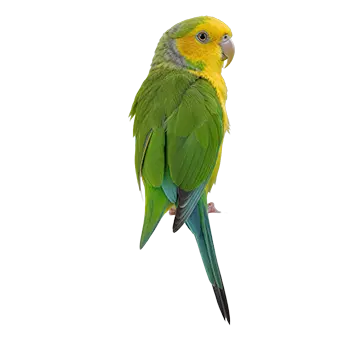
The Yellow-Faced Parrotlet presents both an opportunity and a challenge for wildlife and avicultural photographers. Its vivid yellow facial plumage, contrasting with the green body and the blue rump and wing markings found on males, creates a visually arresting subject that photographs beautifully under the right conditions. In captivity, skilled photographers have produced portfolio-quality images that highlight the species' color palette, feather texture, and expressive dark eyes, and these images circulate widely in avicultural publications, online galleries, and social media.

Photographing the species in its native Maranon Valley habitat is a considerably more demanding endeavor. The birds are small, fast-flying, and typically encountered in flocks that move quickly between feeding areas, making prolonged observation and composed photography difficult. The arid, scrubby landscape of the valley offers limited concealment for photographers, and the strong Andean light can create harsh contrasts that complicate exposure. Despite these challenges, a number of field photographers and birding tour participants have captured compelling images of wild Yellow-Faced Parrotlets, documenting behaviors such as feeding, preening, and social interactions that add scientific as well as aesthetic value.

Beyond photography, the Yellow-Faced Parrotlet has appeared in the work of wildlife illustrators and bird artists. Ornithological plate artists have rendered the species for field guides, monographs, and taxonomic references, requiring precise attention to plumage detail, proportions, and posture. Contemporary bird artists working in watercolor, oil, and digital media have also depicted the species, drawn by its unusual coloration and the opportunity to portray a lesser-known subject that stands out from the more frequently illustrated parrots.

The visual documentation of the Yellow-Faced Parrotlet serves purposes beyond aesthetics. High-quality photographs and illustrations contribute to species identification resources, support conservation education materials, and provide reference imagery for veterinary and avicultural publications. In a media landscape where compelling visuals drive engagement and awareness, the species' photogenic qualities are a genuine asset in efforts to raise its public profile and generate support for its conservation.

Representation in Avicultural Shows & Exhibitions

Avicultural shows, bird expos, and breeder exhibitions represent an important venue where the Yellow-Faced Parrotlet is displayed, judged, and discussed within the organized avicultural community. In Europe, where the tradition of competitive bird showing is deeply established, the species appears at national and regional exhibitions organized by ornithological societies in countries including the Netherlands, Germany, Belgium, and the United Kingdom. These events bring together breeders who present their birds for evaluation against breed-specific standards, with judges assessing plumage condition, color intensity, body conformation, and overall health.

The Yellow-Faced Parrotlet's presence at these exhibitions is notable because it occupies a specialist category that draws considerable interest from experienced exhibitors. Unlike more commonly shown parrotlet species, Forpus xanthops entries tend to be fewer in number but attract disproportionate attention due to the species' rarity and striking appearance. Winning examples are frequently photographed for show reports published in avicultural magazines and society newsletters, extending the visibility of individual birds and their breeders well beyond the event itself.

In North America, the exhibition culture for parrotlets is less formalized than in Europe, but the species appears regularly at bird fairs, avicultural society meetings, and educational events hosted by organizations such as the American Federation of Aviculture and regional bird clubs. These gatherings provide opportunities for breeders to display their stock, share breeding data, and connect with prospective buyers in person. The educational component of these events often includes presentations on parrotlet species, with the Yellow-Faced Parrotlet frequently highlighted as an example of a specialized breeding project that requires knowledge and commitment beyond what entry-level species demand.

The exhibition circuit also serves a conservation function, however indirect. By maintaining high standards for captive specimens and encouraging careful record-keeping of lineage and genetic background, the show community contributes to the long-term viability of captive populations. Breeders who participate in exhibitions are typically among the most conscientious in their approach to pairing decisions and health management, and the social networks formed at shows facilitate the kind of coordinated breeding efforts that help prevent the genetic bottlenecks that can threaten small captive populations over time.

Cultural Perception & the Parrotlet's Place in the Public Imagination

The Yellow-Faced Parrotlet occupies a distinctive but quiet corner of the broader cultural landscape surrounding parrots and companion birds. Unlike macaws, cockatoos, and African Greys, which have achieved widespread name recognition through decades of media exposure and a long history as popular pets, the Yellow-Faced Parrotlet remains largely unknown outside the dedicated communities of birders, aviculturists, and conservation professionals who engage with it directly. This relative obscurity is a reflection of the species' restricted natural range, its small size, and the specialist nature of its keeping in captivity.

Within those dedicated communities, however, the Yellow-Faced Parrotlet is held in high regard. Experienced parrotlet keepers often describe Forpus xanthops as the most visually striking and personality-rich member of the genus, and the species carries a certain prestige associated with its rarity, its breeding challenges, and the depth of knowledge required to maintain it successfully. This insider status gives the Yellow-Faced Parrotlet a cultural weight within aviculture that is disproportionate to its mainstream visibility, and discussions of the species in forums and at gatherings frequently carry an undertone of pride and protectiveness.

The species' vulnerable conservation status has also begun to shape its cultural perception in meaningful ways. As awareness of biodiversity loss and the plight of range-restricted species has grown among the general public, the Yellow-Faced Parrotlet has been cited in conservation communications and educational materials as a representative example of the many lesser-known species whose survival depends on targeted protection efforts. This framing positions the parrotlet not merely as a pet or a collector's bird but as an ambassador for the broader cause of habitat preservation in the tropical Andes.

Looking at the trajectory of the species' cultural presence, there is reason to expect that the Yellow-Faced Parrotlet's profile will continue to grow, driven by the expanding reach of digital media, the increasing sophistication of conservation storytelling, and the enduring appeal of the bird itself. Whether encountered in a breeder's aviary, a field guide, a social media feed, or a conservation report, Forpus xanthops makes an impression that lingers, and that capacity to capture attention is among the most valuable assets any species can possess in an era when public awareness is a prerequisite for meaningful conservation action.

Always consult a qualified professional before making any health-related decisions. This content is provided for informational reference only and should not replace professional guidance specific to your animal.