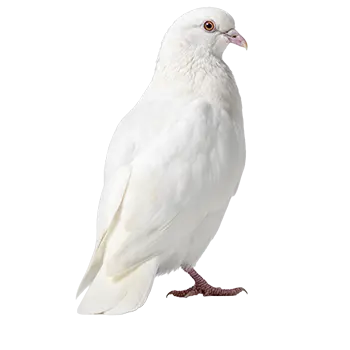

White Doves, as domesticated descendants of the Rock Dove (Columba livia), occupy a generally favorable legal position compared to many other companion birds. In the United States, domestic pigeons and doves are not protected under the Migratory Bird Treaty Act, which means that ownership, breeding, and sale of these birds do not require federal permits in most circumstances. This exemption reflects the species' long history of domestication and its status as a non-native, human-dependent variety rather than a wild bird. However, this federal permissiveness does not mean that White Dove ownership is entirely unregulated, as state and local ordinances can impose their own requirements.
State-level regulations governing dove and pigeon keeping vary considerably across the United States. Some states require no permits or licenses for keeping domestic doves in any quantity, while others impose registration requirements for breeders who maintain flocks above a certain size or who sell birds commercially. States with large agricultural sectors may have regulations that address pigeon and dove keeping in the context of poultry or livestock management, potentially requiring compliance with biosecurity protocols, disease reporting, and facility standards that apply to all captive bird populations.
Municipal and county ordinances represent the regulatory layer most likely to affect individual White Dove keepers. Many cities and towns have zoning regulations that classify doves and pigeons as poultry or livestock, restricting their keeping to properties zoned for agricultural use or requiring special permits for urban and suburban locations. Homeowner associations may impose additional restrictions on outdoor aviaries, loft structures, and free-flight arrangements that could affect neighbors. Noise ordinances, while rarely triggered by the soft cooing of doves, can occasionally become relevant when large flocks are maintained in densely populated areas.
Prospective White Dove owners should research the specific regulations applicable to their location before acquiring birds. Contacting the local animal control office, reviewing municipal code, and consulting with the homeowner association if applicable are prudent steps that can prevent compliance issues down the line. While the legal barriers to White Dove ownership are generally lower than those associated with parrots, raptors, or wild-caught species, they are not nonexistent, and responsible keepers benefit from understanding the regulatory landscape from the outset.