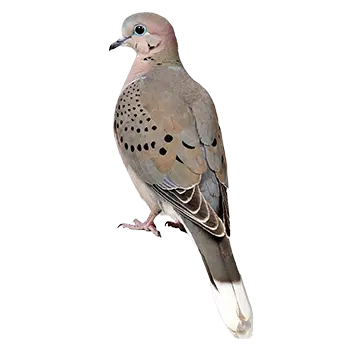
Mourning Doves are generally hardy, robust birds capable of living 2-5 years in the wild where mortality from predation, starvation, disease, hunting, and accidents is high, but in captivity with protection from these hazards, they can live 10-15 years with proper care, sometimes reaching 19+ years in exceptional cases with optimal conditions. Their basic hardiness and adaptability mean they are relatively forgiving of minor husbandry variations compared to delicate species, though proper care remains essential for health and longevity. Common health issues affecting Mourning Doves include trichomoniasis (also called "canker"), a protozoal disease caused by Trichomonas gallinae affecting the upper digestive tract particularly the mouth, throat, and esophagus, causing yellowish lesions, difficulty swallowing, regurgitation, weight loss, and potentially death without treatment using antiprotozoal medications like metronidazole or carnidazole, with prevention through clean water sources and preventing fecal contamination. Avian pox, a viral disease transmitted by mosquitoes or direct contact, creates wart-like lesions on featherless areas including around eyes, beak, and feet, requiring supportive care as no specific treatment exists though most birds recover if lesions don't impair eating or vision. Respiratory infections from bacteria, viruses, or fungi affect doves kept in cold, damp, or poorly ventilated conditions, causing nasal discharge, wheezing, breathing difficulties, and lethargy requiring antibiotic or antifungal treatment and improved environmental conditions. Parasites including intestinal worms (roundworms, tapeworms), coccidia, and external parasites (lice, mites) can affect doves particularly those housed outdoors, requiring fecal testing and appropriate antiparasitic treatment. Coccidiosis can be particularly problematic in young birds or overcrowded conditions, causing diarrhea, weight loss, and mortality requiring anticoccidial medication and improved hygiene. Salmonellosis, a bacterial infection, can affect doves particularly those exposed to contaminated feed or water, causing diarrhea, lethargy, and potentially death requiring antibiotic treatment. Obesity commonly affects captive doves fed unlimited seed without adequate exercise, leading to fatty liver disease, reduced flight ability, and shortened lifespan requiring dietary management and increased exercise opportunities. Egg binding affects female doves laying eggs without adequate calcium or appropriate conditions, creating life-threatening emergencies requiring immediate veterinary intervention. Trauma from collisions into aviary walls or wire, attacks by predators if housing is inadequate, or injuries during capture and handling can cause fractures, head trauma, or soft tissue injuries requiring veterinary assessment and treatment. Feather damage from overcrowding, excessive preening, or rough handling can occur, with damaged flight feathers impairing flight until the next molt. Bumblefoot (pododermatitis) can develop in birds kept on inappropriate perching surfaces lacking variation in diameter and texture, causing painful foot lesions requiring treatment and improved perch variety. Regular health monitoring by owners is important though doves mask illness until advanced stages as a survival adaptation. Establishing relationships with avian veterinarians or wildlife veterinarians experienced with doves and pigeons before emergencies occur ensures access to appropriate care. Annual wellness examinations are recommended for valuable breeding birds, allowing early detection of problems. During health checks, veterinarians perform physical examinations including weight assessment (Mourning Doves typically weigh 96-170 grams with variations by sex, age, and individual), body condition evaluation through pectoral muscle palpation, examination for external parasites, crop examination, and may recommend fecal testing for internal parasites and protozoal diseases, throat swabs for trichomoniasis if suspected, blood testing if indicated, and radiographs if trauma or egg binding is suspected. Proper diet and nutrition for Mourning Doves follows seed-based granivorous principles. High-quality dove and pigeon seed mix should comprise the majority of diet (70-80%), containing predominantly small seeds including white proso millet, red millet, canary seed, safflower seed, rape seed, and other small seeds appropriate for doves, avoiding large seeds like sunflower or corn that are too big for Mourning Doves to swallow easily. Commercial dove and pigeon mixes are widely available from feed stores and pet suppliers. Scatter seed on aviary floors or provide in low dishes accommodating ground-foraging behavior. Fresh greens and vegetables comprising 10-20% of diet including lettuce, spinach, kale, chickweed, and other leafy greens provide vitamins and variety, offered finely chopped or as whole leaves. Fresh fruits in small amounts including berries, apple, or melon can be offered occasionally for variety though doves may resist fruits. Grit including fine granite grit and calcium sources like crushed oyster shell or cuttlebone should be available free-choice allowing self-regulation, supporting seed grinding in the gizzard and providing calcium particularly important for laying females. Clean fresh water must be constantly available in clean, shallow dishes changed daily minimum, as doves drink frequently and contaminated water spreads disease particularly trichomoniasis. Environmental cleanliness prevents disease requiring daily droppings removal from frequently used areas, weekly thorough cleaning of aviaries or cages, disinfection of water and food dishes, and maintaining dry conditions preventing mold and bacterial growth. Appropriate housing providing adequate flight space, proper ventilation, protection from temperature extremes, and shelter from weather maintains health. Temperature tolerance is broad - Mourning Doves tolerate 40-90°F comfortably if acclimated and provided shelter, though sudden changes should be avoided. Provide heated shelter if temperatures drop below freezing. UV lighting or natural sunlight exposure supports vitamin D synthesis and calcium metabolism.
Regular health monitoring by owners is important though doves mask illness until advanced stages as a survival adaptation. Establishing relationships with avian veterinarians or wildlife veterinarians experienced with doves and pigeons before emergencies occur ensures access to appropriate care. Annual wellness examinations are recommended for valuable breeding birds, allowing early detection of problems. During health checks, veterinarians perform physical examinations including weight assessment (Mourning Doves typically weigh 96-170 grams with variations by sex, age, and individual), body condition evaluation through pectoral muscle palpation, examination for external parasites, crop examination, and may recommend fecal testing for internal parasites and protozoal diseases, throat swabs for trichomoniasis if suspected, blood testing if indicated, and radiographs if trauma or egg binding is suspected. Proper diet and nutrition for Mourning Doves follows seed-based granivorous principles. High-quality dove and pigeon seed mix should comprise the majority of diet (70-80%), containing predominantly small seeds including white proso millet, red millet, canary seed, safflower seed, rape seed, and other small seeds appropriate for doves, avoiding large seeds like sunflower or corn that are too big for Mourning Doves to swallow easily. Commercial dove and pigeon mixes are widely available from feed stores and pet suppliers. Scatter seed on aviary floors or provide in low dishes accommodating ground-foraging behavior. Fresh greens and vegetables comprising 10-20% of diet including lettuce, spinach, kale, chickweed, and other leafy greens provide vitamins and variety, offered finely chopped or as whole leaves. Fresh fruits in small amounts including berries, apple, or melon can be offered occasionally for variety though doves may resist fruits. Grit including fine granite grit and calcium sources like crushed oyster shell or cuttlebone should be available free-choice allowing self-regulation, supporting seed grinding in the gizzard and providing calcium particularly important for laying females. Clean fresh water must be constantly available in clean, shallow dishes changed daily minimum, as doves drink frequently and contaminated water spreads disease particularly trichomoniasis. Environmental cleanliness prevents disease requiring daily droppings removal from frequently used areas, weekly thorough cleaning of aviaries or cages, disinfection of water and food dishes, and maintaining dry conditions preventing mold and bacterial growth. Appropriate housing providing adequate flight space, proper ventilation, protection from temperature extremes, and shelter from weather maintains health. Temperature tolerance is broad - Mourning Doves tolerate 40-90°F comfortably if acclimated and provided shelter, though sudden changes should be avoided. Provide heated shelter if temperatures drop below freezing. UV lighting or natural sunlight exposure supports vitamin D synthesis and calcium metabolism. Owners must recognize illness signs including lethargy or huddling with fluffed feathers, loss of appetite or difficulty swallowing, yellowish lesions in mouth or throat (trichomoniasis), nasal discharge or breathing difficulties, diarrhea or abnormal droppings, weight loss or prominent keel bone, wounds or limping, inability to fly or favoring one wing, and sudden behavior changes. Doves deteriorate rapidly once symptoms appear, making prompt attention important. With appropriate seed-based diet, clean water preventing disease transmission, adequate housing allowing flight, protection from predators and weather, and attentive monitoring, Mourning Doves can live their full 10-15+ year captive lifespan as peaceful, elegant companions bringing gentle cooing and graceful presence to aviaries with straightforward, manageable care appropriate for beginners learning dove keeping while offering experienced keepers hardy, reliable, attractive native species for naturalistic displays.
Common Health Issues
- Respiratory infections from bacteria - Viruses, or fungi affect doves kept in cold, damp, or poorly ventilated conditions, causing nasal discharge, wheezing, breathing difficulties, and lethargy requiring antibiotic or antifungal treatment and improved environmental conditions.
- Obesity commonly affects captive doves fed unlimited seed without adequate exercise - Leading to fatty liver disease, reduced flight ability, and shortened lifespan requiring dietary management and increased exercise opportunities.
- Egg binding affects female doves laying eggs without adequate calcium or appropriate conditions - Creating life-threatening emergencies requiring immediate veterinary intervention.
- During health checks, veterinarians perform physical examinations including weight assessment - Mourning Doves typically weigh 96-170 grams with variations by sex, age, and individual, , body condition evaluation through pectoral muscle palpation, examination for external parasites, crop examination, and may recommend fecal testing for internal parasites and protozoal diseases, throat swabs for trichomoniasis if suspected, blood testing if indicated, and radiographs if trauma or egg binding is suspected.
Preventive Care & Health Monitoring
- Egg binding affects female doves laying eggs without adequate calcium or appropriate conditions - Creating life-threatening emergencies requiring immediate veterinary intervention.
- Annual wellness examinations are recommended for valuable breeding birds - Allowing early detection of problems.
- Proper diet and nutrition for Mourning Doves follows seed-based granivorous principles. - Proper diet and nutrition for Mourning Doves follows seed-based granivorous principles.
- Fresh greens and vegetables comprising 10-20% of diet including lettuce - Spinach, kale, chickweed, and other leafy greens provide vitamins and variety, offered finely chopped or as whole leaves.
- Grit including fine granite grit and calcium sources like crushed oyster shell or cuttlebone should be available free-choice allowing self-regulation - Supporting seed grinding in the gizzard and providing calcium particularly important for laying females.
- UV lighting or natural sunlight exposure supports vitamin D synthesis and calcium metabolism.\n\nOwners must recognize illness signs including lethargy or huddling with fluffed feathers, loss of appetite or difficulty swallowing, yellowish lesions in mouth or throat - Trichomoniasis, , nasal discharge or breathing difficulties, diarrhea or abnormal droppings, weight loss or prominent keel bone, wounds or limping, inability to fly or favoring one wing, and sudden behavior changes.