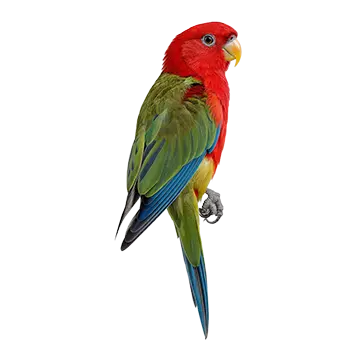

Successful transport of a Western Rosella begins well before the journey itself. Rosellas are alert, active birds that can become stressed by unfamiliar surroundings, sudden movements, and changes in routine. Advance preparation is the most effective tool for minimizing stress and ensuring the bird arrives at its destination in good health and condition. The type and length of the journey, whether a short drive to an avian veterinarian or a multi-day interstate relocation, will determine the scope of preparation required, but the underlying principles of safety, comfort, and gradual acclimatization apply in all cases.
Introducing the bird to its travel carrier several days or, ideally, weeks before the journey is one of the most valuable steps a keeper can take. Placing the carrier in or near the bird's living area, with the door open and a treat or familiar food item inside, allows the rosella to investigate the carrier at its own pace and to associate it with positive experiences rather than alarm. This process of desensitization reduces the likelihood of panic when the bird is confined to the carrier on travel day and can significantly lower overall stress levels during the journey.
A pre-travel veterinary check is advisable, particularly for longer journeys or interstate transfers. An avian veterinarian can assess the bird's general health, identify any conditions that might be exacerbated by the stress of travel, and provide a health certificate if one is required by the destination state or territory. The vet visit also offers an opportunity to discuss any concerns about hydration, temperature management, or medication that may be relevant to the specific journey planned.
On the day of travel, feeding the bird a light meal an hour or two before departure helps prevent an empty stomach without creating a risk of regurgitation in a moving vehicle. Water should be provided in a spill-resistant dish or through fruit with high moisture content, such as apple or cucumber, to maintain hydration without soaking the carrier bedding. Removing any loose toys, swinging perches, or other items that could shift during transit and injure the bird is a simple but important safety measure.