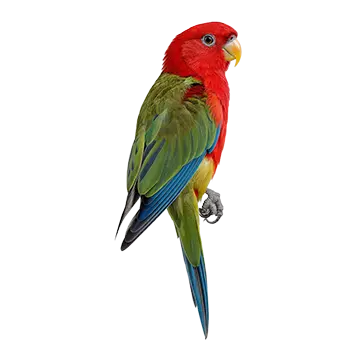

The Western Rosella, like all native Australian birds, is protected under the federal Environment Protection and Biodiversity Conservation Act 1999 (EPBC Act). This legislation establishes the overarching legal framework for the conservation and management of Australia's native flora and fauna, and it applies to the Western Rosella regardless of the state or territory in which the bird is found. Under the EPBC Act, actions that have or are likely to have a significant impact on a listed species, its habitat, or the ecological community it inhabits may require environmental assessment and approval from the federal Department of Climate Change, Energy, the Environment and Water.
The EPBC Act also governs the export and import of wildlife and wildlife products. Australia has maintained a general prohibition on the commercial export of live native birds since the Wildlife Protection (Regulation of Exports and Imports) Act 1982, which was subsequently rolled into the EPBC Act framework. This ban was introduced to curb the large-scale trapping and export of Australian parrots that had depleted wild populations throughout the mid-20th century. The Western Rosella falls squarely within the scope of this prohibition, meaning that no live Western Rosellas may be exported from Australia for commercial purposes without an exemption that is, in practice, almost never granted for parrots.
Limited exceptions to the export ban exist for approved zoo-to-zoo transfers, cooperative breeding programs between recognized institutions, and scientific research purposes, all of which require formal permits and compliance with strict conditions. These provisions ensure that any movement of Western Rosellas out of Australia serves a demonstrable conservation or scientific purpose and is subject to oversight by both federal authorities and the relevant state wildlife agencies.
The federal framework sets the floor for protection, but the day-to-day regulation of wildlife keeping, breeding, and trade within Australia is primarily managed at the state and territory level. Prospective and current Western Rosella keepers must therefore navigate both the federal layer and the specific requirements of the jurisdiction in which they reside, a dual system that can be complex but is designed to ensure consistent minimum standards of protection while allowing for regional variation in licensing and management approaches.