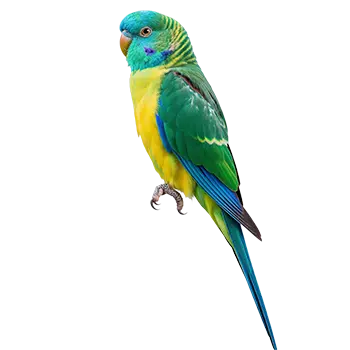

Any journey with a Turquoisine Parakeet begins well before the day of departure. Scheduling a veterinary examination with an avian-experienced practitioner at least two to four weeks in advance of travel is the single most important preparatory step. The veterinarian will assess the bird's overall health, confirm that it is fit to travel, and issue any health certificates or documentation required by the destination jurisdiction. For international travel, veterinary health certificates typically must be issued within a narrow window before departure, often ten days or fewer, so timing the appointment correctly is essential.
During the pre-travel veterinary visit, the practitioner should evaluate the bird for signs of respiratory infection, parasitic burden, nutritional deficiency, and any other conditions that could be aggravated by the stress of travel. Birds that are molting heavily, recovering from illness, or actively breeding should not be transported unless the journey is medically necessary. The veterinarian can also advise on strategies for managing travel-related stress, including recommendations for calming supplements, adjustments to feeding schedules, and environmental modifications within the carrier that can help the bird cope with unfamiliar stimuli.
Assembling the necessary documentation before travel is critical, particularly for interstate or international trips. Within Australia, the movement of native birds between states may require interstate transfer permits issued by the relevant wildlife authorities. Internationally, CITES permits and veterinary health certificates are typically mandatory, and some countries impose additional requirements such as quarantine periods, import permits, or proof of negative test results for specific avian diseases including Psittacosis and avian influenza. Gathering and verifying all documentation well in advance reduces the risk of delays, confiscations, or refusal of entry at the destination.
The days immediately before departure should be used to acclimate the bird to its travel carrier. Placing the carrier in or near the bird's regular enclosure with the door open, along with familiar food and water dishes, allows the Turquoisine to explore the space voluntarily and begin to associate it with routine rather than alarm. Birds that have been gradually introduced to their carrier are consistently calmer during transport than those placed in an unfamiliar container at the last moment. This acclimatization period is especially important for Turquoisine Parakeets, which are naturally cautious birds that respond poorly to sudden changes in their environment.