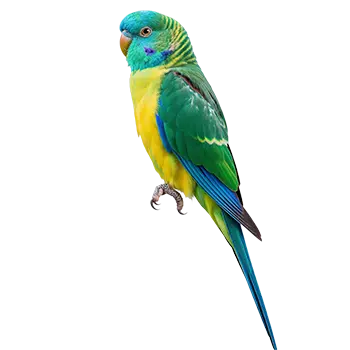

Australian Wildlife Protection Framework

The Turquoisine Parakeet, as an endemic Australian species, falls under the comprehensive wildlife protection framework that governs all native fauna on the continent. At the federal level, the Environment Protection and Biodiversity Conservation Act 1999 (EPBC Act) establishes the overarching legal structure for the protection of native species, including provisions related to trade, export, habitat destruction, and listing of threatened species. While the Turquoisine is not currently listed as a threatened species under the EPBC Act, its status as a native bird means that it is automatically protected from unauthorized taking, keeping, and trade under both federal and state legislation.

Australia's wildlife export ban, which traces its origins to the Wildlife Protection (Regulation of Exports and Imports) Act 1982 and its predecessor legislation from 1960, prohibits the export of native fauna except under tightly controlled circumstances such as approved scientific research or captive breeding programs operating under government-sanctioned agreements. This ban effectively closed the pipeline through which wild-caught and captive-bred Australian parrots, including the Turquoisine Parakeet, had historically entered international aviculture. The legislation reshaped the global availability of the species and forced overseas aviculturists to rely entirely on existing captive populations.

State and territory governments administer the day-to-day regulation of native wildlife within their jurisdictions. In New South Wales, where the majority of wild Turquoisine Parakeet populations occur, the Biodiversity Conservation Act 2016 governs the keeping of native animals and requires individuals to hold appropriate licenses before acquiring or breeding native birds. Similar legislative frameworks exist in Victoria, Queensland, and other states and territories, though the specific requirements, fee structures, and license categories vary considerably from one jurisdiction to the next.

Prospective keepers of Turquoisine Parakeets within Australia must navigate these layered regulatory requirements carefully. In most states, a basic native animal keeper's license is sufficient for holding a pair of Turquoisines for personal enjoyment, while more advanced licenses are required for breeding operations or the keeping of larger collections. License conditions typically specify minimum enclosure standards, record-keeping obligations, and reporting requirements for births, deaths, and transfers. Compliance with these conditions is monitored through periodic inspections and self-reporting mechanisms, and penalties for non-compliance can include fines, license revocation, and in serious cases, criminal prosecution.

The practical effect of this regulatory framework is that keeping a Turquoisine Parakeet in Australia is a lawful and well-supported activity, provided the keeper operates within the established licensing system. The system is designed to balance the interests of responsible aviculturists with the broader conservation objectives that underpin Australian wildlife law, and most keepers find the requirements straightforward to satisfy once the initial licensing process is complete.

CITES & International Trade Regulations

The international trade in Turquoisine Parakeets is regulated under the Convention on International Trade in Endangered Species of Wild Fauna and Flora, commonly known as CITES. All parrot species, with the exception of a small number of common non-threatened species, are listed on the CITES appendices, and the Turquoisine Parakeet is included on Appendix II. Appendix II listing means that while the species is not currently considered to be at risk of extinction, international trade must be regulated to prevent levels of exploitation that could threaten its survival. Any cross-border transfer of a Turquoisine Parakeet, whether for sale, breeding loan, or personal relocation, requires appropriate CITES permits issued by the management authorities of both the exporting and importing countries.

In practice, the combination of Australia's blanket wildlife export ban and the CITES Appendix II listing means that legal international trade in Turquoisine Parakeets involves exclusively captive-bred birds originating from populations established outside Australia. Breeders in Europe, North America, and elsewhere who wish to sell or transfer birds across national borders must obtain a CITES export permit from their own national authority, certifying that the birds are captive-bred and that the transaction will not be detrimental to the survival of the species. The importing country's CITES management authority must likewise authorize the importation, verifying that the necessary documentation is in order and that the recipient is equipped to house the birds appropriately.

The CITES permitting process involves documentary requirements that include proof of captive-bred status, identification of individual birds through closed leg bands or microchips, and completion of standardized application forms. Processing times vary by country and can range from a few weeks to several months, so breeders and buyers involved in international transactions are advised to begin the permitting process well in advance of any planned transfer. Failure to obtain proper permits before moving birds across borders constitutes a violation of both CITES and national implementing legislation, carrying penalties that can include confiscation of the birds, substantial fines, and criminal prosecution.

It is worth noting that CITES regulations apply at the national level through each signatory country's implementing legislation, and the specific procedures, fees, and enforcement mechanisms can differ significantly from one jurisdiction to another. Breeders and keepers who participate in international trade are responsible for understanding and complying with the requirements of all relevant jurisdictions, and avicultural societies often provide guidance and resources to help members navigate the permitting process.

Ownership Laws by Region

Outside Australia, the legal requirements for owning a Turquoisine Parakeet vary widely depending on the country, and in some cases, the state, province, or municipality in which the keeper resides. In the United States, ownership of captive-bred Turquoisine Parakeets is generally legal at the federal level, as the species is not listed under the Endangered Species Act and is not among the taxa for which the Lacey Act imposes special restrictions. However, individual states may impose their own requirements, including permit or licensing obligations, restrictions on the number of birds that may be kept, and specific standards for housing and care. States with particularly active avicultural communities, such as California, Florida, and Texas, tend to have well-established regulatory frameworks that keepers should consult before acquiring birds.

In the United Kingdom, the Turquoisine Parakeet may be kept without a specific license, as the species is not listed on Schedule 4 of the Wildlife and Countryside Act 1981, which requires registration for certain bird species. Keepers are nonetheless subject to general animal welfare legislation, including the Animal Welfare Act 2006, which imposes a duty of care on all animal owners and sets minimum standards for housing, diet, and veterinary attention. Breeders who sell birds commercially may be subject to additional regulatory requirements, including registration with local authorities and compliance with pet vending regulations.

In the European Union and the European Economic Area, member states implement the EU Wildlife Trade Regulations, which give domestic legal effect to CITES obligations. The specific requirements for keeping and breeding Turquoisine Parakeets vary by country: some nations require registration of individual birds and the use of closed leg bands for captive-bred specimens, while others impose licensing requirements on breeders who exceed a certain number of breeding pairs. Germany, the Netherlands, and Belgium, which have large and well-organized avicultural communities, have particularly detailed regulatory frameworks that address record-keeping, housing standards, and the sale of captive-bred parrots.

In Asia, the legal landscape for parrot ownership is diverse and evolving. Countries such as Japan and Singapore permit the keeping of captive-bred Turquoisine Parakeets under general companion animal regulations, while others impose more restrictive requirements or outright prohibitions on the keeping of certain parrot species. Prospective keepers in any jurisdiction are strongly advised to consult local wildlife authorities or established avicultural organizations before acquiring a Turquoisine Parakeet, as regulations can change and enforcement practices may differ from what is suggested by a plain reading of the law.

The overarching principle across all jurisdictions is that legal ownership of a Turquoisine Parakeet depends on the bird's documented provenance as a captive-bred individual and on the keeper's compliance with applicable local, national, and international regulations. Maintaining thorough records of acquisition, including breeder details, leg band numbers, and any CITES documentation, is the single most important step a keeper can take to demonstrate lawful ownership and to protect themselves in the event of a regulatory inquiry.

Breeding Regulations & Record-Keeping

The breeding of Turquoisine Parakeets is subject to regulatory requirements in most jurisdictions, ranging from simple record-keeping obligations to comprehensive licensing systems that govern every aspect of the breeding operation. In Australia, breeders must hold the appropriate class of native animal keeper's license for their state or territory, and breeding activities must be conducted in accordance with the conditions attached to that license. These conditions typically mandate the use of closed leg bands on all captive-bred chicks, the maintenance of detailed breeding records including parentage, hatch dates, and band numbers, and the timely reporting of all birds produced, sold, or transferred.

The closed leg band system is central to the regulatory framework governing parrot breeding in many countries. Bands are typically issued through approved avicultural societies or directly by wildlife authorities, and each band carries a unique identification number that links the bird to a specific breeder and hatch year. This system provides a verifiable chain of provenance that distinguishes captive-bred birds from wild-caught individuals, an essential distinction given the international prohibitions on trade in wild-caught Australian parrots. Breeders who fail to band chicks within the prescribed time frame, or who use unauthorized bands, risk regulatory sanctions and may find it difficult or impossible to legally sell or transfer their birds.

Record-keeping requirements serve multiple purposes within the regulatory framework. At the individual level, accurate records protect the breeder by providing documentary evidence of lawful acquisition and breeding. At the population level, aggregated breeding data contribute to the management of the captive gene pool, enabling avicultural societies and conservation authorities to track population trends, identify potential genetic bottlenecks, and coordinate breeding efforts across multiple collections. Some jurisdictions require breeders to submit annual returns summarizing their holdings and breeding outcomes, while others rely on ad hoc reporting triggered by specific events such as sales, transfers, or mortality.

Breeders operating at a commercial scale may face additional regulatory obligations, including registration as animal dealers or pet vendors, compliance with consumer protection legislation, and adherence to advertising standards that prohibit misleading claims about the health, genetics, or provenance of birds offered for sale. In some jurisdictions, commercial breeders are subject to more frequent inspections and more stringent housing standards than hobbyist keepers. The distinction between hobbyist and commercial breeding can be defined by the number of birds sold per year, the gross revenue generated, or a combination of factors that varies from one jurisdiction to the next.

Housing & Welfare Standards

Legal requirements for the housing and welfare of captive Turquoisine Parakeets are established through a combination of general animal welfare legislation and species-specific or taxon-specific codes of practice. In Australia, each state and territory publishes codes of practice for the keeping of captive birds, specifying minimum enclosure dimensions, construction standards, environmental enrichment requirements, and health management protocols. These codes carry legal weight and are enforceable through the licensing system: keepers who fail to meet the prescribed standards risk losing their licenses and facing prosecution under animal welfare statutes.

Minimum enclosure dimensions for Turquoisine Parakeets in Australian codes of practice typically reflect the species' need for horizontal flight space and access to ground-level foraging opportunities. Aviaries must provide adequate shelter from wind, rain, and extreme temperatures, along with appropriate perching at multiple heights and substrate that allows natural foraging behavior. The codes also address biosecurity measures, including protocols for quarantine of newly acquired birds, management of pest species, and prevention of disease transmission between enclosures. These requirements are designed to protect both the welfare of captive birds and the health of wild populations that might be affected by the release or escape of captive-held individuals.

In the European Union, animal welfare is addressed through both EU-level directives and national implementing legislation. The EU's general animal welfare framework establishes high-level principles, while member states develop detailed standards appropriate to their own regulatory traditions and avicultural practices. Germany's animal protection law, for example, includes specific provisions for the housing of parrots and parakeets that address flight space, social housing requirements, and dietary standards. The Netherlands and Belgium have developed similarly detailed frameworks, reflecting the strength and sophistication of the avicultural communities in those countries.

In the United States, welfare standards for captive birds are addressed primarily through state animal cruelty statutes, which establish baseline protections against neglect, abuse, and inadequate care. Federal legislation, including the Animal Welfare Act, applies mainly to commercial operations such as pet stores, breeders selling wholesale, and exhibitors, rather than to private hobbyist keepers. The absence of a uniform national code of practice for avian husbandry means that standards can vary significantly from state to state, and responsible keepers are encouraged to look to avicultural society guidelines and veterinary recommendations for best-practice standards that exceed the legal minimum.

Regardless of jurisdiction, the fundamental legal obligation of any Turquoisine Parakeet keeper is to provide conditions that meet the physical and behavioral needs of the species. This includes appropriate nutrition, veterinary care, social interaction, environmental enrichment, and protection from hazards including extreme weather, predators, and toxic substances. Keepers who are uncertain about their obligations should consult both the relevant regulatory authorities and established avicultural organizations, which can provide practical guidance on meeting and exceeding the legal standards for captive care.

Enforcement, Penalties & Staying Compliant

Enforcement of wildlife and animal welfare regulations as they apply to the Turquoisine Parakeet is carried out by a range of authorities depending on the jurisdiction and the nature of the alleged offense. In Australia, state wildlife agencies conduct routine inspections of licensed premises and investigate complaints of unlicensed keeping, illegal trade, or welfare violations. Federal authorities, including the Department of Climate Change, Energy, the Environment and Water, oversee compliance with export and import regulations and coordinate with CITES management authorities in other countries on matters of international wildlife trade.

Penalties for non-compliance with wildlife regulations can be substantial and may include financial penalties, confiscation of birds, revocation of licenses, and criminal prosecution. In Australia, individuals convicted of serious wildlife offenses, such as trafficking in illegally obtained native fauna or exporting wildlife without authorization, can face fines of hundreds of thousands of dollars and imprisonment. Even less serious offenses, such as failure to maintain required records or operating without a valid license, can result in meaningful penalties that reflect the importance Australian law places on the protection of native species.

Internationally, enforcement of CITES regulations is the responsibility of each signatory country's designated enforcement authorities, which may include customs agencies, wildlife departments, and specialized law enforcement units. At border crossings and ports of entry, customs officials are trained to inspect shipments of live animals and to verify the presence and validity of CITES permits. The use of the CITES trade database allows authorities to cross-reference permits and detect discrepancies that may indicate fraudulent documentation or unauthorized trade. Penalties for CITES violations vary by country but can include confiscation, fines, and imprisonment, and individuals convicted of wildlife trafficking may also face reputational consequences that effectively exclude them from legitimate avicultural activity.

For the vast majority of Turquoisine Parakeet keepers and breeders, compliance with applicable regulations is a straightforward matter of obtaining the necessary licenses, maintaining accurate records, using approved identification methods such as closed leg bands, and ensuring that housing and care meet the prescribed standards. Avicultural societies play a valuable role in supporting compliance by providing members with up-to-date information on regulatory changes, offering mentorship programs for new keepers, and advocating for clear, proportionate regulatory frameworks that protect both wildlife and the interests of responsible aviculturists.

Staying informed is the most effective strategy for avoiding regulatory problems. Regulations governing the keeping and breeding of parrots can and do change, sometimes with limited notice, and keepers who rely on outdated information risk inadvertent non-compliance. Regular engagement with avicultural societies, periodic review of relevant government websites, and direct communication with licensing authorities are all practical steps that keepers can take to ensure that their enjoyment of the Turquoisine Parakeet remains firmly within the bounds of the law.

Always consult a qualified professional before making any health-related decisions. This content is provided for informational reference only and should not replace professional guidance specific to your animal.