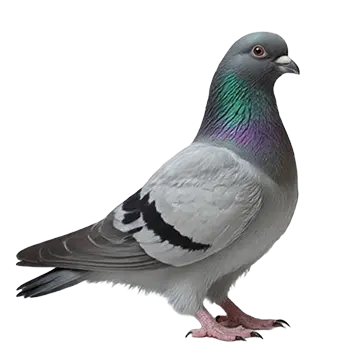

Proper preparation is the foundation of safe and stress-free transport for Tumbler Pigeons, regardless of whether the journey involves a short drive to a local show or a long-distance shipment to a buyer in another state or country. The process should begin well before the day of travel, with attention to the bird's physical condition, health status, and familiarity with confinement. Birds that will be transported should be in good overall health, at an appropriate weight, and free of any signs of illness or injury. Transporting a sick or stressed bird not only compromises that individual's welfare but also poses a disease transmission risk to other birds it may encounter at the destination.
Conditioning birds for transport involves gradually acclimating them to the type of carrier or shipping container that will be used. Tumbler Pigeons that have never been confined in a small space may react with panic, thrashing against the walls of the container and risking injury to themselves and damage to their plumage. Introducing the bird to the carrier in the days or weeks before travel, allowing it to spend short periods inside with food and water available, can significantly reduce stress during the actual journey. Exhibition birds, whose plumage condition is a judging criterion, benefit particularly from this acclimatization process, as calm birds are far less likely to damage feathers during transport.
Health certification requirements should be researched and fulfilled well in advance. Many states and countries require veterinary health certificates for the transport of live birds, and these certificates typically must be issued within a specified window before the date of travel. Some jurisdictions also require testing for specific diseases such as avian influenza or Salmonella, and the turnaround time for laboratory results must be factored into the preparation timeline. Fanciers who wait until the last moment to address health documentation frequently encounter delays or are unable to transport their birds as planned.
The timing of transport relative to the bird's recent activities is also worth considering. Performance-bred Tumbler Pigeons that have been flying daily benefit from a period of rest before transport, as a bird that has been vigorously exercised immediately before a journey may be fatigued and more vulnerable to the physiological stress of confinement and movement. Similarly, birds that have recently been mated or are actively feeding young should ideally not be transported, as the disruption to their breeding cycle can cause stress-related health issues and affect reproductive success.