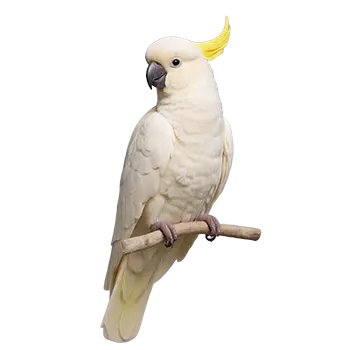

Traveling with a Sulphur-Crested Cockatoo requires thorough planning that begins well before the day of departure. The species' size, vocal power, sensitivity to environmental change, and protected legal status all introduce layers of complexity that are absent when traveling with smaller or more common companion animals. A successful trip starts with a comprehensive veterinary examination, ideally conducted by an avian veterinarian experienced with psittacine species, who can assess the bird's overall health, update any necessary vaccinations or treatments, and issue the health certificates that most carriers and destination authorities require.
Health certificates for avian travel are typically valid for a limited window, often 10 to 30 days depending on the issuing authority and the destination's requirements, so the veterinary visit must be timed carefully in relation to the travel date. In the United States, the USDA-accredited veterinarian's certificate is the standard document for interstate and international travel, confirming that the bird has been examined and found free of signs of communicable disease. International travel may additionally require endorsement of the health certificate by USDA-APHIS Veterinary Services, a process that involves submitting the completed certificate for federal review and stamping.
Beyond documentation, pre-travel preparation should include acclimating the cockatoo to its travel carrier over a period of days or weeks before the trip. Sulphur-Crested Cockatoos are intelligent and observant birds that respond poorly to sudden, unfamiliar confinement. Introducing the carrier gradually, placing familiar items inside, and allowing the bird to enter and exit voluntarily helps reduce the stress of travel day significantly. Short practice sessions in the car, with the carrier secured and the bird able to hear its owner's voice, can further ease the transition.
Owners should also prepare a travel kit that includes sufficient food and water supplies for the journey plus a generous buffer in case of delays, any medications the bird requires, a basic first aid kit appropriate for avian species, and copies of all relevant documentation including health certificates, ownership records, CITES permits if applicable, and band or microchip numbers. Having this documentation organized and readily accessible can prevent significant delays at airline counters, border checkpoints, and veterinary inspection stations.