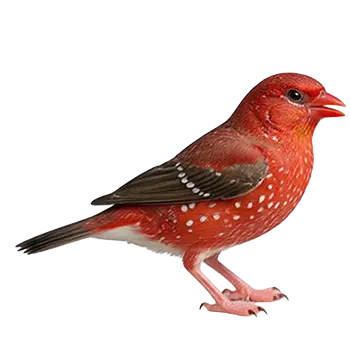

Successful transport of Strawberry Finches begins well before the journey itself. These small estrildid finches are sensitive to stress, temperature fluctuations, and disruptions to their routine, so careful advance preparation is essential to minimizing risk and ensuring the birds arrive at their destination in good condition. The first step is assessing the health of every bird that will be transported. Only birds in robust health should be subjected to the stress of travel, and any individuals showing signs of illness, injury, recent molt, or active breeding should be excluded from transport plans until they have fully recovered or completed their biological cycle.
A pre-travel veterinary examination is strongly recommended, particularly for longer journeys or international moves. An avian veterinarian can assess overall condition, check for parasites, and issue any health certificates or documentation that may be required by the destination jurisdiction. For international transport, veterinary health certificates must typically be issued within a defined window before departure, often 48 to 72 hours, so the timing of the veterinary visit must be coordinated carefully with the travel schedule.
Acclimation to the travel carrier should begin several days before the journey. Placing the carrier in the birds' familiar environment with food and water available allows them to explore and become comfortable with the enclosure before the stress of movement is added. Strawberry Finches are social birds and generally travel better in the company of familiar companions, so transporting bonded pairs or small groups together in a single carrier can help reduce anxiety. However, overcrowding must be avoided, and the carrier should provide enough space for each bird to perch and move without being constantly jostled by its neighbors.
Dietary preparation is another important consideration. In the days leading up to travel, ensure that the birds are well nourished and hydrated. Some experienced transporters offer a slightly enriched diet in the period before a journey, including additional egg food or soaked seeds, to ensure that the birds enter the transport period with good energy reserves. Fresh water should be available as close to the moment of departure as possible, and provisions for hydration during the journey itself should be planned in advance.