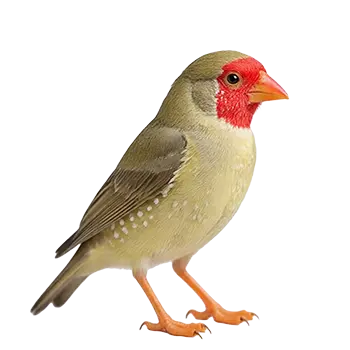

Birding Destinations for Wild Star Finches

For birdwatchers hoping to observe the Star Finch in its natural habitat, northern Australia offers several well-established destinations where the species can be reliably found during the right season. The Top End of the Northern Territory is perhaps the most accessible region, with sites around Darwin, Katherine, and the wetlands of Kakadu and Mary River providing opportunities to encounter Star Finches alongside a rich assemblage of other tropical birds. The species frequents the margins of watercourses, floodplains, and artificial stock dams where tall seeding grasses grow, and birders who focus their efforts on these microhabitats during the late dry season — roughly August through November — stand the best chance of encountering flocks coming to drink.

Far North Queensland offers additional birding opportunities, though the eastern subspecies Neochmia ruficauda ruficauda has become considerably scarcer than it once was. The Atherton Tablelands, the coastal plains around Townsville, and the inland savannas of the Gulf Country are areas where the species has been recorded, but sightings are less predictable than in the Northern Territory. Birders targeting the Queensland Star Finch should consult recent eBird data and local bird club reports for current information on where the species is being seen, as range contractions mean that historical site guides may no longer be reliable.

The Kimberley region of Western Australia is a third major destination, offering dramatic landscapes and relatively healthy Star Finch populations. The town of Kununurra and the surrounding Ord River irrigation area are well-known birding sites where Star Finches are regularly recorded. Further afield, the Mitchell Plateau and the Gibb River Road traverse remote country where grassfinches, including the Star Finch, can be found by birders willing to travel on unsealed roads and camp in basic conditions. The Kimberley's remoteness is part of its appeal, but it also demands careful logistical planning, particularly during the wet season when many roads become impassable.

Regardless of which region a birder chooses, timing the visit to coincide with the late dry season is critical. As surface water diminishes through the dry months, Star Finches concentrate around remaining waterholes and dams, making them easier to locate and observe. Early morning is the best time for observation, as birds visit water sources to drink before the heat of the day drives them into cover. A patient approach — sitting quietly near a known water source with binoculars and a camera — is far more productive than walking through grassland hoping to flush birds, and it also minimizes disturbance to the birds and their habitat.

Planning a Birding Trip to Northern Australia

A birding trip to northern Australia requires more logistical preparation than a trip to more temperate parts of the country. The tropical climate imposes constraints on timing, travel routes, and personal comfort that must be factored into the planning process. The dry season, running approximately from May through October, is the only practical window for most birding travel in the Top End and the Kimberley. During the wet season, from November through April, monsoonal rains flood vast areas of low-lying country, close unsealed roads, and make many birding sites inaccessible. The heat and humidity of the buildup — the weeks leading up to the wet season's onset — can also be physically demanding for visitors unaccustomed to tropical conditions.

Accommodation options range from well-appointed lodges and hotels in regional centers such as Darwin, Katherine, and Kununurra to basic bush camping in remote areas. Birders planning extended trips into the Kimberley or Gulf Country should be prepared for self-sufficient camping, including carrying sufficient water, fuel, and supplies for multi-day stretches between towns. Vehicle choice matters: a high-clearance four-wheel-drive vehicle is essential for most unsealed roads in the region, and carrying recovery gear, a satellite communication device, and a comprehensive first aid kit is standard practice for outback travel.

Guided birding tours offer an alternative to independent travel and can be particularly valuable for visitors unfamiliar with the region. Several Australian tour operators specialize in birding itineraries that cover the Top End, the Kimberley, or Cape York Peninsula, and these tours are led by experienced guides who know the local bird sites, can identify species by call, and can navigate the logistical challenges of outback travel. For birders whose primary target is the Star Finch, discussing this with the tour operator in advance ensures that the itinerary includes sites where the species is most likely to be encountered.

Health and safety considerations for tropical Australia include protection against sun exposure, heat-related illness, and encounters with wildlife such as saltwater crocodiles, venomous snakes, and stinging insects. Travelers should carry adequate sun protection, maintain hydration, and observe all safety signage at waterways. Vaccinations and prophylactic medications are generally not required for travel within Australia, but visitors should ensure that their routine immunizations are current and that they carry any personal medications in sufficient quantities for the duration of the trip.

Transporting Captive Star Finches by Road

Transporting captive Star Finches by road is a routine part of aviculture, whether the journey involves moving birds to a new aviary, delivering purchased stock to a buyer, or taking birds to a veterinary appointment or bird show. The key principles governing safe road transport are containment, ventilation, temperature management, and minimization of stress, and each of these factors requires thoughtful preparation before the journey begins.

The transport container should be appropriately sized for the number of birds being moved. For Star Finches, small travel cages or purpose-built transport boxes with solid sides and a mesh or barred front are preferred. Solid sides reduce visual stimulation and help prevent the birds from injuring themselves by flying at transparent walls. The container should be large enough for the birds to perch and turn around but not so spacious that they are thrown about during braking or cornering. A single perch positioned low in the container is generally sufficient. The floor should be lined with a non-slip material such as paper towel or a thin layer of clean bedding to provide traction and absorb droppings.

Ventilation is critical, particularly during warm weather. Transport containers must allow adequate airflow without creating direct drafts on the birds. In vehicles without climate control, transport during the coolest part of the day — early morning or late evening — is strongly advisable. Birds should never be left unattended in a parked vehicle, as temperatures inside a closed car can rise to lethal levels within minutes, even on moderately warm days. If the journey involves stops, the birds should be brought inside or the vehicle should be parked in full shade with windows opened to maintain airflow.

Water provision during short journeys of a few hours is generally unnecessary and can create more problems than it solves, as open water containers in a moving vehicle will spill and wet the birds. For longer journeys, a small dish of water can be offered during rest stops, or a piece of moist fruit such as apple or cucumber can be placed in the container to provide hydration without the risk of spilling. Food is similarly unnecessary for short trips but should be provided during rest stops on journeys exceeding several hours.

For interstate transport within Australia, keepers must comply with the permit and notification requirements of both the originating and receiving jurisdictions. These requirements, which are detailed in the legal section of this content area, typically involve obtaining an interstate wildlife transport permit and ensuring that the birds are banded and accompanied by documentation that establishes their legal provenance. Failure to carry the required permits during road transport can result in the confiscation of the birds at police or fisheries checkpoints, which are common on major highways in regional Australia.

Air Transport & Airline Regulations

Air transport of Star Finches is sometimes necessary for long-distance moves within a country or for international shipments between breeders. The process is more complex and more heavily regulated than road transport, involving coordination with airlines, compliance with aviation safety rules, and adherence to animal welfare standards that govern the conditions under which live animals may be carried in the cargo hold of commercial aircraft.

Most major airlines accept live birds as cargo, but the specific policies, container requirements, and booking procedures vary between carriers. In Australia, domestic airlines such as Qantas and Virgin Australia have established procedures for the carriage of live animals, including birds, as checked or freight cargo. Finches are typically not permitted in the passenger cabin and must travel in the pressurized, temperature-controlled cargo hold. Shippers must use airline-approved containers that meet International Air Transport Association Live Animals Regulations standards, and the container must be clearly labeled with live animal stickers, orientation arrows, and the shipper's contact information.

The IATA Live Animals Regulations provide detailed specifications for containers used to transport live birds by air. For small finches such as the Star Finch, the regulations specify container dimensions, ventilation requirements, perch placement, and food and water provision. Containers must be constructed of materials that are strong enough to prevent escape and damage during handling, and they must allow airline staff to inspect the birds without opening the container. Compliance with IATA regulations is a condition of acceptance by most airlines, and shippers who present non-compliant containers may have their shipment refused at the check-in counter.

Timing and routing considerations are important for minimizing stress and risk during air transport. Direct flights are strongly preferred over itineraries with connections, as each transfer introduces additional handling, potential temperature exposure, and delay. Shipping during extreme weather — the peak of summer or the depths of winter — should be avoided if possible, as cargo facilities and tarmac conditions may expose the birds to temperature extremes despite the climate-controlled cargo hold. Scheduling the shipment for early-morning flights reduces the likelihood of tarmac delays in hot weather and allows the birds to arrive at their destination with the full day ahead for settling in.

The cost of air transport can be significant, particularly for international shipments that involve veterinary certification, customs clearance, and quarantine on arrival. Shippers should budget not only for the airline's cargo fee but also for the cost of the approved container, the pre-shipment veterinary examination, health certificates, and any import permits required by the destination country or state. Working with a specialist animal transport agent who is experienced in shipping live birds can simplify the process and reduce the risk of costly errors or delays.

Health Certificates & Quarantine Protocols

Health certification is a standard requirement for the transport of live birds across state lines within Australia and for all international shipments. The purpose of health certificates is to attest that the birds being transported have been examined by a qualified veterinarian and found to be free from signs of infectious disease, thereby protecting both the receiving flock and the broader avian population at the destination from the introduction of pathogens.

Within Australia, interstate transport of live birds typically requires a health certificate issued by a registered veterinarian within a specified period before the date of travel, often 72 hours or seven days depending on the jurisdiction. The certificate should identify the species, the number of birds, any band or ring numbers, the origin and destination addresses, and the veterinarian's assessment of the birds' health status. Some states may also require testing for specific diseases, such as psittacine beak and feather disease or avian polyomavirus, before issuing a health certificate for interstate movement.

International health certification is considerably more detailed and must conform to the requirements of both the exporting and importing countries. Exporting countries typically require that the health certificate be issued by a government-accredited veterinarian and endorsed by the national veterinary authority. The certificate must confirm that the birds have been examined, that they are clinically healthy, and that they have been tested for specified diseases according to protocols recognized by the importing country's veterinary service. The diseases tested for may include avian influenza, Newcastle disease, chlamydiosis, and others depending on the regulatory framework of the destination.

Quarantine on arrival is a feature of many international import regimes and of some interstate transport systems within Australia. Australia's own import quarantine requirements are among the world's most rigorous, reflecting the country's status as an island continent with unique and vulnerable wildlife populations. Imported birds are typically held in a government-approved quarantine facility for a period of 30 to 45 days, during which they are monitored for signs of disease and may be subjected to additional diagnostic testing. The costs of quarantine, including facility fees, veterinary supervision, and feeding, are borne by the importer and can be substantial.

For Star Finch keepers, the practical implications of health certification and quarantine requirements are twofold. First, any transport that crosses a jurisdictional boundary — whether state or national — should be planned well in advance to allow time for veterinary examinations, laboratory testing, and the processing of permits and certificates. Second, the birds themselves should be in optimal health before transport, as the stress of travel can suppress immune function and unmask latent infections. A pre-transport health check by an avian veterinarian, combined with appropriate quarantine of new arrivals at the destination, represents best practice for protecting both the transported birds and the resident flock.

Minimizing Travel Stress & Post-Arrival Care

The Star Finch, like all small passerines, is susceptible to stress during transport, and the management of that stress is central to ensuring that birds arrive at their destination in good health. Stress in transported birds manifests in several ways: elevated respiratory rate, fluffed plumage, refusal to eat or drink, abnormal vocalization or silence, and in severe cases, shock or death. Understanding the sources of transport stress and taking practical steps to mitigate them can significantly improve outcomes for both the birds and their keepers.

The primary stressors during transport are unfamiliar surroundings, noise, vibration, temperature fluctuation, and the absence of normal social and environmental cues. Reducing these stressors begins with acclimating the birds to the transport container before the journey. Placing the container in the aviary for a day or two before travel, with the door open and food inside, allows the birds to investigate and become familiar with the enclosure in a low-stress context. On the day of travel, catching the birds calmly and efficiently — ideally in dim light, which reduces panic — and transferring them to the container with minimal handling further reduces the acute stress of the process.

During the journey, maintaining a quiet, stable environment is the most effective stress-reduction strategy. Covering the transport container with a lightweight cloth reduces visual stimulation and creates a sense of enclosure that many birds find calming. Positioning the container in the vehicle where vibration and noise are minimized — typically on the floor of the rear passenger area, secured against sliding — helps prevent the jolting and buffeting that can cause injury and panic. Playing quiet music or radio at low volume can mask sudden, startling noises such as horns or road noise, though this is not universally recommended and should be assessed on a case-by-case basis.

Post-arrival care is as important as the transport itself. When the birds reach their destination, they should be transferred to a quiet, warm holding cage or aviary and allowed to settle without disturbance for at least 24 hours. Fresh water should be available immediately, and familiar food items — ideally the same seed mix the birds were eating before transport — should be provided to encourage prompt resumption of feeding. Monitoring the birds closely during the first few days for signs of illness, injury, or persistent stress is essential, as problems that are caught early are generally easier to treat.

A quarantine period of 30 to 45 days for newly arrived Star Finches is recommended as a biosecurity measure, regardless of whether it is legally required. Housing new birds separately from the resident flock allows the keeper to observe the newcomers for signs of infectious disease before they are introduced to other birds. This precaution is particularly important when birds are acquired from unfamiliar sources, transported over long distances, or mixed with birds from multiple origins at shows or sales. The quarantine period also gives the birds time to recover from the physiological effects of transport stress and to adjust to their new environment, diet, and daily routine before facing the additional social stress of integration with an established group.

Always consult a qualified professional before making any health-related decisions. This content is provided for informational reference only and should not replace professional guidance specific to your animal.