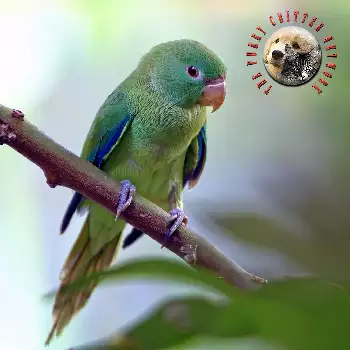

Preparing Your Parrotlet for Travel

Successful travel with a Spectacled Parrotlet begins well before departure day. Because parrotlets are small, metabolically active birds that can be sensitive to stress, preparation is essential for minimizing the physiological and psychological toll of transport. The first step is ensuring that the bird is in good health. A pre-travel veterinary examination should be scheduled at least two to three weeks before any planned trip, allowing time to address any health concerns that might make travel risky and to obtain the health certificates that many airlines and destination jurisdictions require.

Carrier acclimation is one of the most important preparatory steps an owner can take. Introducing the travel carrier into the bird's environment days or weeks before the trip allows the parrotlet to investigate it at its own pace. Placing treats, favorite toys, and small portions of food inside the carrier during daily sessions helps the bird form positive associations with the enclosure. A Spectacled Parrotlet that enters its carrier willingly and calmly is far less likely to experience the kind of acute stress that can lead to injury or health complications during transit.

Dietary preparation also merits attention. Owners should avoid introducing new foods in the days leading up to travel, as digestive disruption during transport is both uncomfortable for the bird and difficult to manage. Hydration is particularly critical for a bird as small as a Spectacled Parrotlet, and owners should plan their water-delivery strategy in advance. Some keepers attach small water tubes or sipper bottles to the inside of the carrier, while others offer water-rich fruits such as grapes or melon slices that provide moisture without the risk of spillage during movement.

Mental preparation matters as well. A Spectacled Parrotlet accustomed to short car rides, visits to new rooms in the home, or brief outings in a carrier will be better equipped to handle the sensory overload of a longer journey. Gradual exposure to novel environments builds resilience, and owners who invest in this conditioning process before a major trip typically report smoother, less stressful travel experiences for both bird and keeper.

Choosing & Equipping a Travel Carrier

The travel carrier is the single most important piece of equipment for transporting a Spectacled Parrotlet safely. For this species, the carrier should be small enough to prevent the bird from being thrown around during sudden movements but large enough to allow the parrotlet to turn, stretch, and access food and water. Hard-sided carriers with secure latches are preferred over soft-sided options for most travel scenarios, as they provide better structural protection and are accepted by the majority of airlines that permit in-cabin bird transport.

Ventilation is a critical design consideration. The carrier must allow adequate airflow from multiple sides while preventing the bird from pushing body parts through openings. Carriers with bar-style ventilation panels should be checked to ensure that the bar spacing is narrow enough to contain a parrotlet, as some carriers designed for small mammals have gaps wide enough for a determined parrotlet to squeeze through. Acrylic or polycarbonate carriers with drilled ventilation holes offer an alternative that eliminates escape risk while still permitting airflow and visibility.

The interior of the carrier should be fitted with a secure, low perch positioned near the bottom to give the bird a stable resting place during transport. Perches mounted too high increase the risk of the bird falling during turbulence or sudden stops. The floor of the carrier should be lined with a non-slip material such as a paper towel, a thin piece of rubber shelf liner, or a fitted cage liner. Loose bedding materials such as wood shavings should be avoided, as they can shift during movement and potentially obstruct the bird's breathing.

For air travel, the carrier must meet the airline's dimensional requirements for under-seat stowage. Most airlines that accept in-cabin birds specify maximum carrier dimensions of approximately 17 by 12 by 8 inches, though exact limits vary. Owners should verify dimensions with their specific carrier well in advance, as being turned away at the gate for an oversized carrier is a preventable and stressful situation. Labeling the carrier with the owner's name, contact information, and a clear notation that the contents are a live animal is both a practical safeguard and a requirement for most airline and commercial transport scenarios.

Road Travel & Short Trips

Road travel is the most common form of transport for Spectacled Parrotlets, encompassing everything from short trips to the veterinarian to multi-day relocations. For brief car journeys, the parrotlet should be placed in its travel carrier and the carrier secured on a flat surface using a seatbelt or other restraint to prevent it from sliding or toppling during braking and turns. The back seat is generally the safest location, as it avoids the airbag zone and provides a more stable thermal environment than the front passenger area.

Temperature management is a primary concern during car travel. Spectacled Parrotlets are tropical birds that tolerate warm conditions well but are vulnerable to cold drafts and rapid temperature fluctuations. The vehicle's climate control should be set to maintain a comfortable range between approximately 65 and 80 degrees Fahrenheit, and direct blasts of air conditioning or heat should not be directed at the carrier. In warm weather, the car should be pre-cooled before the bird is loaded, and in cold weather, the carrier should be wrapped in a light cover during the walk from the house to the vehicle.

A Spectacled Parrotlet should never be left unattended in a parked vehicle, regardless of the outside temperature. Cars heat up with extraordinary speed in direct sunlight, and even moderate ambient temperatures can produce lethal interior conditions within minutes. If a stop is necessary during a road trip, the bird and carrier should be taken along. For owners traveling alone, planning stops at bird-friendly or pet-friendly locations where the carrier can be brought inside reduces the risk of heat exposure and theft.

Longer road trips introduce additional logistical considerations. The bird should be offered water at regular intervals, ideally every two to three hours, and small amounts of familiar food should be available in the carrier throughout the journey. Covering the carrier partially with a light cloth can reduce visual stimulation and help the parrotlet rest during extended drives. Overnight stops require a quiet, temperature-controlled room where the carrier can be opened to allow the bird to stretch, eat, and drink in a more relaxed setting before the next leg of the trip.

Air Travel Policies & Procedures

Flying with a Spectacled Parrotlet is possible but requires careful planning, as airline policies regarding live birds vary significantly and are subject to change without notice. In the United States, a limited number of airlines permit small birds to travel in the cabin as carry-on pets, typically for a per-segment fee ranging from roughly 100 to 200 dollars. Other airlines have discontinued in-cabin pet programs entirely or restrict them to dogs and cats. Owners must contact the airline directly and confirm that birds are accepted in the cabin on their specific route before booking tickets.

When in-cabin bird travel is permitted, the airline will generally require that the bird remain in an approved carrier under the seat in front of the passenger for the duration of the flight. The carrier must fit within the airline's dimensional limits, remain closed at all times, and be ventilated. Passengers traveling with a bird are typically required to notify the airline at the time of booking and may need to present a health certificate issued by a licensed veterinarian within a specified number of days before departure. Some airlines also require a USDA-endorsed health certificate for interstate travel, adding an additional step to the documentation process.

Cargo transport is an alternative for situations where in-cabin travel is not available, but it carries significant risks for a bird as small as a Spectacled Parrotlet. Cargo holds, even those marketed as climate-controlled, can experience temperature extremes, pressure changes, and noise levels that are stressful and potentially dangerous for small parrots. Most avian veterinarians and experienced parrotlet keepers advise against cargo transport for Spectacled Parrotlets except when absolutely necessary, and if cargo is the only option, the bird should be transported in a sturdy, insulated carrier with adequate food and water provisions.

International air travel introduces a further layer of complexity. In addition to airline-specific policies, the destination country's import regulations must be satisfied. These may include CITES permits, quarantine requirements, import health certificates endorsed by the exporting country's government veterinary service, and pre-arrival notification to the destination country's border inspection agency. Processing times for international permits can extend to several weeks, and last-minute travel with a parrotlet across national borders is rarely feasible. Owners contemplating international relocation with a Spectacled Parrotlet should begin the documentation process at least two to three months in advance.

Health Certificates & Documentation

A certificate of veterinary inspection, commonly referred to as a health certificate, is the foundational document for any significant travel with a Spectacled Parrotlet. This certificate, issued by a licensed veterinarian after a physical examination of the bird, attests that the parrotlet is in apparent good health and free of signs of communicable disease at the time of examination. Most airlines require a health certificate dated within ten days of travel, though some specify shorter windows. Owners should confirm the exact validity period required by their carrier and plan the veterinary appointment accordingly.

For interstate travel within the United States, a USDA-endorsed health certificate may be required in addition to the standard veterinary certificate. This document, formally known as a Veterinary Certificate for Domestic Movement (VS Form 17-140 or its equivalent), is endorsed by a USDA-accredited veterinarian and verified by the USDA's Animal and Plant Health Inspection Service. The endorsement process can take several business days, so owners traveling across state lines should schedule their veterinary appointment with sufficient lead time. Not all states require USDA endorsement for pet bird transport, but airlines may mandate it regardless of state requirements.

International travel documentation is considerably more involved. An international health certificate must typically be endorsed by the national veterinary authority of the exporting country, which in the United States is the USDA APHIS Veterinary Services office. The destination country may require specific disease tests, particularly for avian influenza and psittacosis, performed within defined timeframes before departure. CITES export and import permits, as discussed in the legal section of this resource, are also mandatory for any cross-border movement of Spectacled Parrotlets. Failure to present complete documentation at the point of departure or arrival can result in the bird being refused boarding, confiscated, or placed in quarantine at the owner's expense.

Owners should maintain organized copies of all travel documentation, including health certificates, CITES permits, vaccination records, and proof of purchase or captive-bred origin, in both paper and digital formats. Having duplicates accessible on a phone or tablet provides a backup in case physical documents are lost or damaged during travel. A comprehensive documentation file not only satisfies regulatory requirements but also demonstrates responsible ownership, which can be helpful in interactions with airline staff, border officials, and veterinary inspectors who may be unfamiliar with the specific requirements for transporting small parrot species.

Managing Stress & Post-Travel Recovery

Travel is inherently stressful for Spectacled Parrotlets, and managing that stress is as important as managing logistics. Signs of acute stress in a traveling parrotlet include rapid breathing, fluffed feathers, excessive vocalization or complete silence, refusal to eat, and clinging to the sides or bottom of the carrier. Owners should monitor for these signs throughout the journey and be prepared to respond by adjusting the carrier's environment. Partially covering the carrier to reduce visual stimulation, speaking to the bird in a calm and familiar voice, and ensuring adequate temperature and ventilation are simple interventions that can make a meaningful difference.

The Spectacled Parrotlet's small body mass makes it particularly vulnerable to the physiological effects of travel stress. Dehydration can develop rapidly in a bird that weighs less than 35 grams, and hypoglycemia is a risk if the bird refuses food for extended periods. Offering water-rich fruits, a shallow dish of water at rest stops, and small amounts of high-energy food such as millet spray can help maintain hydration and blood sugar levels during transit. If the bird shows signs of significant distress or illness during travel, seeking veterinary attention at the nearest avian-capable clinic should take priority over reaching the destination on schedule.

Post-travel recovery requires a deliberate approach. Upon arrival, the parrotlet should be placed in its familiar cage in a quiet, temperature-controlled room and given time to decompress before being handled or subjected to new social interactions. Fresh food and water should be offered immediately, and the bird's intake should be monitored over the following 24 to 48 hours to confirm that it is eating and drinking normally. Some parrotlets resume normal behavior within hours of arriving at a new location, while others may take several days to fully settle.

Owners who travel frequently with their Spectacled Parrotlets report that the experience becomes progressively easier for the bird over time. Repeated positive travel experiences build a parrotlet's confidence and reduce the intensity of its stress response. Establishing consistent routines around travel, using the same carrier, offering the same treats, and maintaining the same vocal cues, helps the bird anticipate and tolerate the disruption of transport. For owners who relocate regularly or who wish to include their parrotlet in family vacations, investing in this conditioning process pays long-term dividends in the bird's comfort and the owner's peace of mind.

Always consult a qualified professional before making any health-related decisions. This content is provided for informational reference only and should not replace professional guidance specific to your animal.