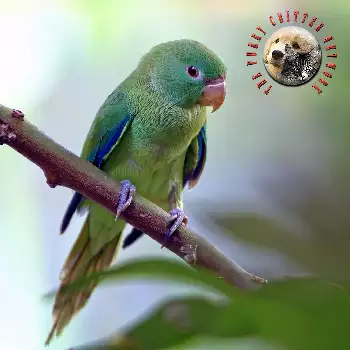

The Spectacled Parrotlet is listed under Appendix II of the Convention on International Trade in Endangered Species of Wild Fauna and Flora (CITES), the treaty framework that regulates cross-border trade in wildlife. Appendix II status means that while the species is not currently considered threatened with extinction, international commercial trade in wild-caught individuals is controlled through a system of export and import permits designed to ensure that trade does not jeopardize wild populations. Any shipment of Spectacled Parrotlets across international borders, whether wild-caught or captive-bred, must be accompanied by the appropriate CITES documentation issued by the exporting country's designated management authority.
For captive-bred Spectacled Parrotlets, the CITES permitting process is generally more streamlined than for wild-caught specimens. Breeding facilities registered with their national CITES authority can obtain permits to export captive-bred birds, provided they can document the captive origin of the stock. In practice, the overwhelming majority of Spectacled Parrotlets entering international trade today are captive-bred, and the infrastructure for issuing permits to established breeders is well developed in the major exporting countries. However, documentation requirements remain strict, and breeders and buyers should be prepared for processing times that can extend several weeks or longer.
The CITES framework is implemented at the national level, which means that the specific regulations governing the import and export of Spectacled Parrotlets vary from country to country. The United States enforces CITES through the Lacey Act and the Wild Bird Conservation Act, while the European Union applies the species through its own Wildlife Trade Regulations, which in some respects impose stricter requirements than CITES itself. Buyers and breeders operating across international borders must familiarize themselves with both the CITES requirements and the domestic legislation of all countries involved in a transaction.
Violations of CITES regulations carry serious legal consequences, including confiscation of birds, substantial fines, and in some jurisdictions criminal prosecution. Enforcement agencies in the United States, the European Union, and other major markets have become increasingly sophisticated in their ability to detect fraudulent documentation and illegal shipments. Prospective owners should view CITES compliance not as a bureaucratic inconvenience but as a fundamental component of responsible parrot acquisition, one that protects both wild populations and the integrity of the legal avicultural trade.