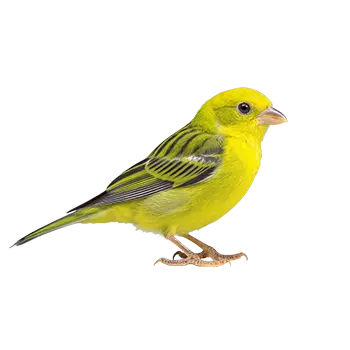

Any journey with a Spanish Timbrado Canary should begin well before departure day with a thorough veterinary assessment. An avian veterinarian can evaluate the bird's overall health, check for signs of respiratory infection, parasites, or nutritional deficiencies, and confirm that the canary is in suitable condition to withstand the physical demands of travel. Birds that are molting, recovering from illness, or showing signs of stress-related behavior such as feather plucking should not be transported unless absolutely necessary, as travel will exacerbate these conditions.
For international travel and many domestic journeys, a veterinary health certificate is a mandatory document. This certificate, typically issued within a specified window before departure, often 10 days or less, attests that the bird has been examined by a licensed veterinarian and found free of clinical signs of communicable disease. The specific content and format of the certificate may be dictated by the destination country's import regulations, and it is essential to obtain the correct form and ensure that it is completed in full. Some destinations require that the health certificate be endorsed by a national veterinary authority, such as the USDA's APHIS in the United States or the equivalent body in EU member states, adding an additional administrative step to the preparation process.
Vaccination and disease testing requirements vary by destination. While canaries are not routinely vaccinated against the diseases that require certification in parrots, some countries mandate testing for avian influenza, Newcastle disease, or psittacosis as a condition of entry. Breeders who travel regularly to competitions with their Timbrados should maintain an ongoing relationship with an avian veterinarian familiar with the specific requirements of their usual travel routes and destinations.
Beyond the formal documentation, a pre-travel veterinary visit is an opportunity to discuss practical aspects of the journey with a professional who understands avian physiology. Topics worth covering include appropriate feeding and hydration strategies during transit, the use of probiotics or electrolyte supplements to support the bird through the stress of travel, and the recognition of early warning signs that the canary is not tolerating the journey well. A bird that enters the travel period in optimal health and with a well-informed keeper is far more likely to arrive at its destination safely and in good condition.