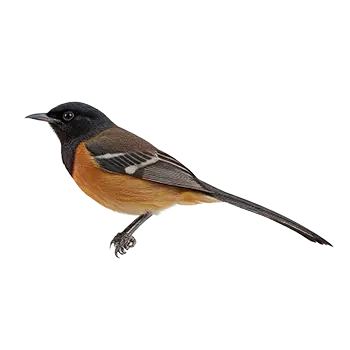

Transporting a Shama Thrush requires careful advance planning that begins weeks or even months before the intended travel date. The first and most critical step is confirming the legal requirements for both the origin and destination jurisdictions. Because the White-rumped Shama is subject to wildlife trade regulations in many countries, travelers must verify that their bird's documentation, including proof of captive origin, band numbers, and any required ownership permits, is complete and current. Failure to present adequate documentation at a checkpoint, border crossing, or airport can result in confiscation of the bird and legal consequences for the owner.
A veterinary health certificate is required for virtually all forms of regulated bird transport, whether domestic or international. This certificate must be issued by a licensed veterinarian, typically within a specified number of days before travel, and must attest that the bird is free of visible signs of disease and fit for transport. Some jurisdictions require additional testing, such as avian influenza screening or Psittacosis testing, and the specific tests required can vary by destination. Owners should contact both the originating and destination country's agricultural or veterinary inspection authorities well in advance to determine the exact requirements, as these can change with little notice in response to disease outbreaks or policy updates.
For international travel, CITES documentation may be required depending on the species' listing status and the countries involved. Even when the Shama Thrush is not subject to the most restrictive CITES controls, many countries require import permits, export permits, or both for the movement of non-native bird species across their borders. The application process for these permits can take weeks to complete, and applications submitted with incomplete information are routinely delayed or rejected. Owners should begin the permit process as early as possible and maintain copies of all submitted documents.
Beyond legal documentation, pre-travel planning should include a thorough assessment of the bird's health and temperament. Shama Thrushes that are currently molting, recovering from illness, or exhibiting signs of stress are poor candidates for transport, and veterinarians experienced with avian species will generally advise postponing travel until the bird is in stable condition. For birds that have never been transported before, a period of gradual acclimatization to the travel carrier, including short practice trips, can significantly reduce stress on the day of actual travel.