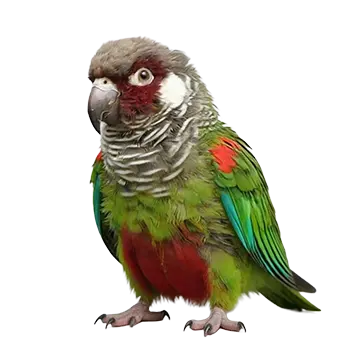

Australian Federal Wildlife Protections

The Scaly Breasted Parakeet, like all native Australian wildlife, is protected under the federal Environment Protection and Biodiversity Conservation Act 1999, commonly referred to as the EPBC Act. This legislation establishes the overarching legal framework for the conservation and management of Australia's native species and their habitats. Under the EPBC Act, it is an offense to kill, injure, take, trade, keep, or move any native animal, including the Scaly Breasted Parakeet, without appropriate authorization. The Act assigns enforcement responsibilities to the Australian Government Department of Climate Change, Energy, the Environment and Water, which oversees compliance at the federal level.

The EPBC Act classifies native species according to their conservation status, and species listed as threatened receive additional protections including recovery planning and habitat protection. The Scaly Breasted Parakeet is not currently listed as threatened under the EPBC Act, which means it does not trigger the Act's most stringent protective mechanisms. However, its status as a protected native species means that any commercial or private activity involving the bird must comply with the general provisions of the Act, including prohibitions on unauthorized taking from the wild and restrictions on interstate and international movement.

Federal law also governs the export of Australian native wildlife. The EPBC Act effectively prohibits the commercial export of native birds, continuing a policy direction that has been in place since the 1960s. Exceptions may be granted for scientific research, approved breeding programs, or other purposes deemed to be in the national interest, but such approvals are rare and subject to rigorous assessment. This export ban has been a defining feature of the legal landscape for all Australian parrot species and has shaped the availability of the Scaly Breasted Parakeet in international aviculture.

The interaction between federal and state law creates a dual regulatory framework that keepers must navigate. While the EPBC Act sets the baseline protections, it is generally the state and territory governments that issue licenses for the keeping and breeding of native birds within their jurisdictions. This means that compliance with federal law alone is insufficient; anyone wishing to keep a Scaly Breasted Parakeet in Australia must also satisfy the specific requirements of the state or territory in which they reside.

State & Territory Licensing Requirements

Each Australian state and territory administers its own wildlife licensing system, and the requirements for keeping a Scaly Breasted Parakeet vary considerably across jurisdictions. In Queensland, where the species is most common in the wild, native bird keeping is regulated under the Nature Conservation Act 1992 and its associated regulations. The Scaly Breasted Parakeet is classified as a common species and may be kept under a general wildlife license, which is available to residents who meet basic requirements related to housing, record keeping, and identification of birds. Queensland's licensing framework is relatively accessible, reflecting the species' abundance and the long tradition of aviculture in the state.

New South Wales manages native bird keeping through its Biodiversity Conservation Act 2016 and the associated Native Animal Keepers Licence system administered by the National Parks and Wildlife Service. The Scaly Breasted Parakeet falls within a category of species that can be kept on a basic class licence, the most accessible tier of the NSW licensing structure. Licence holders are required to maintain records of their birds, comply with housing standards, and report changes such as births, deaths, and transfers to the authorities. The NSW system emphasizes traceability, aiming to ensure that captive birds can be distinguished from wild-caught individuals.

In Victoria, the keeping of native birds is regulated by the Wildlife Act 1975 and managed by the Department of Energy, Environment and Climate Action. Victoria's licensing system categorizes species into tiers based on factors including rarity, difficulty of care, and potential impact on wild populations. The Scaly Breasted Parakeet is typically classified in a basic or intermediate category, depending on current regulatory schedules, and can be kept by licensed individuals who meet the prescribed standards. Victoria's regulations also address issues such as the sale and transfer of birds between licensed keepers and the requirements for reporting escapees.

Other states and territories, including South Australia, Western Australia, Tasmania, the Northern Territory, and the Australian Capital Territory, each maintain their own wildlife regulations and licensing frameworks. In some jurisdictions, the Scaly Breasted Parakeet may be classified differently depending on local considerations, and certain areas outside the species' natural range may impose additional conditions on keeping it to mitigate the risk of feral population establishment. Prospective keepers in any Australian jurisdiction should consult the relevant state or territory wildlife authority to confirm current licensing requirements, fees, and conditions before acquiring a Scaly Breasted Parakeet.

International Trade & CITES Framework

International trade in the Scaly Breasted Parakeet is governed by the Convention on International Trade in Endangered Species of Wild Fauna and Flora, known as CITES, to which Australia is a signatory. CITES regulates the cross-border movement of wildlife and wildlife products through a system of appendices that classify species according to the level of trade control required to prevent overexploitation. The Scaly Breasted Parakeet is not individually listed on any CITES appendix, but all parrots of the order Psittaciformes that are not listed on Appendix I are included in Appendix II, which means that international trade in the species requires export permits issued by the management authority of the exporting country.

In practice, Australia's domestic export ban under the EPBC Act means that legal export of Scaly Breasted Parakeets from Australia is extremely rare, regardless of the CITES framework. The international captive population of the species descends almost entirely from birds that were exported prior to the implementation of Australia's export restrictions. Countries importing Scaly Breasted Parakeets from non-Australian captive populations must still comply with CITES Appendix II requirements, including obtaining appropriate permits and ensuring that the trade does not threaten the survival of the species in the wild.

The European Union implements CITES through its own Wildlife Trade Regulations, which in some cases impose stricter controls than CITES itself requires. Importation of Scaly Breasted Parakeets into EU member states requires compliance with both the EU regulations and the CITES requirements of the exporting country. Breeders and traders within the EU must also comply with national legislation in their respective countries, which may impose additional registration, record-keeping, and marking requirements for captive-bred psittacines.

The United States regulates the importation of parrots through the Wild Bird Conservation Act of 1992, which effectively prohibits the import of most wild-caught parrots, including the Scaly Breasted Parakeet. Captive-bred birds may be imported under specific exemptions, provided that the breeder participates in an approved cooperative breeding program and that all CITES documentation is in order. The practical effect of these layered regulations is that the legal movement of Scaly Breasted Parakeets across international borders requires careful advance planning, thorough documentation, and compliance with the laws of both the exporting and importing jurisdictions.

Captive Breeding Regulations & Record Keeping

The captive breeding of Scaly Breasted Parakeets is subject to regulation in virtually every jurisdiction where the species is legally kept. In Australia, state and territory wildlife authorities typically require licensed breeders to maintain detailed records of their breeding stock, including the number and sex of birds held, the dates and outcomes of breeding attempts, the identification of individual birds through leg bands or microchips, and the details of any sales, transfers, or deaths. These record-keeping requirements serve multiple purposes, including preventing the laundering of wild-caught birds through avicultural channels, monitoring population trends in captive flocks, and supporting law enforcement investigations into illegal wildlife trade.

Banding and identification standards are a key component of captive breeding regulations. In Australia, most states require that captive-bred parrots, including Scaly Breasted Parakeets, be fitted with closed leg bands within the first weeks of life. These bands carry identifying information, typically including a unique number, the breeder's licence number, and the year of hatching, which allows individual birds to be traced through subsequent ownership changes. Some jurisdictions also accept or require microchip implantation as an alternative or supplementary identification method, particularly for birds that cannot be banded due to timing or physical limitations.

International breeders operating outside Australia face varying regulatory environments depending on their country of residence. In the United Kingdom, captive breeding of parrots is subject to the Wildlife and Countryside Act 1981 and the CITES regulations implemented through EU-derived legislation. German breeders must comply with the Federal Nature Conservation Act and register their birds with the relevant state authority. In the Netherlands, one of the strongest markets for captive-bred lorikeets in Europe, the Flora and Fauna Act and its successors establish requirements for registration, marking, and record keeping that apply to all psittacine species.

The regulatory framework surrounding captive breeding is designed not only to protect wild populations from illegal collection but also to promote responsible avicultural practices. Compliance with breeding regulations, while sometimes burdensome in its administrative requirements, provides a layer of assurance that captive birds have been produced legally and ethically. Prospective breeders of Scaly Breasted Parakeets are advised to familiarize themselves thoroughly with the applicable regulations in their jurisdiction before establishing a breeding program, and to maintain meticulous records that can be produced for inspection if required by the authorities.

Import & Export Requirements for Companion Birds

The movement of Scaly Breasted Parakeets across international borders, whether for permanent relocation, sale, or exhibition, involves a complex web of import and export requirements that extend well beyond the CITES framework. Quarantine and biosecurity regulations represent a significant additional layer of control, particularly for countries such as Australia, New Zealand, and the United States, which maintain strict border biosecurity programs aimed at preventing the introduction of exotic diseases. Australia's Department of Agriculture, Fisheries and Forestry administers a rigorous import quarantine regime that applies to all live birds entering the country, and the process typically involves pre-export testing, post-arrival isolation, and veterinary inspection.

For Scaly Breasted Parakeets leaving Australia, the export process requires a permit under the EPBC Act, which is issued only in exceptional circumstances. Applicants must demonstrate that the export serves a conservation, scientific, or other approved purpose, and the application is subject to assessment by the Department of Climate Change, Energy, the Environment and Water. Even when export approval is granted, the birds must meet the health certification and quarantine requirements of the destination country, which can involve a series of veterinary tests for diseases including avian influenza, psittacosis, and psittacine beak and feather disease.

Countries receiving Scaly Breasted Parakeets from international sources typically require an import permit, a veterinary health certificate issued by an accredited veterinarian in the exporting country, and proof that the birds were legally acquired and bred. The European Union's animal health regulations, the United States' import requirements administered by the US Fish and Wildlife Service and the USDA Animal and Plant Health Inspection Service, and the import protocols of individual countries each impose specific documentation and procedural requirements that must be satisfied before the birds can clear customs and enter the destination country.

The practical effect of these overlapping requirements is that international movement of Scaly Breasted Parakeets demands significant advance planning, often measured in months rather than weeks. Prospective importers and exporters must coordinate between multiple government agencies, engage accredited veterinarians, secure appropriate transport arrangements, and ensure that all documentation is complete and correct before the birds are shipped. Errors or omissions in paperwork can result in delays, confiscation of birds at the border, or legal penalties. Given this complexity, many keepers and breeders who need to move Scaly Breasted Parakeets internationally choose to work with specialist animal transport companies or customs brokers who have experience navigating the regulatory requirements.

Enforcement, Penalties & Compliance

Enforcement of wildlife regulations pertaining to the Scaly Breasted Parakeet is carried out by a range of authorities at the federal, state, and local levels in Australia, and by designated agencies in other countries where the species is kept. In Australia, federal enforcement falls primarily to officers of the Department of Climate Change, Energy, the Environment and Water, who have powers under the EPBC Act to investigate suspected offenses, conduct inspections, and prosecute violations. State and territory wildlife agencies exercise complementary enforcement powers under their respective legislation, and in practice, most regulatory interactions involving captive Scaly Breasted Parakeets occur at the state level through licence inspections, record audits, and responses to complaints.

Penalties for violations of wildlife regulations in Australia can be substantial. Under the EPBC Act, offenses related to the unauthorized taking, keeping, or trading of native wildlife can attract fines of tens of thousands of dollars for individuals and significantly more for corporations. State legislation provides for similar penalties, and serious offenses, such as the commercial trafficking of wild-caught parrots or the falsification of breeding records, may result in criminal prosecution, imprisonment, and the confiscation of birds and equipment. These penalties reflect the seriousness with which Australian law treats wildlife offenses and serve as a deterrent against illegal activity.

Internationally, enforcement of CITES regulations and national wildlife laws varies in effectiveness. Countries with well-resourced enforcement agencies, such as the United States, the United Kingdom, and EU member states, maintain dedicated wildlife crime units and border inspection programs that detect and prosecute illegal trade in parrots and other protected species. In regions with less robust enforcement infrastructure, the risk of illegal trade, including the smuggling of wild-caught Australian parrots, may be higher, though the overall volume of illegal Scaly Breasted Parakeet trade is believed to be low relative to more commercially valuable psittacine species.

Compliance with the legal framework governing Scaly Breasted Parakeet ownership is ultimately the responsibility of individual keepers, breeders, and traders. Staying informed about current regulations, maintaining accurate records, ensuring that all birds are properly identified and documented, and seeking guidance from the relevant authorities when uncertain about legal requirements are all essential elements of responsible ownership. Avicultural societies and bird clubs can also serve as valuable resources for keepers navigating the regulatory landscape, offering advice, advocacy, and connections to experienced members of the avicultural community who can help newcomers understand and meet their legal obligations.

Always consult a qualified professional before making any health-related decisions. This content is provided for informational reference only and should not replace professional guidance specific to your animal.