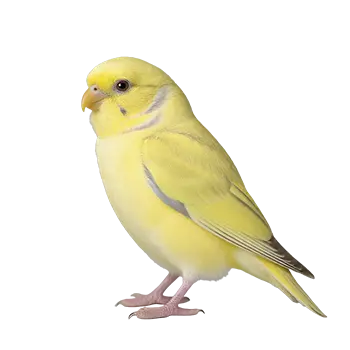

Preparing Your Roller Canary for Travel

Successful travel with a Roller Canary begins well before the day of departure. Canaries are creatures of routine, and sudden changes to their environment can cause stress that manifests as feather fluffing, loss of appetite, silence, or agitated behavior. Conditioning a Roller Canary for travel involves gradually acclimating the bird to the travel carrier, the sounds and vibrations of vehicle travel, and the experience of being handled and moved in ways that differ from its daily routine.

The first step in preparation is selecting and introducing an appropriate travel carrier. Small, well-ventilated cages or purpose-built bird transport boxes are available from avicultural suppliers and are preferable to makeshift containers. The carrier should be large enough for the bird to perch comfortably but small enough to restrict excessive movement that could lead to injury during transit. A single perch positioned low in the carrier is ideal, as it reduces the risk of the bird being thrown from a high perch during sudden stops or turbulence.

Introducing the carrier several days or even weeks before the planned trip allows the bird to investigate and become comfortable with the enclosure in a low-stress setting. Placing the carrier near the bird's regular cage, with the door open and a treat or favorite food inside, encourages the bird to enter voluntarily and begin associating the carrier with positive experiences rather than alarm. Short practice sessions in which the bird is placed in the carrier for increasing periods, initially without any travel, help build tolerance and reduce anxiety on the actual travel day.

Dietary preparation is also important. In the days leading up to travel, ensuring that the bird is in optimal health and well nourished provides a buffer against the minor stresses of the journey. A health check with an avian veterinarian is advisable, particularly for long trips, competitions, or any travel that will involve crossing borders where health certification may be required. The veterinarian can also advise on whether any specific precautions are warranted based on the bird's age, health status, and the nature of the planned travel.

Finally, assembling a travel kit that includes adequate food, water, a small water dispenser that will not spill during transit, a lightweight cage cover for managing light exposure, and any medications the bird may need ensures that the keeper is fully equipped to address the bird's needs throughout the journey. Preparation is the single most important factor in ensuring a safe and low-stress travel experience for both the Roller Canary and its owner.

Car Travel with Roller Canaries

Automobile travel is by far the most common mode of transport for Roller Canaries, whether the destination is a local veterinary clinic, a breeder across town, or a song competition several hours away. The car offers the significant advantage of a controlled environment in which the keeper can manage temperature, noise levels, and travel duration in real time. With proper precautions, most Roller Canaries tolerate car travel well and arrive at their destination in good condition.

Temperature management is the most critical safety consideration during car travel with any small bird. Canaries are sensitive to both heat and cold, and the interior of a vehicle can experience rapid temperature swings that are dangerous for a small-bodied bird. In warm weather, the car should be cooled before the bird is placed inside, and the carrier should never be positioned in direct sunlight or left in a parked vehicle, even for brief periods. In cold weather, the car should be warmed in advance, and the carrier can be partially covered with a light cloth to help retain heat without restricting airflow.

Placement of the carrier within the vehicle matters more than many owners realize. The carrier should be positioned on a flat, stable surface where it will not slide, tip, or be struck by shifting cargo during braking or turns. The floor behind the front seats or a seat secured with a seatbelt threaded through the carrier's handle are common and effective placements. Placing the carrier on a passenger seat without securing it risks the carrier sliding off the seat during sudden stops, potentially injuring the bird.

Noise and vibration can be sources of stress for a traveling Roller Canary. While canaries are generally more tolerant of ambient noise than some other bird species, loud music, sudden engine revving, and the slamming of doors should be minimized. Smooth, steady driving with gradual acceleration and braking reduces vibration and jolting. Many experienced Roller Canary owners report that their birds settle quickly after the initial few minutes of a car journey and may even begin to sing during longer drives, a sign that the bird is reasonably comfortable.

For longer car journeys exceeding two or three hours, periodic stops to check on the bird, offer water, and assess its condition are advisable. The bird should not be released from the carrier during these stops, as an open car door presents an immediate escape risk. Instead, the keeper can visually inspect the bird, top up the water dispenser, and offer a small amount of fresh food through the carrier door. These brief check-ins provide reassurance to both bird and owner and help ensure that any problems are identified before they become serious.

Air Travel & Shipping Considerations

Air travel with a Roller Canary is considerably more complex than car travel and requires advance planning, familiarity with airline policies, and compliance with both transportation and destination-specific regulations. Airlines vary widely in their policies regarding the carriage of live birds, and these policies can change with little notice, making it essential to confirm the current rules with the specific carrier well before the travel date.

Some airlines permit small birds to travel in the cabin as carry-on if the bird is in an approved carrier that fits under the seat. This option, where available, is generally preferable for the bird's welfare because it keeps the animal in a temperature-controlled, pressurized environment and allows the owner to monitor its condition throughout the flight. However, many airlines do not permit birds in the cabin at all, and those that do typically charge a pet fee and limit the number of animals per flight. Booking well in advance and confirming the airline's pet policy in writing are strongly recommended.

When cabin carriage is not available, the alternative is cargo transport. Live animals shipped as cargo travel in a pressurized and temperature-controlled section of the aircraft's hold, but conditions can still be stressful due to noise, pressure changes, handling during loading and unloading, and potential delays on the tarmac. Breeders who routinely ship Roller Canaries by air cargo use sturdy, IATA-compliant shipping containers designed for small birds, with secure water dispensers, adequate ventilation, and absorbent bedding. These containers are labeled with live animal stickers and handling instructions to alert ground crews.

Seasonal restrictions on live animal shipments are common and particularly relevant for canary transport. Many airlines and freight carriers impose embargoes on live animal shipments during extreme weather, typically in the peak of summer and the depth of winter, when ground temperatures at origin, transfer, or destination airports exceed or fall below safe thresholds for animal transport. These embargoes can last for weeks and can disrupt breeding and competition schedules, so planning around seasonal weather patterns is an important logistical consideration.

For international air transport, the regulatory requirements discussed in the legal section of this content area apply in full. Health certificates, import permits, quarantine arrangements, and customs declarations must all be in order before the bird departs, and the documentation requirements can differ significantly depending on the origin and destination countries. Breeders who ship birds internationally on a regular basis often develop relationships with specialized animal transport agents who handle the paperwork and logistics, reducing the risk of costly errors or delays.

Traveling to Song Competitions & Shows

For many Roller Canary breeders, the most frequent reason for traveling with their birds is attendance at song competitions and avicultural shows. The competition circuit, which typically runs from late autumn through winter in the Northern Hemisphere, may involve multiple trips of varying length over a period of several months. Experienced show breeders develop travel routines that minimize stress on their birds and maximize the likelihood of peak vocal performance at the competition venue.

Transporting birds to a song competition differs from ordinary travel in several important respects. Competition birds are typically transported in teams of four, the standard group size for Roller Canary song judging, and all four birds must arrive at the venue in good health and vocal condition. Breeders often use specially designed show cages or transport boxes that hold multiple birds in individual compartments, keeping the team together while preventing physical contact that could lead to feather damage or aggression.

The timing and logistics of competition travel require careful planning. Most competitions require birds to be delivered to the show venue the day before judging begins, allowing the birds time to acclimate to the judging room's acoustics, temperature, and ambient noise. Breeders factor this acclimation period into their travel plans and aim to deliver birds early enough in the day for the birds to settle, eat, drink, and rest before the following morning's judging session. Arriving late or rushing the acclimation process can result in suboptimal singing performance.

Post-competition transport requires equal attention. Birds that have spent several days at a show venue in unfamiliar surroundings, surrounded by the sounds of hundreds of other birds, may be tired, stressed, or slightly underweight upon collection. A calm, unhurried return journey with stable temperatures and minimal disturbance helps the birds recover. Many breeders quarantine returning show birds for a short period upon arrival home, keeping them separate from the rest of the flock as a precaution against any disease exposure that may have occurred at the show.

The social dimension of competition travel should not be overlooked. Show weekends bring together breeders from across a region or country, and the travel experience itself, caravanning with fellow club members, sharing meals and accommodations, and exchanging breeding notes during long drives, is an important part of the community culture that sustains the Roller Canary tradition. For many breeders, the journey to the show is as valued as the competition itself.

Temporary Housing & Destination Care

Providing appropriate temporary housing for a Roller Canary at the travel destination is essential for the bird's welfare and, in the case of competition birds, for optimal vocal performance. Whether the destination is a hotel room, a friend's home, a competition hall, or a new permanent residence, the principles of temporary housing remain consistent: minimize stress, maintain familiar routines as closely as possible, and ensure that the bird's basic needs for food, water, warmth, and rest are met.

When staying at hotels or other accommodations with a Roller Canary, the keeper should confirm in advance that the establishment permits pets and specifically birds. Many hotels have pet-friendly policies that are oriented toward dogs and cats and may not extend to avian guests. Bringing the bird's own cage or a portable setup that replicates the dimensions and furnishings of its home cage helps maintain a sense of familiarity. Positioning the cage away from drafts, direct sunlight, and noisy air conditioning units protects the bird from environmental stressors.

At competition venues, show organizers typically provide standardized judging cages and a designated show room where birds are held before, during, and after judging. Breeders transfer their birds from transport containers into the show cages upon arrival, ensuring that each bird has access to food and water. The show room is usually maintained at a stable temperature with subdued lighting to encourage calm behavior and singing. Experienced breeders familiarize themselves with the venue's layout and conditions in advance, adjusting their birds' preparation accordingly.

For permanent relocations, such as when a bird is sold to a new owner in a distant city or when an owner moves to a new home, the transition period requires particular care. A Roller Canary moved to a completely new environment may take several days to a week to settle in fully, during which time it may eat less, sing less, and display signs of unease. Providing the same brand of seed mix, the same type of perch, and even a familiar cage cover can ease the transition. Gradual introduction to the new environment, starting with the bird in a quiet room and slowly increasing its exposure to household activity, is preferable to immediate immersion in a busy or unfamiliar setting.

Water quality is a detail that deserves specific mention in the context of temporary housing and destination care. Canaries can be sensitive to changes in water chemistry, and municipal water supplies vary significantly in mineral content, chlorination levels, and pH from one location to another. Breeders traveling to competitions or relocating birds often bring a supply of water from home for the first day or two, transitioning gradually to local water to avoid digestive upset. Bottled spring water is a convenient alternative when carrying home water is impractical.

Emergency Preparedness & Contingency Planning

No amount of preparation can eliminate the possibility of unexpected events during travel with a Roller Canary, and responsible bird keepers develop contingency plans that address the most common emergencies. Vehicle breakdowns, flight cancellations, extreme weather, and sudden illness in the bird are among the scenarios that a well-prepared traveler should consider before setting out.

A travel emergency kit for a Roller Canary should include basic first aid supplies appropriate for small birds, such as styptic powder for minor bleeding, a small towel for gentle restraint, and a contact list that includes the numbers of avian veterinarians along the planned route and at the destination. Many avian veterinary practices maintain emergency or after-hours services, and identifying these resources in advance can save critical time if a problem arises during transit.

Extreme weather is one of the most dangerous scenarios for a traveling Roller Canary. If a vehicle breaks down or is delayed in traffic during very hot or very cold conditions, the bird's life can be at risk within a relatively short time. In hot weather, cracking windows, using battery-powered fans, and draping a damp cloth over the carrier can help manage heat. In cold weather, wrapping the carrier in insulating material and keeping the bird close to the keeper's body heat can provide short-term protection. The single most important rule is never to leave a bird unattended in a parked vehicle, regardless of the season or the expected duration of the stop.

Flight cancellations and layover delays pose particular challenges for birds traveling by air. If a connecting flight is canceled and the bird is in cargo, the keeper may have limited ability to access the animal until it is released by the airline. Booking direct flights whenever possible, avoiding tight connections, and choosing travel days and times with lower cancellation risk, typically midweek and outside holiday periods, reduce the likelihood of these disruptions. When disruptions do occur, contacting the airline's live animal handling desk immediately and requesting that the bird be moved to a climate-controlled holding area is the highest priority.

Contingency planning also extends to documentation. Carrying copies of the bird's health certificate, band number, ownership records, and any import or export permits in both physical and digital form ensures that documentation can be produced even if one copy is lost or damaged. For international travel, having the contact information of the destination country's veterinary or agricultural authority readily available can expedite resolution of border or customs issues that might otherwise strand a bird in transit for an extended period.

Always consult a qualified professional before making any health-related decisions. This content is provided for informational reference only and should not replace professional guidance specific to your animal.