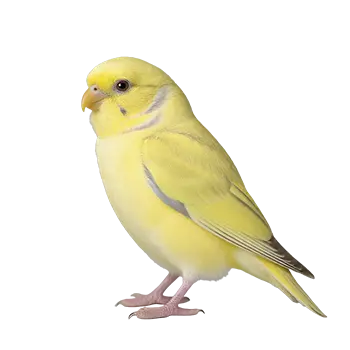

The canary has occupied a distinctive place in European literature since at least the 18th century, and the Roller Canary's association with the Harz Mountains has given it a particular literary identity tied to themes of craft, tradition, and the relationship between humans and the natural world. German Romantic writers, who frequently drew on the landscapes and folklore of the Harz region, occasionally referenced canary breeding as an example of the intimate bond between rural communities and the creatures they tended. The image of the singing canary recurred in poetry and prose as a symbol of beauty achieved through patient cultivation.
In English-language literature, the canary appears most frequently as a domestic symbol. Victorian and Edwardian novels are populated with parlor canaries whose presence signals respectability, domesticity, or, in more subversive treatments, the constraints of bourgeois life. While these literary canaries are not always identified by breed, the Roller Canary's dominance of the Victorian pet market means that many of these fictional birds would have been understood by contemporary readers as Rollers or birds closely related to them. The singing canary in its ornate cage became a fixture of the literary drawing room, a detail that writers deployed to establish setting, mood, and social class.
The metaphorical use of the canary in literature extends beyond domesticity into darker territory. The concept of the canary in a coal mine, rooted in the Harz Mountain tradition that gave rise to the Roller breed, has been invoked by writers ranging from essayists to novelists as a shorthand for vulnerability, prescience, and the cost of serving as a sentinel. This metaphor has proven remarkably durable, appearing in works that address environmental degradation, political repression, and social injustice, often without explicit reference to the bird's avicultural origins.
Contemporary nature writing and literary nonfiction have also engaged with the Roller Canary's story. Authors exploring the history of human relationships with animals have found in the Harz Roller a compelling case study, a breed shaped entirely by human aesthetic preferences over hundreds of years. The Roller Canary's history raises questions about the nature of beauty, the ethics of selective breeding, and the ways in which human desire reshapes the living world, themes that continue to attract writers working at the intersection of science, history, and narrative.