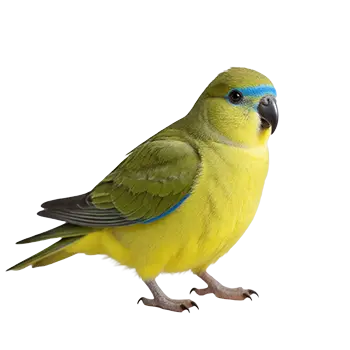

The Rock Parrot, like all native Australian birds, is protected under the Environment Protection and Biodiversity Conservation Act 1999 (EPBC Act), the primary piece of Commonwealth legislation governing wildlife conservation in Australia. The EPBC Act establishes the legal framework for the protection of native species, the regulation of international trade in wildlife, and the assessment of actions that may have a significant impact on matters of national environmental significance. Under this legislation, it is an offense to take, trade, keep, or move a native species in a manner that contravenes the Act or its associated regulations without appropriate authorization.
The EPBC Act classifies species according to their conservation status, with categories ranging from Least Concern through to Critically Endangered and Extinct. The Rock Parrot is not currently listed as threatened under the EPBC Act, which means it does not receive the additional protections afforded to species classified as Vulnerable, Endangered, or Critically Endangered. However, its status as a native species guarantees baseline protection against unauthorized taking from the wild, habitat destruction on Commonwealth land, and international trade without permits.
The Act also implements Australia's obligations under the Convention on International Trade in Endangered Species of Wild Fauna and Flora (CITES), which governs the cross-border movement of wildlife and wildlife products. Because all Australian parrots are listed under CITES, the federal framework applies specifically to any attempt to export or import Rock Parrots, whether as live birds, eggs, feathers, or specimens. The intersection of the EPBC Act and CITES creates a dual layer of regulation that effectively prohibits the international movement of Rock Parrots without prior approval from the Commonwealth Department of Climate Change, Energy, the Environment and Water.
Penalties for violations of the EPBC Act can be substantial, including significant fines and imprisonment for individuals found to have illegally taken, traded, or harmed protected native wildlife. Enforcement is carried out by Commonwealth environmental officers in coordination with state and territory wildlife agencies, customs authorities, and police. The severity of penalties reflects the Australian government's longstanding commitment to protecting its unique fauna, a commitment that extends to relatively common species like the Rock Parrot as well as to those on the brink of extinction.