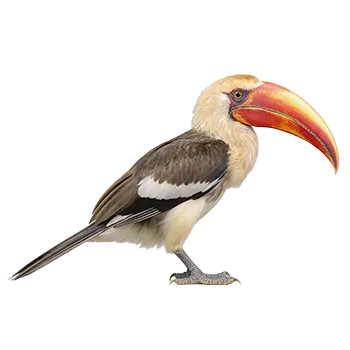

Top Destinations for Wild Observation

The Red-Billed Hornbill is one of the most widely distributed hornbill species in Africa, and finding it in the wild is achievable across a broad range of destinations stretching from the Sahel to the southern savannas. East Africa offers some of the most accessible and rewarding viewing opportunities. In Kenya, the species is a common resident of dry woodland and bushland habitats, and visitors to parks such as Tsavo East, Samburu, and the Maasai Mara frequently encounter it perching on acacia branches, hopping along the ground in search of insects, or flying between feeding sites with its distinctive undulating wingbeats. Tanzania's Serengeti and Tarangire National Parks are equally productive, with the hornbill forming part of the rich tapestry of birdlife that accompanies the region's famous mammal populations.

Southern Africa provides another stronghold for the species. In South Africa, the Kruger National Park and surrounding private conservancies support healthy populations, and the bird is a familiar sight at rest camps, picnic sites, and along roadsides within the park. Botswana's Chobe National Park and the Okavango Delta periphery offer additional opportunities, while Namibia's Etosha National Park, with its mix of dry woodland and open pans, is considered one of the premier locations on the continent for close-range hornbill observation. The species' tolerance of vehicles and human presence in these protected areas makes it an exceptionally cooperative subject for both casual observers and dedicated birders.

West Africa, though less frequently visited by international birding tourists, also supports Red-Billed Hornbill populations. The dry savannas of Senegal, The Gambia, Burkina Faso, and northern Ghana all host the species, and birding tours focused on West African endemics and specialties routinely log it as part of the regional avifauna. The Gambia, in particular, has developed a reputation as an accessible and affordable birding destination, and the Red-Billed Hornbill is among the species that visiting birders can expect to encounter without difficulty.

Timing matters when planning a trip specifically to observe Red-Billed Hornbills. The species is resident and non-migratory throughout its range, meaning it can be found year-round in suitable habitat. However, the breeding season, which generally coincides with the early part of the rainy season in any given region, offers the best opportunities to observe nesting behavior, including the dramatic process of the female sealing herself into a tree cavity. In East Africa, this typically occurs between October and March, while in southern Africa the peak breeding period runs from September through February. Visiting during these months increases the chances of witnessing one of the most remarkable reproductive strategies in the bird world.

Birding Safaris & Tour Planning

For birders seeking the Red-Billed Hornbill as part of a broader African birding itinerary, the species is best approached as one element of a savanna and dry-woodland bird community that includes dozens of other compelling species. Specialized birding tour operators with experience in East and Southern Africa typically include hornbill-rich habitats in their itineraries, and a well-planned birding safari can produce sightings of multiple hornbill species, including the closely related Von der Decken's Hornbill, the Southern Yellow-Billed Hornbill, and, in appropriate habitats, the much larger Southern Ground Hornbill.

Selecting a tour operator with strong local guide networks is one of the most important decisions a traveling birder can make. Local guides who know the specific territories, perching sites, and nesting trees of individual hornbill pairs can dramatically increase the quality of observation and photography opportunities. Many East African lodges and camps employ resident naturalists who maintain long-term knowledge of the birdlife in their immediate area, and these guides can often locate Red-Billed Hornbills within minutes of departure from camp. The investment in a knowledgeable local guide typically pays dividends not only in species spotted but in the depth of ecological understanding that accompanies each sighting.

Self-drive safaris are a viable alternative in countries with well-maintained park road networks, particularly South Africa, Namibia, and Botswana. The Red-Billed Hornbill's habit of perching conspicuously on low branches and fence posts along roadsides makes it one of the more easily detected species for drivers scanning the bush. In Kruger National Park, for example, the bird is so frequently seen along tarred and gravel roads that experienced visitors come to regard it as a constant companion of the driving experience. Binoculars and a basic field guide to the region's birds are sufficient equipment for identifying the species, though a telephoto lens is recommended for photographers seeking detailed images.

Accommodation options in hornbill habitat range from luxury lodges and tented camps to budget-friendly rest camps and campsites. In East Africa, the full spectrum is available, from exclusive private conservancies charging several hundred dollars per night to basic national park campsites at a fraction of the cost. Southern African destinations offer similar range, with South Africa's national park rest camps providing particularly good value for birders who prioritize field time over luxury. Regardless of accommodation level, early-morning and late-afternoon game drives or walks offer the best birding conditions, as the Red-Billed Hornbill, like most savanna birds, is most active during the cooler hours of the day.

Photography & Field Equipment

Photographing the Red-Billed Hornbill in the wild is one of the more accessible challenges in African bird photography, thanks to the species' relative tameness and its preference for open, well-lit habitats. A telephoto lens in the 200 to 400 millimeter range is generally sufficient for frame-filling images from a vehicle, and the bird's habit of sitting still on exposed perches for extended periods provides ample time for composition and exposure adjustment. Photographers working from hides or on foot may benefit from longer focal lengths, but the species' tolerance of close approach means that extreme telephoto equipment is rarely necessary.

Lighting in savanna environments tends to be harsh during the midday hours, with strong overhead sun creating deep shadows under the bill and around the eye. The best photographic light occurs during the golden hours shortly after sunrise and before sunset, when warm, low-angle illumination brings out the subtle tones of the bird's plumage and the vivid red of its bill. Overcast conditions, common during the early rainy season, can also produce excellent results by eliminating harsh shadows and providing even, diffused light across the subject.

Beyond camera equipment, a few additional items enhance the field experience. Quality binoculars, ideally in the 8x42 or 10x42 range, are essential for locating and identifying birds at a distance before moving in for photographs or closer observation. A reliable field guide to the birds of the specific region being visited helps distinguish the Red-Billed Hornbill from similar species and provides context about its behavior and calls. Recording the bird's vocalizations with a smartphone or dedicated recorder can add another dimension to the experience and assist with identification of related species whose calls may initially sound similar.

Practical considerations for field equipment in African conditions include dust protection for lenses and camera bodies, adequate battery supply for long days away from power sources, and sufficient memory card capacity for high-volume shooting. The savanna environment can be surprisingly demanding on photographic equipment, with fine dust infiltrating gear bags, temperature extremes stressing batteries, and unpaved roads subjecting equipment to constant vibration. A padded, dust-resistant camera bag and a basic cleaning kit are worthwhile investments for any photographer spending time in hornbill country.

Transporting Captive Hornbills

Transporting a captive Red-Billed Hornbill, whether for a veterinary visit, a relocation between facilities, or an interstate or international transfer, requires careful planning and attention to the bird's physical and psychological well-being. Hornbills are not as commonly transported as parrots or poultry, and standard avian shipping protocols may need to be adapted to accommodate the species' specific anatomy, particularly its elongated bill, which is vulnerable to injury in a confined space.

The transport container is the single most important piece of equipment in any hornbill move. It must be large enough for the bird to stand, turn, and extend its bill without contacting the walls or ceiling, but small enough to prevent the bird from gaining momentum and injuring itself during sudden movements. Commercially available bird transport crates designed for medium-sized parrots can serve as a starting point, but most will require modification to provide adequate headroom for the hornbill's upright stance and bill clearance. Ventilation openings should be positioned to allow airflow without creating drafts directly on the bird, and the interior should be lined with a non-slip surface to prevent the bird's feet from sliding.

Temperature management during transport is critical. The Red-Billed Hornbill is adapted to warm, dry environments and is sensitive to cold stress, particularly during prolonged exposure. Ground transport in temperate climates should include provision for supplemental heat in cold weather, and air transport must account for the temperature fluctuations that can occur in cargo holds. Most airlines that accept live animal shipments require that the shipper provide a health certificate from a licensed veterinarian, confirm that the species is legal to transport across the relevant jurisdictions, and use an airline-approved transport container that meets International Air Transport Association Live Animals Regulations specifications.

Stress reduction during transport should be a primary concern. Covering the transport crate with a breathable cloth to darken the interior can help calm the bird, and minimizing noise and vibration during the journey reduces physiological stress. The bird should be offered water before, during, and after transport, using a small, securely attached dish or a water-soaked piece of fruit to prevent dehydration. Food should be withheld for a short period before transport to reduce the risk of soiling, but the fasting period should be kept brief given the hornbill's relatively high metabolic rate. Upon arrival at the destination, the bird should be given time to acclimate in a quiet, warm, and familiar-feeling environment before being released into its permanent enclosure.

Veterinary & Health Preparations for Travel

Any transport of a captive Red-Billed Hornbill should be preceded by a thorough veterinary examination to confirm that the bird is in suitable health for the journey. A pre-travel health check typically includes a physical examination, assessment of body condition and weight, and, depending on the destination and purpose of the move, diagnostic testing for avian diseases of regulatory concern. Common tests include screening for avian influenza, psittacosis (caused by Chlamydia psittaci), and Newcastle disease, all of which may be required by the importing jurisdiction's veterinary authorities.

Health certificates are a near-universal requirement for the legal transport of live birds across state or national borders. In the United States, the USDA's Animal and Plant Health Inspection Service issues health certificates for interstate and international movement of birds, and the certificate must be issued within a specified number of days before the date of transport. The European Union and the United Kingdom have their own health certification requirements, and these may include additional testing or quarantine obligations. Obtaining the correct documentation well in advance of the planned travel date is essential, as last-minute veterinary or bureaucratic delays can derail carefully planned transport schedules.

Quarantine requirements vary by destination and can significantly affect travel planning. Australia and New Zealand impose lengthy quarantine periods on all imported birds, and the Red-Billed Hornbill, as a species not on Australia's approved import list, would face additional regulatory barriers beyond quarantine. Even within regions where quarantine is shorter or waived for captive-bred birds with complete documentation, keepers should be prepared for the possibility that arriving birds will be held in a government-approved quarantine facility for a period following import. The costs and logistics of quarantine should be factored into the overall transport plan from the outset.

Keepers transporting Red-Billed Hornbills should also prepare a basic travel health kit that includes styptic powder for minor bleeding, a broad-spectrum avian-safe antiseptic, electrolyte supplement powder for rehydration, and contact information for avian veterinarians along the transport route and at the destination. Having a veterinary point of contact available in case of an in-transit emergency can make the difference between a manageable incident and a serious welfare situation. The goal of pre-travel veterinary preparation is to anticipate and prevent problems before they arise, ensuring that the bird arrives at its destination in the best possible condition.

Ethical Wildlife Tourism & Responsible Observation

The growing popularity of wildlife tourism in Africa has created both opportunities and responsibilities for travelers seeking to observe species like the Red-Billed Hornbill in their natural habitat. Ethical wildlife tourism prioritizes the welfare of the animals being observed, the ecological integrity of the habitats in which they live, and the economic and social well-being of the local communities that host tourism operations. For birders and safari-goers, practicing responsible observation means minimizing disturbance, following park rules, and supporting operators whose practices align with conservation objectives.

Minimizing disturbance to wildlife begins with basic field etiquette. When observing Red-Billed Hornbills, whether from a vehicle, a hide, or on foot, maintaining an appropriate distance is fundamental. While the species is generally tolerant of human presence, individual birds may be more wary during the breeding season, particularly when nesting. Approaching too closely to a nest tree can cause the female to delay her emergence or can disrupt the male's feeding routine, with potentially serious consequences for nestling survival. Observers should use binoculars and telephoto lenses rather than closing distance to achieve better views, and should be prepared to withdraw if the bird shows signs of agitation.

Supporting conservation-oriented tourism operators is one of the most impactful choices a traveler can make. Lodges and tour companies that invest in habitat protection, employ local guides and staff, and contribute to community development programs generate tangible benefits for both wildlife and people. Many of the reserves and conservancies where Red-Billed Hornbills are most easily observed depend on tourism revenue for their financial sustainability, and choosing to visit these areas directly supports the land-use model that makes their protection possible. Travelers can research operators' conservation credentials before booking and can prioritize those with transparent environmental and social commitments.

The broader principle underlying ethical wildlife tourism is that observation should leave no lasting trace on the landscape or the animals within it. This means staying on designated roads and trails, refraining from feeding wildlife, disposing of waste responsibly, and respecting the guidelines set by park authorities and lodge managers. For the Red-Billed Hornbill and the savanna communities it inhabits, tourism that is conducted thoughtfully and sustainably represents a genuine conservation tool, channeling economic value toward the preservation of the habitats and ecological processes on which the species depends. Travelers who approach their birding trips with this mindset contribute not only to their own enrichment but to the long-term future of the wildlife they have come to see.

Always consult a qualified professional before making any health-related decisions. This content is provided for informational reference only and should not replace professional guidance specific to your animal.