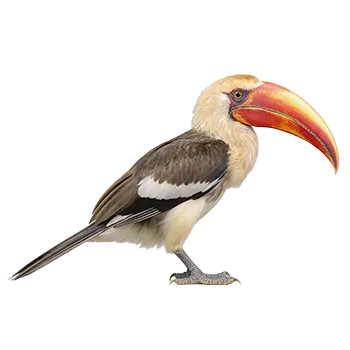

International Trade Regulations & CITES

The international trade in wild birds is governed primarily by the Convention on International Trade in Endangered Species of Wild Fauna and Flora, commonly known as CITES. This multilateral treaty, which entered into force in 1975, establishes a framework of permits and controls designed to ensure that international trade does not threaten the survival of listed species. The Red-Billed Hornbill (Tockus erythrorhynchus) is not currently listed on any of the three CITES appendices, which means that its international trade is not subject to the permit requirements imposed on species listed under Appendix I, II, or III.

The absence of a CITES listing does not, however, mean that trade in Red-Billed Hornbills is entirely unregulated at the international level. Many countries that are party to CITES have enacted domestic legislation that extends protections beyond the scope of the convention itself, and these national laws may impose their own restrictions on the import, export, and possession of non-CITES-listed wildlife. Furthermore, the European Union's Wildlife Trade Regulations, which implement CITES within the EU, include additional provisions that can affect the importation of bird species regardless of their CITES status.

It is also worth noting that CITES listings are subject to periodic review and amendment. As new data on population trends, habitat loss, and trade volumes become available, species can be added to or removed from the appendices at meetings of the Conference of the Parties, held approximately every three years. Given the growing body of evidence suggesting climate-driven population declines in parts of the Red-Billed Hornbill's range, future listing proposals cannot be ruled out, particularly if trade pressures increase or if range states advocate for additional protections.

Prospective keepers and breeders should be aware that even in the absence of a CITES listing, the import of Red-Billed Hornbills into many countries requires compliance with veterinary health certificates, quarantine protocols, and customs declarations. These requirements exist independently of CITES and are administered by national agricultural and biosecurity agencies. Failure to comply with import regulations can result in confiscation of birds, fines, and criminal prosecution, regardless of the species' conservation status under international treaty law.

National Wildlife Protection Laws

Within the Red-Billed Hornbill's native range, national wildlife laws provide the primary legal framework for the species' protection. Most sub-Saharan African countries have enacted comprehensive wildlife conservation legislation that governs the hunting, capture, trade, and keeping of native bird species. In Kenya, the Wildlife Conservation and Management Act prohibits the capture and trade of indigenous birds without specific authorization from the Kenya Wildlife Service, and this protection extends to the Red-Billed Hornbill along with hundreds of other native species. Similar statutes exist in Tanzania, South Africa, Botswana, Namibia, and other range states.

The level of enforcement and the specificity of protections vary significantly across the continent. In countries with well-resourced wildlife agencies and established national park systems, such as South Africa and Kenya, enforcement of bird protection laws is generally more consistent than in nations where institutional capacity is limited by economic constraints or political instability. In some West African countries, where the Red-Billed Hornbill also occurs, wildlife enforcement may be concentrated on high-profile species such as elephants and great apes, with smaller bird species receiving less operational attention even when they are legally protected.

South Africa's legal framework is particularly detailed in its treatment of indigenous bird species. The National Environmental Management: Biodiversity Act, together with provincial ordinances, regulates the possession, breeding, and trade of native wildlife. Keepers of indigenous bird species in South Africa are generally required to hold permits issued by provincial conservation authorities, and the conditions attached to these permits may specify housing standards, record-keeping obligations, and restrictions on commercial sale. The Red-Billed Hornbill falls within the scope of these regulations in provinces where it naturally occurs.

Outside of Africa, countries that permit the keeping of exotic birds impose their own regulatory requirements. In the United States, the Lacey Act prohibits the import or interstate transport of wildlife taken or traded in violation of any foreign law, meaning that a Red-Billed Hornbill captured illegally in its country of origin cannot be legally imported into or sold within the United States, even if no specific federal listing applies to the species. State and local laws add further layers of regulation, and the legal landscape can differ dramatically from one jurisdiction to another.

Ownership & Permit Requirements

The legal requirements for owning a Red-Billed Hornbill as a private individual vary widely depending on the jurisdiction. In many African range states, private ownership of native wildlife, including hornbills, requires a permit from the relevant conservation authority. These permits may be granted for educational, breeding, or exhibition purposes, and they typically carry conditions regarding the standard of care, enclosure specifications, and reporting obligations. Unauthorized possession of a protected native bird can result in penalties ranging from fines to imprisonment.

In the United States, there is no federal law that specifically prohibits the ownership of Red-Billed Hornbills by private individuals, provided that the birds were legally acquired and imported. However, individual states maintain their own exotic animal regulations, and some states require permits for the keeping of non-native bird species while others ban certain categories of exotic animals altogether. States such as California, New York, and Hawaii have particularly stringent exotic animal laws, and prospective owners must research the specific requirements of their state and municipality before acquiring a hornbill.

The European Union's approach to exotic bird ownership has been shaped by its implementation of CITES and by the EU's own regulations on invasive alien species. While the Red-Billed Hornbill is not listed as an invasive species within the EU, member states retain the authority to impose national restrictions on the import and keeping of non-native wildlife. In the United Kingdom, which operates outside the EU framework following Brexit, the keeping of exotic birds is subject to the Animal Welfare Act and, in some cases, to the Dangerous Wild Animals Act, though hornbills are not typically covered by the latter. Licensing requirements may still apply at the local authority level.

Australia and New Zealand maintain some of the strictest biosecurity and wildlife import regulations in the world. The importation of live birds into Australia is heavily restricted under the Environment Protection and Biodiversity Conservation Act and the Biosecurity Act, and the Red-Billed Hornbill is not on the list of approved bird species for import. New Zealand similarly restricts the import of non-native birds, and prospective keepers in either country would face significant legal barriers to acquiring the species. These regulations reflect broader biosecurity policies aimed at protecting island ecosystems from introduced species.

Captive Breeding & Commercial Trade Laws

Captive breeding of Red-Billed Hornbills is subject to regulation in most jurisdictions, though the specific requirements depend on whether the breeding is conducted for commercial purposes, conservation objectives, or private interest. In countries where the species is native, breeding programs are typically overseen by wildlife conservation authorities, and breeders must demonstrate compliance with standards that address enclosure design, genetic management, record-keeping, and the disposition of offspring. The goal of such oversight is to ensure that captive breeding does not serve as a cover for laundering wild-caught birds into the legal market.

In the United States, commercial breeders of exotic birds are subject to regulation under the Animal Welfare Act, which is administered by the United States Department of Agriculture. Licensed breeders must meet minimum standards for animal care, undergo periodic inspections, and maintain records of acquisitions and sales. These requirements apply to all exotic bird species, including the Red-Billed Hornbill, and violations can result in fines, license revocation, and criminal charges. State-level regulations may impose additional requirements, particularly in jurisdictions with dedicated exotic animal statutes.

The European Union has implemented regulations intended to ensure the welfare of captive-bred exotic animals and to prevent the commercial exploitation of wild-caught specimens. The EU's zoo directive sets standards for facilities that keep and display wild animals, and commercial breeders may be subject to additional licensing requirements under national legislation. In practice, the captive breeding of Red-Billed Hornbills within the EU is a small-scale activity concentrated among specialist aviculturists who typically operate within networks that facilitate genetic management and the exchange of breeding stock.

The sale of captive-bred Red-Billed Hornbills, whether domestically or internationally, requires compliance with all applicable trade, veterinary, and welfare regulations. Sellers must be able to document the captive-bred origin of each bird, typically through closed leg bands applied shortly after hatching or through microchip identification. Purchasers should insist on verifiable documentation of legal origin and captive-bred status, as the acquisition of a bird with inadequate provenance carries legal risks for the buyer as well as the seller. Reputable breeders and dealers operate transparently and are willing to provide the documentation that responsible ownership requires.

Welfare Standards & Housing Regulations

Legal requirements for the welfare of captive Red-Billed Hornbills extend beyond the question of whether ownership is permitted. Many jurisdictions impose specific standards for the housing, feeding, veterinary care, and enrichment of exotic birds, and failure to meet these standards can constitute a criminal offense regardless of whether the bird was legally acquired. In the United Kingdom, the Animal Welfare Act 2006 places a duty of care on all animal keepers, requiring them to provide for the animal's needs in terms of a suitable environment, appropriate diet, the ability to exhibit normal behavior, housing with or apart from other animals as appropriate, and protection from pain, suffering, injury, and disease.

In the United States, animal cruelty and neglect statutes vary by state but universally prohibit the infliction of unnecessary suffering on captive animals. While these statutes do not typically prescribe specific enclosure dimensions for individual species, they establish a baseline of care that can be enforced through criminal prosecution or civil action. Some states and municipalities have adopted more detailed exotic animal care standards that specify minimum cage sizes, temperature ranges, dietary requirements, and veterinary care schedules for non-native bird species.

Avicultural organizations and hornbill specialist groups have developed voluntary care guidelines that often exceed minimum legal requirements. These guidelines, informed by the collective experience of experienced keepers and by published research on hornbill biology, address topics such as flight space, social housing, nesting provision, ultraviolet light exposure, and dietary variety. While adherence to voluntary guidelines is not legally mandated, courts and regulatory agencies may reference them when evaluating the adequacy of care in enforcement actions, and they serve as important benchmarks for responsible ownership.

The Red-Billed Hornbill's specific needs present particular regulatory considerations. The species requires a diet that includes live insects and other animal protein, access to natural or simulated daylight cycles, and enclosures large enough to permit flight and natural foraging behavior. Jurisdictions that regulate exotic bird keeping may assess whether a keeper can provide these conditions before issuing permits, and ongoing compliance may be subject to inspection. Keepers who fail to provide adequate welfare standards risk not only legal penalties but also the confiscation and rehoming of their birds by animal welfare authorities.

Future Legal Outlook & Advocacy

The legal landscape governing the Red-Billed Hornbill is not static, and several trends suggest that regulatory attention to the species may increase in the coming years. The most significant driver of potential change is the growing body of scientific evidence documenting climate-driven population declines in parts of the species' range. If these declines continue or accelerate, conservation organizations and range state governments may seek additional protections, potentially including a CITES listing proposal that would introduce international trade controls for the first time.

Advocacy organizations focused on bird conservation and animal welfare have increasingly called attention to the legal gaps that allow certain wildlife species to be traded and kept without adequate oversight. Groups such as BirdLife International, the World Parrot Trust, and national ornithological societies have argued for stronger regulatory frameworks that address not only critically endangered species but also those, like the Red-Billed Hornbill, that may be experiencing less visible but still significant population pressures. These advocacy efforts have contributed to a broader trend toward more comprehensive wildlife trade regulation at both national and international levels.

Within the avicultural community, there is growing recognition of the importance of proactive engagement with regulatory processes. Responsible breeders and keepers' organizations have increasingly participated in public consultations on proposed wildlife legislation, seeking to ensure that regulations are informed by practical knowledge of captive husbandry and that they distinguish between legitimate avicultural activities and exploitative trade. This collaborative approach has the potential to produce regulatory outcomes that protect wild populations without unnecessarily restricting responsible captive management.

For current and prospective keepers of Red-Billed Hornbills, staying informed about legal developments is an essential aspect of responsible ownership. Regulations can change with relatively little notice, and the consequences of noncompliance can be severe. Joining avicultural societies, subscribing to regulatory alert services, and maintaining open communication with relevant wildlife authorities are practical steps that keepers can take to ensure that they remain on the right side of an evolving legal landscape. The long-term future of the Red-Billed Hornbill in captivity will depend, in significant part, on the willingness of the keeping community to demonstrate the high standards of care and legal compliance that justify continued private ownership of this remarkable species.

Always consult a qualified professional before making any health-related decisions. This content is provided for informational reference only and should not replace professional guidance specific to your animal.