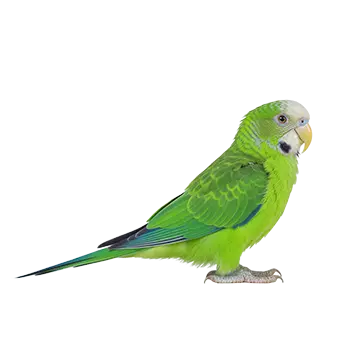

Traveling by car with a Quaker Parrot is the most common and generally the most manageable form of transport for the species. A sturdy, well-ventilated travel carrier is essential, sized appropriately so the bird can perch comfortably but not so large that it becomes unstable during sudden stops or turns. Carriers designed specifically for birds, with secure latches and perch attachments, are preferable to makeshift containers. The carrier should be secured with a seatbelt or placed on a flat, stable surface to prevent sliding.
Temperature regulation is a critical concern during car travel. Quaker Parrots are sensitive to temperature extremes, and a parked car can reach dangerous heat levels within minutes even on a mild day. Never leave a Quaker Parrot unattended in a vehicle, and use air conditioning or heating to maintain a comfortable cabin temperature throughout the trip. Avoid placing the carrier in direct sunlight, and consider using a light cover to reduce visual stimulation if the bird appears stressed.
Hydration and nutrition should be addressed before and during the journey. Offer fresh water before departure and at regular intervals during stops. Avoid placing open water dishes inside the carrier during transit, as they will spill; instead, offer water during rest breaks or use a spill-resistant bottle attachment designed for travel cages. Familiar foods such as favorite pellets, seeds, or small pieces of fruit can help keep the bird calm and nourished.
Acclimating your Quaker Parrot to the travel carrier well before any trip can significantly reduce stress. Place the carrier in the bird's living area with the door open, allowing the bird to explore it at its own pace. Reward the bird for entering the carrier voluntarily, and take short practice drives to build familiarity. A bird that views the carrier as a safe, known space will handle travel far more calmly than one encountering it for the first time on the day of a trip.