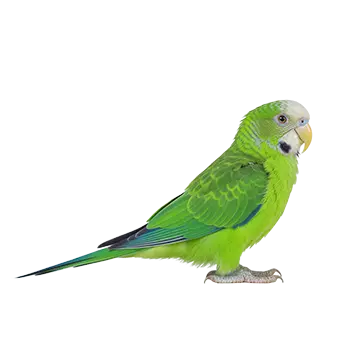

The Quaker Parrot occupies a uniquely complex legal position among companion birds. Due to concerns about feral populations causing agricultural damage and competing with native wildlife, several U.S. states have enacted outright bans or strict regulations on the ownership, sale, and breeding of Monk Parakeets. States that have historically prohibited Quaker Parrot ownership include California, Hawaii, Kansas, Kentucky, Pennsylvania, Tennessee, and Wyoming, among others. The specifics of these prohibitions vary widely, with some states imposing complete bans and others allowing ownership under permit or with conditions such as wing clipping or banding.
The rationale behind these restrictions centers on the Quaker Parrot's proven ability to establish self-sustaining feral colonies in non-native environments. State wildlife agencies have cited concerns about crop damage, interference with electrical infrastructure from nest-building activity, and potential displacement of native bird species. These concerns are not hypothetical; feral Quaker Parrot colonies have been documented in numerous states, and utility companies have reported significant costs associated with nest removal from power line structures.
The legal landscape is not static. Some states have revised their regulations in recent years, either tightening or relaxing restrictions based on updated assessments of the species' ecological impact. Prospective owners should consult their state's current wildlife or agriculture department regulations before acquiring a Quaker Parrot, as penalties for illegal possession can include fines, confiscation of the bird, and in some cases criminal charges.
Outside the United States, legal attitudes toward the Quaker Parrot also vary. Several countries in the European Union have placed restrictions on the species under invasive species regulations, while others permit ownership without significant hurdles. Australia and New Zealand maintain strict prohibitions on importing and keeping Quaker Parrots as part of broader biosecurity policies.