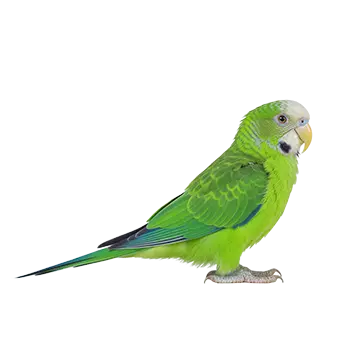

Film & Television

The Quaker Parrot has made numerous appearances in film and television, often cast in roles that highlight its vocal talents and charismatic personality. Documentary filmmakers have been particularly drawn to the species, producing segments and full-length features exploring the feral Quaker Parrot colonies that have established themselves in major cities. These documentaries have introduced millions of viewers to the remarkable story of a South American parrot thriving in the urban landscapes of North America and Europe.

Nature and wildlife programs have frequently spotlighted the Monk Parakeet's unique communal nesting behavior, using it as a case study in avian intelligence and social organization. Television networks dedicated to wildlife and science programming have aired episodes focusing on the species' ability to construct elaborate multi-chambered nests, a behavior unmatched among parrots. These segments have helped cement the Quaker Parrot's reputation as one of the most fascinating and resourceful members of the parrot family.

In scripted television and film, parrots of various species are often used interchangeably, but the Quaker Parrot's manageable size and willingness to perform on cue have made it a practical choice for animal trainers working in Hollywood and beyond. While it may not always receive specific breed credit on screen, the Quaker Parrot has contributed to the broader cultural image of the talking, companionable parrot that audiences find so entertaining.

Local news programs in cities with established feral colonies have also played a significant role in raising the Quaker Parrot's profile. Stories about urban flocks building nests on power lines or delighting park visitors have become perennial human-interest segments, reinforcing the species' image as an endearing urban neighbor.

Literature & Art

The Quaker Parrot has inspired a niche but devoted body of literary and artistic work. Authors writing about urban wildlife, invasive species, and the human-animal bond have frequently turned to the Monk Parakeet as a compelling subject. Books exploring the feral parrot phenomenon in American cities have brought the species to the attention of readers who might never encounter one in person, weaving together natural history, urban ecology, and personal narrative.

In the visual arts, the Quaker Parrot's vivid green plumage and expressive face have made it a popular subject for bird artists and illustrators. Field guide illustrations, naturalist paintings, and contemporary wildlife art frequently feature the species, and its image appears on greeting cards, prints, and decorative items marketed to bird enthusiasts. The bird's distinctive appearance translates well to a variety of artistic styles, from photorealistic portraiture to whimsical cartoon interpretations.

Poetry and creative nonfiction have also drawn on the Quaker Parrot as a symbol of displacement, adaptation, and unexpected beauty in urban environments. Writers have used the feral colonies as metaphors for immigration, resilience, and the ways in which communities form in unlikely places. This literary attention has added depth to the species' cultural profile, positioning it as more than just a popular pet.

Children's literature has embraced the Quaker Parrot as well, with picture books and early readers featuring Monk Parakeet characters that emphasize themes of friendship, cooperation, and the importance of home. These stories introduce young audiences to the species and foster an early appreciation for birds and the natural world.

Internet & Social Media

The Quaker Parrot has become one of the most visible parrot species on social media, with dedicated accounts on platforms like Instagram, TikTok, YouTube, and Facebook amassing large followings. Owners share videos of their birds talking, singing, dancing, and performing tricks, and the species' natural charisma translates exceptionally well to short-form video content. Individual Quaker Parrots have achieved viral fame, with clips of particularly impressive vocal performances or humorous antics reaching millions of viewers.

Online communities centered on Quaker Parrot ownership have flourished across multiple platforms. Facebook groups, Reddit communities, and specialized forums provide spaces for owners to exchange husbandry advice, discuss behavioral issues, share photographs, and celebrate the quirks of their birds. These communities have become invaluable resources for new and experienced owners alike, democratizing access to expert knowledge and fostering a sense of camaraderie among enthusiasts.

The species' talking ability is a major driver of its social media appeal. Videos showcasing Quaker Parrots mimicking phrases, responding to questions, and engaging in what appears to be genuine conversation consistently rank among the most popular parrot content online. This visibility has contributed to sustained demand for the species in the pet trade and has helped shape public perceptions of parrots as intelligent, interactive companions.

Social media has also served as a platform for advocacy and education. Rescue organizations, avian veterinarians, and experienced keepers use their online presence to promote responsible ownership, discourage impulse purchases, and raise awareness about the long-term commitment involved in caring for a Quaker Parrot. This blend of entertainment and education has made the internet a powerful force in shaping the species' cultural footprint.

Advertising & Branding

While parrots as a group have a long history in advertising and commercial branding, the Quaker Parrot has carved out its own modest niche. Pet food companies, avian supply retailers, and bird-related subscription services have featured Quaker Parrots in marketing materials, leveraging the species' photogenic appearance and broad name recognition among bird owners. The bird's bright green plumage and alert, engaging expression make it an effective visual ambassador for avian products.

Local businesses in cities with well-known feral Quaker Parrot populations have occasionally adopted the species as an informal mascot or branding element. In neighborhoods where wild flocks are a familiar sight, the Quaker Parrot's image may appear on shop signage, community newsletters, and event promotions, serving as a symbol of local character and ecological curiosity.

The species has also appeared in educational and conservation campaigns. Organizations focused on parrot welfare, habitat preservation, and responsible pet ownership have used the Quaker Parrot's story to illustrate broader themes about the exotic pet trade, the consequences of releasing non-native species, and the importance of informed decision-making before acquiring a parrot. These campaigns benefit from the species' widespread familiarity and the emotional connection many people feel toward it.

In the broader advertising landscape, the Quaker Parrot benefits from the general appeal of parrots as symbols of color, intelligence, and tropical charm. While it may not have the individual brand recognition of a Macaw or a Cockatoo, the Monk Parakeet's growing online visibility and cultural presence have steadily raised its profile in commercial and promotional contexts.

The Popularity Effect

The Quaker Parrot's presence in media and pop culture has had a tangible impact on its popularity as a pet species. Each wave of media attention, whether from a viral video, a documentary feature, or a news segment about urban flocks, generates a corresponding surge in interest from prospective owners. This cycle of visibility and demand has made the Quaker Parrot one of the most consistently sought-after parrot species in the global pet market.

This popularity, however, carries responsibilities and risks. Increased demand can lead to impulse purchases by owners who are unprepared for the species' long lifespan, social needs, and vocal nature. Quaker Parrots are highly intelligent and require significant daily interaction, mental stimulation, and a stable environment. When these needs go unmet, behavioral problems can develop, and birds may end up surrendered to rescues or released into the wild, perpetuating the cycle of feral colony establishment.

Avian rescue organizations and advocacy groups have responded to the popularity effect by emphasizing education and outreach. Many rescues report that Quaker Parrots are among the most commonly surrendered parrot species, a trend they attribute in part to the gap between the species' charming media image and the reality of daily care. Efforts to bridge this gap include pre-adoption counseling, detailed care guides, and partnerships with social media influencers who model responsible ownership.

Despite these challenges, the Quaker Parrot's media presence has also produced positive outcomes. Greater visibility has led to increased funding for avian research, expanded veterinary knowledge, and a more informed owner community. The species' pop culture footprint, when paired with responsible messaging, has the potential to improve welfare outcomes for captive Quaker Parrots and to foster a deeper public appreciation for parrots as a whole.

Always consult a qualified professional before making any health-related decisions. This content is provided for informational reference only and should not replace professional guidance specific to your animal.