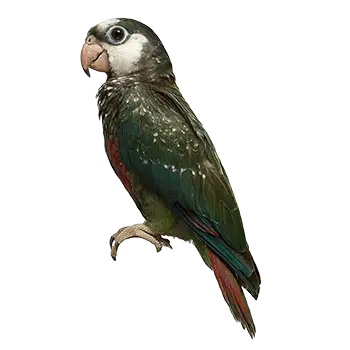

Car Travel

Traveling by car with a White-capped Pionus is generally the most straightforward and least stressful transport option for both bird and owner. The key to successful car travel is a sturdy, well-ventilated travel carrier that is appropriately sized for the bird. The carrier should be large enough for the Pionus to turn around and perch comfortably but small enough to prevent excessive movement during sudden stops or turns. Secure the carrier with a seatbelt or place it on the floor behind the front seats to minimize shifting.

Temperature management is critical during car travel with any parrot. White-capped Pionus parrots are sensitive to temperature extremes and drafts, so the vehicle's climate should be kept at a comfortable, stable level, ideally between 65 and 80 degrees Fahrenheit. Avoid directing air conditioning or heating vents toward the carrier, and never leave a bird unattended in a parked vehicle, as interior temperatures can reach dangerous levels within minutes, even on mild days.

For longer road trips, plan regular stops to offer your Pionus water and a small amount of food. Many experienced bird travelers carry a water bottle with a sipper tube attachment that can be affixed to the carrier door, providing access to fresh water throughout the journey without the risk of spills. Familiar foods and a small comfort item from the bird's regular cage can help reduce stress during extended travel.

The White-capped Pionus' naturally calm temperament is an advantage during car travel, as the species tends to settle into the rhythm of the journey more readily than more excitable parrot species. However, owners should be aware of the species' characteristic wheezing stress response, which may occur during the initial stages of travel. This breathing pattern is generally harmless and typically subsides once the bird acclimates to the motion and sounds of the vehicle, but owners unfamiliar with the behavior should know it is normal and not a sign of respiratory distress.

Air Travel

Air travel with a White-capped Pionus requires careful advance planning, as airline policies regarding live birds vary significantly between carriers and are subject to frequent changes. Some airlines permit small birds in the cabin in an approved carrier that fits under the seat, while others require all birds to travel in the cargo hold or do not accept avian passengers at all. Contact your airline well in advance of your travel date to confirm their current pet policy, reserve a spot for your bird, and verify the specific carrier requirements.

If your White-capped Pionus will travel in the cabin, you will need an airline-approved soft-sided or hard-sided carrier that meets the size restrictions for under-seat stowage. The carrier must provide adequate ventilation and secure closure. Most airlines limit the number of pets allowed in the cabin per flight, so early booking is essential. Additional fees for in-cabin pet transport vary by airline and can range from moderate to substantial.

Cargo travel presents greater risks due to temperature fluctuations, noise, pressure changes, and handling during loading and unloading. If cargo transport is unavoidable, choose a direct flight whenever possible to minimize time in transit and reduce the risk of mishandling during layovers. Use a sturdy, IATA-compliant carrier with secure latches, adequate ventilation on all sides, and clearly marked orientation labels. Line the carrier with absorbent material and attach food and water dishes that can be accessed from outside the carrier for refilling during extended journeys.

International air travel with a White-capped Pionus introduces additional complexity in the form of CITES documentation, veterinary health certificates, and destination country import requirements. Begin the documentation process at least two to three months before your travel date to ensure all permits are obtained and health screenings completed in time. Some countries require specific disease testing, such as for avian influenza or psittacosis, with results valid only within a narrow window before departure.

Pet-Friendly Accommodations

Finding pet-friendly accommodations that welcome birds can be more challenging than locating dog- or cat-friendly lodging. Many hotels and vacation rentals that advertise pet-friendly policies are primarily prepared for dogs and may not have considered the specific needs of avian guests. When booking accommodations, always call ahead to confirm that birds are explicitly welcome and to discuss any additional deposits, fees, or restrictions that may apply.

Vacation rental platforms often provide more flexibility for bird owners than traditional hotels, as individual property owners may be more willing to accommodate exotic pets on a case-by-case basis. When communicating with rental hosts, be specific about your White-capped Pionus' size, noise level, and housing requirements. Emphasizing the species' quiet nature and the fact that it will remain in its carrier or travel cage at all times can help ease concerns about potential property damage or noise disturbances.

When staying in accommodations with your Pionus, bring a travel cage that provides adequate space for the bird to perch, eat, and move comfortably during the stay. The cage should be placed in a quiet area of the room away from windows with direct sunlight, air conditioning units, and exterior doors. Cover the cage partially at night to provide a sense of security and maintain the bird's regular sleep schedule as closely as possible.

Safety precautions in unfamiliar environments are essential. Inspect the room for potential hazards before allowing your bird any out-of-cage time, including open windows, ceiling fans, exposed electrical cords, toxic houseplants, and small objects that could be ingested. The White-capped Pionus' curious but generally cautious nature reduces some risks, but unfamiliar surroundings can prompt unexpected behaviors, and vigilance is always warranted.

Boarding & Pet Sitting

When travel without your White-capped Pionus is the best option, arranging appropriate care in your absence is essential. Professional bird boarding facilities offer supervised care in environments designed for avian guests, with staff trained in parrot handling, feeding, and health monitoring. When selecting a boarding facility, visit in advance to evaluate cleanliness, cage sizes, temperature control, and the staff's familiarity with Pionus species and their particular needs.

In-home pet sitting is an alternative that allows your White-capped Pionus to remain in its familiar environment, reducing the stress associated with relocation. A qualified avian pet sitter should have experience handling parrots, understand basic avian nutrition and health indicators, and be comfortable with the daily routines of cage cleaning, food preparation, and supervised out-of-cage time. Provide your sitter with detailed written instructions covering diet, medication schedules if applicable, emergency contacts, and the location of your avian veterinarian.

Trusted friends or family members can also serve as caregivers, though they may require orientation on the specific needs of a White-capped Pionus. A walkthrough of the bird's daily routine, including feeding times, preferred foods, out-of-cage protocols, and any behavioral quirks, helps ensure continuity of care. Introduce the caregiver to your bird in advance of your departure so the Pionus has time to become comfortable with the new person.

Regardless of the care arrangement chosen, provide your caregiver with your avian veterinarian's contact information and authorization to seek emergency care if needed. Some veterinary clinics offer boarding services for avian patients, which can be an excellent option for birds with ongoing health conditions that require monitoring. These facilities combine the expertise of veterinary staff with the controlled environment of a medical setting, providing an extra level of safety during your absence.

Emergency Preparedness

Emergency preparedness is a critical but often overlooked aspect of life with any companion parrot, including the White-capped Pionus. Natural disasters, power outages, evacuations, and other emergencies can arise with little warning, and having a plan in place for your bird's safety can make the difference between a manageable disruption and a crisis. Every Pionus owner should maintain a ready-to-go emergency kit that includes a travel carrier, a supply of the bird's regular food, bottled water, any medications, and copies of veterinary records.

Evacuation planning should account for your bird's needs from the outset. Identify pet-friendly shelters, hotels, or contacts outside your immediate area where you and your Pionus can stay if your home becomes uninhabitable. Many community emergency management agencies maintain lists of pet-friendly evacuation resources, and organizations like the American Red Cross can provide guidance on including pets in your family's emergency plan.

Power outages present particular risks for parrot owners, as heating and cooling systems, lighting, and air filtration may be disrupted. White-capped Pionus parrots, like all tropical species, are sensitive to cold temperatures, and prolonged exposure to temperatures below 60 degrees Fahrenheit can be dangerous. Keep emergency heat sources such as hand warmers or battery-operated heaters available, and have blankets or cage covers ready to insulate your bird's enclosure during cold weather outages.

Identification is another important component of emergency preparedness. If your White-capped Pionus escapes during an emergency, having current photographs, band numbers, and microchip information readily available greatly increases the chances of recovery. Register your bird's microchip with a national pet recovery database and keep your contact information current. Joining local bird clubs and online lost-and-found parrot networks before an emergency occurs ensures that you have access to a community ready to help if your bird goes missing.

Always consult a qualified professional before making any health-related decisions. This content is provided for informational reference only and should not replace professional guidance specific to your animal.