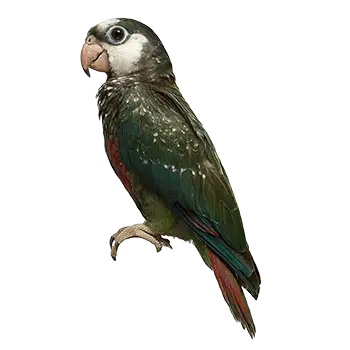

The White-capped Pionus has not achieved the level of on-screen recognition enjoyed by larger, more colorful parrot species like macaws and cockatoos, which have appeared prominently in major films and television series. Hollywood has historically favored parrots with bold plumage and dramatic personalities for featured roles, which has meant that the quieter, more subtly colored Pionus species tend to remain in the background when parrots appear in visual media.
That said, Pionus parrots have made occasional appearances in nature documentaries and wildlife programming focused on Central American ecosystems. Productions exploring the biodiversity of Costa Rican cloud forests or Honduran tropical lowlands sometimes capture footage of White-capped Pionus flocks feeding in the canopy or flying between forest patches. These documentary appearances, while brief, help introduce global audiences to a species they might otherwise never encounter.
Television programs dedicated to pet care and aviculture have given the White-capped Pionus somewhat more focused attention. Segments on parrot ownership and breed comparisons occasionally highlight Pionus species as ideal companions for people seeking a quieter alternative to the more demanding Amazon and macaw species. These features typically emphasize the bird's gentle disposition and suitability for apartment living, traits that resonate with a significant segment of the pet-owning audience.
As streaming platforms continue to expand their libraries of nature and lifestyle content, opportunities for the White-capped Pionus to appear in visual media are growing. Independent filmmakers and content creators with an interest in avian diversity are producing work that highlights lesser-known species, and the Pionus genus stands to benefit from this broader trend toward celebrating biodiversity beyond the most familiar charismatic species.