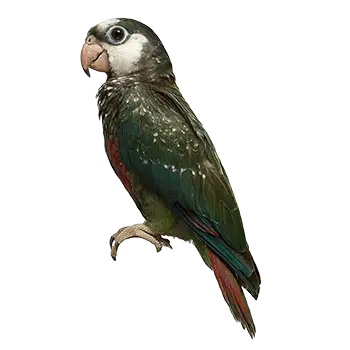

CITES & International Trade Regulations

The White-capped Pionus is listed under Appendix II of the Convention on International Trade in Endangered Species of Wild Fauna and Flora (CITES). This listing means that international commercial trade in wild-caught White-capped Pionus parrots is regulated and requires export permits issued by the country of origin. The Appendix II designation does not prohibit trade entirely but ensures that any trade is monitored and controlled to prevent it from threatening the species' survival in the wild.

For prospective owners and breeders, the CITES listing primarily affects the importation and exportation of birds across international borders. Captive-bred White-capped Pionus parrots may be traded internationally with appropriate documentation, including certificates confirming captive-bred status and CITES permits from the relevant national authorities. The specific documentation requirements vary by country, and both the exporting and importing nations must be party to the CITES agreement for its provisions to apply.

Countries within the White-capped Pionus' native range have implemented their own domestic legislation to complement CITES protections. Several Central American nations regulate or prohibit the capture and sale of native parrot species, reflecting growing conservation priorities and the recognition that wild populations face pressure from habitat loss and illegal trapping. Enforcement of these laws varies by country and region, with some areas maintaining more effective anti-poaching programs than others.

Anyone considering acquiring a White-capped Pionus from an international source should verify that the bird was legally bred in captivity and that all required permits and documentation are in order. Purchasing birds without proper documentation not only carries legal risks for the buyer but also potentially supports illegal wildlife trafficking networks that harm wild populations.

Ownership Requirements & Permits

In the United States, owning a captive-bred White-capped Pionus is generally legal without special permits at the federal level, provided the bird was legally acquired from a domestic breeder or dealer. The Wild Bird Conservation Act of 1992 effectively ended the importation of wild-caught parrots into the United States, meaning that virtually all White-capped Pionus available in the domestic market are captive-bred birds that do not require individual CITES documentation for sale within the country.

State and local regulations regarding parrot ownership vary considerably. Some states require permits or licenses for keeping exotic birds, while others have no specific requirements beyond general animal welfare laws. A few jurisdictions impose restrictions on the number of birds that may be kept in a residential setting or require owners to comply with noise ordinances that could theoretically affect parrot keepers, though the White-capped Pionus' relatively low noise output makes this less of a concern than with louder species.

In the European Union, ownership regulations are shaped by both EU-wide directives and individual member state laws. The EU Wildlife Trade Regulations implement CITES provisions within member states, requiring documentation for commercially traded birds. Some European countries require registration of certain parrot species or mandate that birds be fitted with closed leg bands or microchips for identification purposes.

Canada, Australia, and other countries each maintain their own regulatory frameworks governing the keeping of exotic birds. Prospective owners in any jurisdiction should consult local authorities or a knowledgeable avian veterinarian to understand the specific legal requirements that apply in their area before acquiring a White-capped Pionus.

Liability & Insurance

Parrot owners may face liability considerations if their bird causes injury to a person or damage to property. While the White-capped Pionus is among the gentler parrot species and serious bite injuries are uncommon, any bird with a beak is capable of inflicting a wound, particularly if startled, stressed, or improperly handled. Owners should be aware of their potential legal liability in such situations, especially when visitors, children, or service workers are present in the home.

Homeowner's and renter's insurance policies vary in their treatment of exotic pets. Some policies automatically cover liability for injuries caused by household pets, including birds, while others exclude exotic animals or require riders or supplemental coverage. Owners should review their insurance policies carefully and discuss bird ownership with their insurance provider to ensure adequate coverage is in place.

In cases where a White-capped Pionus escapes and causes damage to neighboring property or is involved in an incident outside the home, liability may extend beyond what a standard insurance policy covers. While such scenarios are relatively rare with a small, non-aggressive species, responsible owners should consider the potential consequences of an escape and take appropriate precautions, including secure caging, wing clipping if appropriate, and supervision during out-of-cage time.

Veterinary malpractice and breeder liability are additional legal dimensions that occasionally arise in the avian community. Buyers who receive a bird with undisclosed health conditions may have legal recourse against the seller, depending on the jurisdiction and the terms of the sale. Similarly, breeders and sellers should maintain accurate health records and provide honest disclosures about the condition and history of birds they offer for sale.

Housing Restrictions

Renters and condominium residents may face restrictions on pet ownership that affect their ability to keep a White-capped Pionus. Many rental agreements and homeowner association bylaws include clauses that restrict or prohibit pets, and exotic birds are sometimes specifically mentioned in these provisions. Even in communities where pets are generally permitted, restrictions on the number, type, or size of animals allowed may apply.

The White-capped Pionus' relatively quiet nature can be an advantage in housing situations where noise is a primary concern. Unlike larger parrot species whose vocalizations can generate noise complaints and potential lease violations, the Pionus' moderate volume is less likely to disturb neighbors. However, owners should not assume that a quiet bird will automatically be exempt from pet restrictions, as many housing policies are based on species type rather than noise level.

In some jurisdictions, landlords are prohibited from enforcing blanket pet bans against tenants with documented emotional support animals or service animals, though the legal frameworks governing these exemptions vary and are subject to ongoing legislative and judicial interpretation. Owners who rely on their White-capped Pionus for emotional support should consult local laws and seek appropriate documentation from a licensed mental health professional if they wish to pursue this avenue.

Prospective owners who live in rental housing or governed communities should review all applicable pet policies before acquiring a bird and, where possible, obtain written permission from their landlord or housing authority. Relocating a parrot due to an unexpected housing restriction is stressful for both the bird and the owner and is best avoided through proactive research and communication.

Import & Export Regulations

Importing a White-capped Pionus into the United States requires compliance with both CITES regulations and the requirements of the U.S. Fish and Wildlife Service (USFWS). All imported parrots must enter through designated ports of entry, be accompanied by valid CITES permits, and may be subject to inspection by USFWS officers. Additionally, imported birds must meet the quarantine requirements established by the U.S. Department of Agriculture (USDA) to prevent the introduction of avian diseases such as avian influenza and psittacosis.

The quarantine process for imported parrots typically involves a mandatory isolation period at a USDA-approved quarantine facility, during which the birds are tested for various diseases and monitored for signs of illness. The costs associated with quarantine, including facility fees, veterinary testing, and transportation, are borne by the importer and can be substantial. These requirements apply to both commercially imported birds and personal pets being relocated internationally.

Exporting a White-capped Pionus from the United States similarly requires CITES documentation and compliance with the import regulations of the destination country. Some countries impose their own quarantine requirements, health testing mandates, or documentation standards that must be met before the bird will be admitted. Owners planning international moves with their birds should begin the documentation process well in advance of their travel date, as obtaining permits and completing health screenings can take several weeks or months.

The European Union maintains its own set of import regulations that implement CITES provisions and add additional health and safety requirements. Birds entering the EU must be accompanied by veterinary health certificates, and some member states require advance notification to border inspection posts. Similar regulatory frameworks exist in Canada, Australia, Japan, and other countries, each with its own specific requirements and timelines.

Rescue, Rehoming & Shelter Law

Parrot rescue organizations play an important role in the White-capped Pionus community, providing homes for birds that have been surrendered, abandoned, or confiscated by authorities. These organizations operate under a patchwork of federal, state, and local regulations governing animal rescue, nonprofit status, and the care and placement of exotic animals. Many parrot rescues are organized as nonprofit entities and rely on volunteer labor and charitable donations to fund their operations.

The legal process for surrendering a White-capped Pionus to a rescue varies by organization and jurisdiction. Most rescues require owners to sign a formal surrender agreement that transfers legal ownership of the bird to the rescue organization. This agreement typically releases the previous owner from further responsibility for the bird and grants the rescue full authority to provide veterinary care, rehabilitation, and placement in a new home.

Adopting a White-capped Pionus from a rescue organization usually involves an application process, a home visit or interview, and the payment of an adoption fee that helps cover the cost of the bird's care during its time in rescue. Many rescues also require adopters to sign agreements specifying conditions of care and stipulating that the bird must be returned to the rescue rather than resold or rehomed independently if the adoption does not work out.

Birds confiscated by law enforcement or wildlife authorities due to illegal trade, neglect, or cruelty present additional legal complexities. These birds may be held as evidence during legal proceedings and may not be available for placement until cases are resolved. Federal and state agencies may work with established rescue organizations to provide temporary or permanent housing for confiscated parrots, and the legal ownership of such birds is typically determined by the courts.

Always consult a qualified professional before making any health-related decisions. This content is provided for informational reference only and should not replace professional guidance specific to your animal.