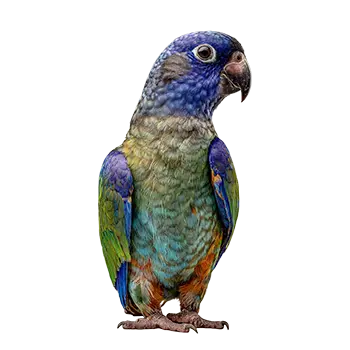

Traveling by car with a Blue-headed Pionus is generally the most straightforward transport option and the one over which owners have the greatest control. The key to a successful car trip is a well-chosen travel carrier that provides security, ventilation, and stability. A sturdy, appropriately sized carrier with a secure door latch, adequate ventilation holes, and a stable perch is essential. The carrier should be large enough for the bird to turn around comfortably but small enough to prevent the bird from being thrown about during sudden stops.
The carrier should be secured in the vehicle using a seatbelt or placed on a flat, stable surface where it will not slide or tip during transit. Avoid placing the carrier in direct sunlight, near heating or air conditioning vents, or in the trunk of the vehicle. Blue-headed Pionus parrots are sensitive to temperature extremes and drafts, so maintaining a comfortable, consistent temperature inside the car is important. A light cloth draped partially over the carrier can help reduce visual stimulation and keep the bird calm during the drive.
For short trips, such as veterinary visits, minimal additional preparation is needed beyond securing the carrier. For longer road trips, plan for regular stops to offer the bird fresh water and small amounts of familiar food. Avoid opening the carrier door in an unsecured environment, as even a calm Pionus may become startled and attempt to flee. If the bird needs to be removed from the carrier during a stop, do so only inside a closed vehicle or enclosed space.
Gradual acclimation to car travel can make the experience less stressful for both the bird and the owner. Short practice trips, positive reinforcement with treats, and consistent use of the same carrier can help the Blue-headed Pionus associate car travel with routine rather than alarm. Many Pionus owners report that their birds adjust well to regular car travel after a few initial experiences, especially if the bird has been well-socialized from a young age.