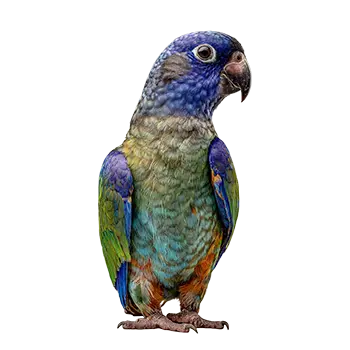

The Blue-headed Pionus has not achieved the level of screen fame enjoyed by larger, more flamboyant parrot species such as macaws and cockatoos, which have appeared prominently in major films and television series. However, Pionus parrots have made occasional appearances in nature documentaries and wildlife programming focused on Neotropical bird diversity. These appearances typically feature the species in its natural habitat, highlighting its role within the broader ecosystem of Central and South American forests.
Documentary filmmakers covering the Amazon basin and tropical forests of South America have captured footage of Blue-headed Pionus flocks feeding in the canopy, visiting clay licks, and nesting in tree cavities. These sequences, often included in broader programs about rainforest biodiversity, have introduced television audiences worldwide to the species. While the Blue-headed Pionus rarely receives individual focus in such productions, its vivid blue head plumage makes it a visually memorable presence whenever it appears on screen.
In scripted television and film, generic parrot species are frequently used as set dressing or background elements in scenes set in tropical locations. While specific species identification is rarely provided in these contexts, the Blue-headed Pionus and other medium-sized parrots have occasionally served in these roles. The species' calm temperament makes it a practical choice for on-set work, as it is less prone to the loud vocalizations and unpredictable behavior that can complicate filming with more excitable parrot species.
As awareness of the Pionus genus has grown among bird enthusiasts and content creators, there has been a gradual increase in the species' visibility in independently produced video content. Bird keepers and aviculturists who work with Blue-headed Pionus parrots have contributed footage and commentary to documentaries and educational programs, helping to build a more complete picture of the species' behavior and appeal.