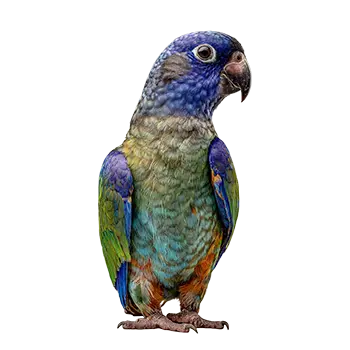

CITES & International Trade Regulations

The Blue-headed Pionus (Pionus menstruus) is listed under Appendix II of the Convention on International Trade in Endangered Species of Wild Fauna and Flora (CITES). This listing means that international trade in the species is regulated to ensure that commercial activity does not threaten its survival in the wild. Any cross-border movement of a Blue-headed Pionus, whether for sale, breeding, or personal relocation, requires the appropriate CITES permits issued by the relevant national authorities.

Appendix II listing does not prohibit trade outright but establishes a framework of documentation and oversight. Exporting countries must issue export permits confirming that the specimen was legally acquired and that the export will not be detrimental to the species' wild population. Importing countries may impose additional requirements, including import permits or health certifications. These regulatory layers are designed to create a traceable chain of custody for traded birds.

The Wild Bird Conservation Act of 1992 in the United States effectively banned the importation of most wild-caught parrots, including the Blue-headed Pionus. This legislation was a landmark measure aimed at reducing the devastating impact of the wild-caught bird trade on Neotropical parrot populations. As a result, the vast majority of Blue-headed Pionus parrots available in the U.S. pet market today are domestically bred.

Prospective owners and breeders should be aware that CITES regulations apply not only to live birds but also to eggs, feathers, and other biological materials. Compliance with these regulations is essential for anyone involved in the breeding, sale, or transport of Blue-headed Pionus parrots across international borders. Violations can result in significant fines, confiscation of animals, and criminal prosecution.

Ownership Requirements

In the United States, the legal requirements for owning a Blue-headed Pionus vary by state and, in some cases, by county or municipality. Most states permit the ownership of captive-bred Pionus parrots without a special permit, but some jurisdictions require bird owners to obtain a general exotic animal permit or to register their birds with local animal control authorities. It is important for prospective owners to research the specific regulations in their area before acquiring a bird.

Several states have enacted laws that regulate the keeping of exotic or non-native bird species. While these laws are more commonly targeted at larger or more potentially problematic species, they can sometimes encompass medium-sized parrots like the Blue-headed Pionus. Requirements may include proof of captive-bred origin, veterinary health certificates, and compliance with housing standards designed to ensure the bird's welfare.

Outside the United States, ownership regulations for parrots vary widely. In the European Union, captive-bred parrots are generally legal to own, but member states may impose individual requirements regarding registration, microchipping, and documentation of captive-bred status. In Australia, the importation and keeping of non-native parrot species is heavily restricted, and Blue-headed Pionus parrots are generally not available to private owners. Regulations in other countries range from minimal oversight to complete prohibition of exotic bird ownership.

Regardless of the specific legal requirements in a given jurisdiction, responsible ownership of a Blue-headed Pionus involves maintaining documentation of the bird's origin, purchase records, and any veterinary care received. These records can be essential in demonstrating legal ownership and captive-bred status, particularly in the event of a legal inquiry or if the owner needs to transport the bird across state or national borders.

Liability & Insurance

While the Blue-headed Pionus is generally considered a low-risk pet due to its calm temperament and moderate size, bird owners should be aware of potential liability issues associated with keeping any animal. In most jurisdictions, pet owners bear legal responsibility for any injury or damage caused by their animals, including bites, property damage, or allergic reactions experienced by visitors or neighbors.

Homeowner's and renter's insurance policies vary in their treatment of pet-related liability. Some policies include coverage for incidents involving common household pets, while others may exclude exotic or non-traditional animals, including parrots. Bird owners should review their insurance policies carefully and discuss coverage with their insurance providers to ensure they are adequately protected against potential claims.

In cases where a Blue-headed Pionus escapes and causes damage to neighboring property or other animals, the owner may be held liable for the resulting costs. While such incidents are uncommon with a species of this size, they underscore the importance of secure housing and responsible management. Proper cage design, wing management decisions, and supervised out-of-cage time can all help minimize the risk of escape-related incidents.

Landlords and housing associations may impose specific requirements or restrictions on tenants who keep birds. These can include limits on the number of birds allowed, requirements for additional security deposits, or stipulations regarding cage placement and noise management. Blue-headed Pionus owners who rent their homes should review their lease agreements and communicate proactively with their landlords about their bird ownership.

Housing Restrictions

Housing regulations affecting bird owners vary significantly depending on the type of housing and the jurisdiction. In rental properties, landlords may permit, restrict, or prohibit pet birds through lease agreements. While some landlords are amenable to small and medium-sized caged birds, others may impose blanket no-pet policies that include parrots. Prospective bird owners who rent should clarify pet policies before acquiring a Blue-headed Pionus.

Condominium and homeowner's associations frequently maintain their own sets of pet-related rules that can affect bird ownership. These rules may specify the types and sizes of pets allowed, impose limits on the number of animals per unit, or establish noise-related guidelines that could be relevant for parrot owners. While the Blue-headed Pionus is among the quieter parrot species, any bird is capable of vocalizations that might draw complaints in close-quartered living situations.

In some municipalities, zoning ordinances may regulate the keeping of exotic animals, including non-native bird species. Urban and suburban areas are more likely to have such regulations than rural zones. While enforcement of these ordinances against owners of a single pet parrot is relatively uncommon, awareness of local zoning laws is an important part of responsible ownership.

For bird owners who keep multiple parrots or who are involved in breeding, additional regulations may apply. Some jurisdictions require breeders to obtain specific licenses, maintain minimum standards of animal housing, and submit to periodic inspections. These requirements are designed to ensure the welfare of the birds and to prevent the development of nuisance conditions that could affect neighbors. Breeders of Blue-headed Pionus parrots should familiarize themselves with all applicable local, state, and federal regulations.

Import & Export Regulations

The importation and exportation of Blue-headed Pionus parrots are governed by a combination of international treaties, federal laws, and national regulations specific to each country involved in the transaction. As noted, CITES Appendix II listing requires that all international shipments of this species be accompanied by valid permits documenting the bird's legal origin and the non-detriment of the trade to wild populations.

In the United States, the U.S. Fish and Wildlife Service oversees the enforcement of CITES regulations and the Wild Bird Conservation Act. Any person seeking to import or export a Blue-headed Pionus must file the appropriate declarations and obtain the necessary permits from USFWS. The process involves documentation of the bird's captive-bred status, health certification from an accredited veterinarian, and compliance with quarantine requirements administered by the U.S. Department of Agriculture.

The European Union maintains its own set of regulations governing the trade in CITES-listed species, implemented through EU Wildlife Trade Regulations. These regulations mirror the requirements of CITES but may impose additional conditions, such as specific documentation formats and designated points of entry for live animal shipments. Breeders and owners who wish to move Blue-headed Pionus parrots between EU member states or to and from non-EU countries must comply with both EU and national-level requirements.

Countries throughout Central and South America, where the Blue-headed Pionus is native, have their own export restrictions designed to protect wild populations. Many of these countries have enacted bans or strict limitations on the export of native parrot species, reflecting a growing commitment to conservation and a recognition of the historical damage caused by the wild-caught bird trade. These restrictions have been an important factor in shifting the companion parrot market toward captive-bred birds.

Rescue & Rehoming Law

The rescue and rehoming of Blue-headed Pionus parrots is governed by a patchwork of laws and regulations that vary by jurisdiction. In the United States, parrot rescue organizations operate under state nonprofit laws and must comply with applicable animal welfare statutes. Some states require rescue organizations to obtain specific licenses for the housing and rehoming of exotic animals, including parrots.

When a Blue-headed Pionus is surrendered to a rescue organization, questions of ownership transfer and legal liability must be addressed. Most reputable rescues require surrendering owners to sign formal relinquishment agreements that transfer legal ownership of the bird to the organization. These agreements protect both the rescue and the former owner from future disputes and ensure that the bird can be legally rehomed to a new adopter.

Adoption processes at parrot rescues typically involve screening procedures designed to evaluate the suitability of prospective adopters. These may include home visits, reference checks, and interviews to assess the adopter's knowledge of parrot care and their ability to provide an appropriate environment. Adoption contracts often include clauses requiring the adopter to return the bird to the rescue if they are no longer able to care for it, rather than selling or giving it away privately.

The long lifespan of the Blue-headed Pionus, which can reach 25 to 40 years in captivity, creates unique legal considerations related to estate planning and long-term care arrangements. Owners are encouraged to make provisions for their birds in their wills or to establish pet trusts that designate caregivers and allocate funds for the bird's ongoing care. Several states have enacted pet trust statutes that provide a legal framework for these arrangements, ensuring that long-lived companion animals like parrots are cared for after their owners pass away or become incapacitated.

Always consult a qualified professional before making any health-related decisions. This content is provided for informational reference only and should not replace professional guidance specific to your animal.