
Species-Specific Legislation

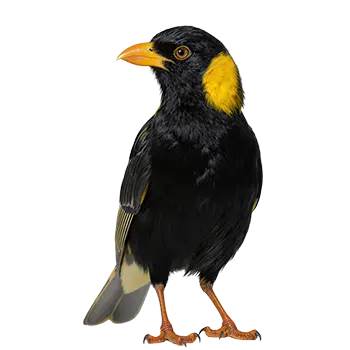
Mynah birds occupy a unique position in wildlife law because different species within the mynah family are subject to vastly different regulatory frameworks. The Hill Mynah (Gracula religiosa) is listed under Appendix II of the Convention on International Trade in Endangered Species (CITES), which means that international trade in wild-caught Hill Mynahs requires export permits and documentation verifying that the trade will not be detrimental to the survival of the species in the wild. The Bali Mynah (Leucopsar rothschildi) receives even stricter protection under CITES Appendix I, which effectively prohibits all commercial international trade.

In the United States, the Wild Bird Conservation Act of 1992 placed significant restrictions on the importation of exotic bird species, including Hill Mynahs. This legislation was enacted in response to growing concerns about the impact of the wild bird trade on global bird populations and effectively ended the large-scale import of wild-caught mynahs into the country. Domestically bred Hill Mynahs remain legal to buy, sell, and keep as pets in most states, though specific regulations vary by jurisdiction.

The Common Mynah (Acridotheres tristis) presents a different legal picture entirely. Because it is classified as an invasive species in many countries, including Australia, New Zealand, and several Pacific island nations, the Common Mynah is subject to control and eradication programs rather than protective legislation. In Australia, the Common Mynah is listed as a key threatening process under national environmental law, and keeping one as a pet is prohibited in most states and territories.

Prospective mynah bird owners should be aware that laws can change and that enforcement varies significantly between jurisdictions. What is legal at the federal level may be restricted by state, provincial, or local ordinances. Consulting with local wildlife authorities and experienced aviculture organizations before acquiring a mynah bird is strongly recommended to ensure full compliance with applicable regulations.

Ownership Requirements & Permits

The permits and documentation required to legally own a mynah bird depend on the species, the owner's location, and whether the bird was bred domestically or imported. In the United States, captive-bred Hill Mynahs generally do not require federal permits for private ownership, but some states and municipalities impose their own licensing requirements for exotic bird species. States such as Hawaii, which has particular vulnerability to invasive species, maintain strict regulations on the importation and keeping of all non-native bird species.

In the European Union, ownership of Hill Mynahs requires documentation proving the bird's legal origin, typically in the form of a closed leg band issued by a recognized breeding organization and an accompanying certificate. EU member states implement the CITES regulations through their own national legislation, and the specific documentation requirements can vary between countries. Breeders are generally required to register with national wildlife authorities and maintain detailed records of breeding pairs, clutch sizes, and the disposition of offspring.

Several Asian countries where mynahs are native have enacted domestic legislation restricting or prohibiting the capture and sale of wild mynah birds. India, for example, prohibits the keeping of all native wild birds as pets under the Wildlife Protection Act of 1972, which includes all mynah species found in the country. Enforcement of these laws has historically been inconsistent, but penalties for violations can include significant fines and imprisonment.

For owners who breed mynah birds, additional regulatory requirements may apply. Many jurisdictions require breeders to obtain specific licenses, maintain records of sales and transfers, and ensure that all birds sold are properly banded or microchipped. These requirements serve both conservation and consumer protection purposes, helping to ensure traceability and accountability throughout the chain of custody.

Liability & Insurance

While mynah birds do not present the same liability concerns as large parrots or birds of prey, owners should still be aware of potential legal exposure related to their pets. Mynahs are capable of delivering a sharp bite that, while unlikely to cause serious injury to an adult, could potentially harm a small child or a person with fragile skin. Owners may be held liable for injuries caused by their birds, particularly if the bird has a known history of aggressive behavior or if the owner fails to take reasonable precautions.

Noise complaints represent another area of potential legal liability for mynah owners. Hill Mynahs in particular are capable of producing extremely loud vocalizations, and their tendency to mimic household sounds such as alarm clocks, telephones, and doorbells can be a source of friction with neighbors. In multi-unit housing situations, persistent noise from a pet mynah could potentially result in lease violations or civil complaints, depending on local noise ordinances and the terms of the housing agreement.

Homeowner's and renter's insurance policies vary in their coverage of incidents involving exotic pets. Some policies explicitly exclude exotic animals from liability coverage, while others may cover them under general pet liability provisions. Mynah owners should review their insurance policies carefully and consider discussing their specific situation with an insurance professional to ensure adequate coverage. Specialized exotic pet insurance policies are available from several providers and may offer more comprehensive coverage.

In the event that a mynah bird escapes and causes damage to neighboring property or contributes to ecological disruption, the owner may face additional liability. This is a particular concern with Common Mynahs in regions where the species is classified as invasive, as the release of an invasive species, even accidentally, may carry legal penalties beyond simple property damage liability.

Housing Restrictions

Housing restrictions represent one of the most common legal challenges faced by mynah bird owners. Many landlords and property management companies include clauses in lease agreements that either prohibit pets entirely or restrict pet ownership to specific types of animals, typically dogs and cats below a certain weight. Exotic birds, including mynahs, may fall outside the scope of permitted pets under these agreements, potentially placing owners at risk of lease violations.

Homeowners' associations (HOAs) and condominium boards may impose their own restrictions on pet birds, particularly in communities where noise is a concern. Mynah birds, with their powerful voices and tendency toward vocal activity during morning and evening hours, can be specifically targeted by noise-related pet restrictions. Owners considering a move or a new mynah acquisition should carefully review any applicable HOA covenants, conditions, and restrictions before proceeding.

Zoning regulations in some municipalities may also affect mynah bird ownership. While residential zoning typically permits the keeping of common household pets, some jurisdictions classify exotic birds differently and may require special permits or impose limits on the number of birds that can be kept at a single residence. Agricultural zoning may offer more flexibility, but owners should verify that aviculture activities are permitted under the specific terms of their zoning classification.

For renters who wish to keep mynah birds, open communication with landlords is generally the best approach. Providing information about the species, including its size, noise level, and housing requirements, can help alleviate concerns and may lead to a negotiated agreement that permits the bird while addressing the landlord's legitimate interests. Written permission, ideally incorporated as an addendum to the lease, provides the strongest legal protection for both parties.

Import & Export Regulations

The international movement of mynah birds is governed by a complex framework of treaties, national laws, and administrative regulations. CITES provides the overarching international framework, but individual countries implement CITES through their own domestic legislation, and the specific requirements for import and export permits can vary significantly. Anyone planning to transport a mynah bird across international borders should begin the permit application process well in advance, as processing times can extend to several months.

The United States Fish and Wildlife Service (USFWS) administers CITES implementation in the United States and oversees the permit process for the import and export of protected species. Under the Wild Bird Conservation Act, the import of wild-caught mynah birds is generally prohibited, but captive-bred birds from approved foreign breeding facilities may be eligible for import under specific conditions. All imports must enter through designated ports of entry equipped with USFWS inspection facilities.

The European Union maintains its own system of wildlife trade regulations that implement CITES requirements and, in some cases, impose additional restrictions. EU regulations require import permits for all CITES-listed species, and the application process involves a scientific review to determine whether the import is consistent with the conservation of the species. Quarantine requirements for imported birds add additional time and cost to the process and must be arranged in advance through approved quarantine facilities.

Countries in the mynah's native range have generally moved toward stricter export controls in recent decades, reflecting growing awareness of the conservation impact of the wild bird trade. India, Indonesia, and Thailand have all tightened regulations on the export of native bird species, and enforcement efforts have increased in response to continued demand from international markets. Prospective importers should be aware that documentation requirements include proof of legal origin, health certificates from licensed veterinarians, and compliance with both exporting and importing country regulations.

Rescue, Rehoming & Shelter Law

The legal framework surrounding the rescue and rehoming of mynah birds reflects the broader challenges of exotic animal welfare law. Unlike dogs and cats, which benefit from well-established shelter systems and legal protections in most jurisdictions, exotic birds often fall into regulatory gaps. Many animal shelters are not equipped to house or care for mynah birds, and the specialized knowledge required for proper mynah care means that surrendered birds may not receive adequate attention in general-purpose rescue facilities.

Exotic bird rescues and sanctuaries play a critical role in filling this gap, but they operate within a patchwork of state and local regulations that can create administrative burdens. In the United States, exotic bird rescues must typically obtain nonprofit status, comply with state animal welfare inspection requirements, and in some cases hold specialized permits for the species in their care. These regulatory requirements, while intended to ensure proper care, can be challenging for small volunteer-run organizations with limited resources.

Rehoming mynah birds through private sale or transfer is generally legal in jurisdictions where ownership of the species is permitted, but sellers and donors should be aware of any applicable documentation requirements. Transferring a mynah bird without proper provenance documentation, such as a breeding certificate or bill of sale, can create legal complications for the new owner, particularly if questions arise about the bird's origin. Maintaining a clear chain of documentation protects both parties and helps ensure the bird's legal status.

The growing availability of mynah birds in rescue situations has prompted some aviculture organizations to develop formal adoption protocols and post-adoption support programs. These programs typically include screening potential adopters for appropriate housing and care capabilities, providing educational materials about mynah care, and offering ongoing support through mentorship or helpline services. Such programs represent an evolving best practice in exotic bird welfare and help ensure that rehomed mynahs receive the quality of care they need to thrive.

Always consult a qualified professional before making any health-related decisions. This content is provided for informational reference only and should not replace professional guidance specific to your animal.