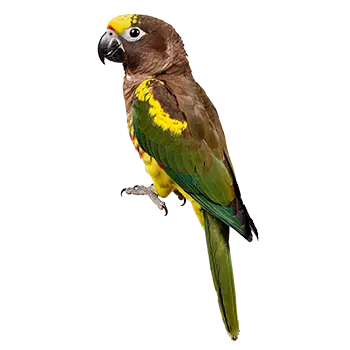

Traveling by car with a Meyer's Parrot is generally the most straightforward and least stressful transport option for both bird and owner. The species' naturally calm temperament makes it better suited to the motion and sounds of car travel than many other parrot species, though individual birds will vary in their comfort level. The key to successful car travel is preparation, gradual acclimation, and attention to the bird's environmental needs throughout the journey.
A sturdy, well-ventilated travel carrier is essential for car trips of any length. The carrier should be large enough for the bird to move comfortably and turn around, but small enough to prevent the bird from being thrown about during sudden stops or turns. Line the bottom with a towel or paper towels for easy cleanup, and secure the carrier in the back seat using a seatbelt or cargo strap. Never place the carrier in the front seat where it could be struck by an airbag, and never leave a bird unattended in a parked vehicle, as temperatures inside a closed car can become lethal within minutes.
For longer road trips, plan regular stops to offer your Meyer's Parrot fresh water and small amounts of food. Most birds will eat and drink less than usual while traveling, which is normal, but dehydration is a genuine risk on extended journeys. Offering favorite treats and familiar foods can encourage intake. Keep the car at a comfortable temperature, avoiding both excessive heat and cold drafts from air conditioning vents directed at the carrier.
Acclimating your Meyer's Parrot to car travel before a major trip can significantly reduce stress for both bird and owner. Start with short drives around the neighborhood, gradually increasing the duration as the bird becomes more comfortable. Pair car rides with positive experiences, such as a favorite treat upon arrival, to help the bird form positive associations with travel. Birds that are introduced to car travel gradually tend to be significantly calmer and more relaxed during longer journeys.