
Film & Television

Meyer's Parrots have not been prominent stars in mainstream film or television, a reflection of their quiet nature and relatively modest profile compared to showier parrot species like macaws or cockatoos. However, the broader representation of parrots in visual media has indirectly benefited lesser-known species like the Meyer's Parrot by sparking general interest in parrot ownership and care. When audiences see charismatic parrots on screen, many begin researching species that might fit their own lifestyles, and the Meyer's Parrot frequently surfaces as a recommended option for those seeking a calmer companion.

Wildlife documentaries focusing on African ecosystems have occasionally featured Meyer's Parrots in their natural woodland habitats. Productions exploring the biodiversity of miombo and mopane woodlands in eastern and southern Africa have captured footage of Meyer's Parrots foraging, nesting, and interacting in pairs. These documentary appearances, while typically brief, have provided viewers with rare glimpses of the species behaving naturally in the wild, something that is difficult to observe firsthand outside of Africa.

In the realm of educational programming, Meyer's Parrots have appeared in segments produced by avian rescue organizations and bird sanctuaries. These segments typically highlight the species' gentle temperament and suitability as a companion bird, serving as both entertainment and public education. Several avian veterinarians and bird behaviorists have also featured Meyer's Parrots in instructional videos, using the species as an example of a well-adjusted, manageable pet parrot.

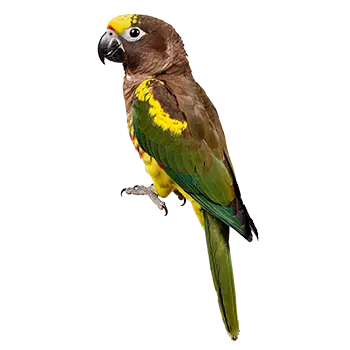
As the landscape of visual media continues to expand through streaming platforms and independent content creation, it is likely that Meyer's Parrots will gain additional exposure. The species' photogenic combination of earthy greens, bright yellows, and subtle turquoise markings makes it visually appealing on camera, and its calm demeanor makes it a cooperative subject for both professional and amateur filmmakers.

Literature & Art

In ornithological literature, Meyer's Parrots have been the subject of numerous field guides, species accounts, and avicultural handbooks. Comprehensive works on African parrots, such as those covering the Poicephalus genus, devote detailed chapters to the species' taxonomy, distribution, and behavior. These publications have been instrumental in raising awareness of Meyer's Parrots among both the scientific community and prospective pet owners, providing the foundational knowledge that supports responsible ownership.

The species has also appeared in illustrated bird guides and natural history art. Artists specializing in ornithological illustration have depicted Meyer's Parrots with careful attention to their distinctive plumage patterns, including the variable yellow crown and wing markings that differ among subspecies. These illustrations serve both scientific and aesthetic purposes, preserving accurate visual records of the species while also celebrating the subtle beauty that distinguishes Meyer's Parrots from their more vividly colored relatives.

Avicultural magazines and journals have published numerous feature articles on Meyer's Parrots over the decades, covering topics from breeding success stories to behavioral observations. Publications like the Magazine of the Parrot Society and various national avicultural society newsletters have provided a platform for breeders and owners to share their experiences with the species, creating a body of practical literature that complements the more formal scientific works.

In the broader world of pet bird literature, Meyer's Parrots frequently appear in species comparison guides and beginner-oriented books about parrot ownership. Authors writing for prospective parrot owners consistently highlight the species as an excellent choice for those who want a genuine parrot experience without the noise, space requirements, and behavioral challenges associated with larger species. This steady presence in practical ownership literature has been a significant driver of the species' growing popularity.

Internet & Social Media

The internet has been transformative for Meyer's Parrot visibility. Before the rise of online communities, information about the species was largely confined to avicultural society publications and specialty pet stores. Today, dedicated forums, Facebook groups, and Reddit communities provide spaces where Meyer's Parrot owners and enthusiasts share care advice, breeding information, and countless photographs and videos of their birds. These online communities have created a sense of connection among owners worldwide and have made species-specific knowledge readily accessible to anyone considering a Meyer's Parrot.

On platforms like YouTube and Instagram, Meyer's Parrots have developed a modest but enthusiastic following. Owners share videos of their birds demonstrating tricks, vocalizing, and engaging in playful behavior, showcasing the species' personality in ways that static photographs and written descriptions cannot capture. Popular Meyer's Parrot accounts often emphasize the species' gentle nature and quiet companionship, attracting followers who appreciate a more relaxed alternative to the high-energy content generated by larger parrot species.

The hashtag culture of social media has helped consolidate the Meyer's Parrot community online. Tags such as those referencing the species name, the Poicephalus genus, and general parrot content allow enthusiasts to discover and connect with one another across platform boundaries. This organic networking has facilitated the exchange of husbandry tips, veterinary recommendations, and even breeding stock between owners who might never have found each other through traditional avicultural channels.

Online marketplaces and breeder directories have also played a significant role in the species' accessibility. Prospective owners can now research reputable breeders, compare pricing, and read reviews from previous buyers before making the significant commitment of adding a Meyer's Parrot to their household. This transparency has generally improved the quality of the ownership experience and has helped reduce the incidence of impulse purchases that can lead to rehoming.

Advertising & Branding

Meyer's Parrots have not been widely used in mainstream advertising or corporate branding, largely because the species lacks the instant recognition factor of more iconic parrot species. Macaws, cockatoos, and the generic cartoon parrot remain the go-to images for marketers seeking to evoke tropical environments, pirate themes, or exotic pet ownership. However, within the niche market of avicultural products and services, Meyer's Parrots do appear in promotional materials, catalog imagery, and product packaging.

Pet food manufacturers specializing in parrot nutrition have featured Meyer's Parrots in their marketing materials, particularly when promoting diets formulated for small to medium-sized parrots. These appearances help reinforce the message that quality nutrition is important for all parrot species, not just the large and well-known ones. Similarly, manufacturers of bird toys, perches, and cage accessories have used images of Meyer's Parrots to demonstrate the suitability of their products for smaller parrot species.

Avian veterinary practices and bird boarding facilities sometimes feature Meyer's Parrots in their promotional materials as well, using the species as an example of the diverse range of birds they serve. The Meyer's Parrot's calm and photogenic appearance makes it an effective representative for these businesses, conveying professionalism and specialized expertise in avian care.

As the pet bird market continues to evolve and consumers become more knowledgeable about the range of available species, it is possible that Meyer's Parrots will gain greater visibility in targeted advertising. The growing trend toward marketing to specific pet owner demographics, rather than the general public, creates opportunities for lesser-known species like the Meyer's Parrot to feature more prominently in campaigns directed at bird enthusiasts and prospective parrot owners.

The Popularity Effect

The Meyer's Parrot's rise in popularity over the past several decades illustrates a broader trend in the companion bird world: the increasing appreciation of smaller, quieter parrot species that offer genuine companionship without the extreme demands of their larger relatives. As information about parrot care has become more widely available through books, websites, and social media, prospective owners are making more informed decisions, and many are choosing species like the Meyer's Parrot that align with their living situations and lifestyle constraints.

This shift in consumer preference has had tangible effects on the avicultural market. Breeders report steady demand for Meyer's Parrots, and the species commands prices that reflect both its desirability and the care required to breed it successfully. Unlike some parrot species whose popularity has surged and crashed in response to media exposure, the Meyer's Parrot has experienced a gradual, sustainable growth in demand that is supported by genuine owner satisfaction rather than fleeting trends.

The popularity effect has also influenced the availability of species-specific resources and products. As the Meyer's Parrot community has grown, so has the market for appropriately sized cages, species-specific dietary supplements, and enrichment toys designed for small to medium-sized parrots. This expanding product ecosystem makes it easier for new owners to provide optimal care, which in turn contributes to positive ownership experiences and further word-of-mouth recommendations.

However, the growing popularity of any pet species also carries risks. Increased demand can incentivize irresponsible breeding practices, and the ease of online sales can make it more difficult for inexperienced buyers to distinguish between reputable breeders and those prioritizing profit over animal welfare. The Meyer's Parrot community has responded to these concerns by promoting breeder certification programs, sharing educational resources about identifying healthy birds, and supporting rescue organizations that rehome birds from situations where ownership has not worked out.

Always consult a qualified professional before making any health-related decisions. This content is provided for informational reference only and should not replace professional guidance specific to your animal.