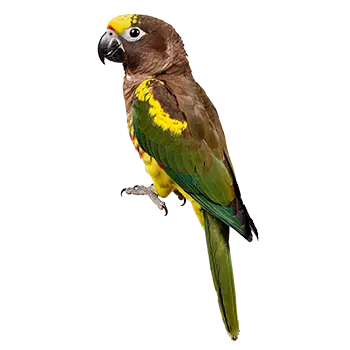

CITES & International Trade Regulations

Meyer's Parrots are listed under Appendix II of the Convention on International Trade in Endangered Species of Wild Fauna and Flora (CITES), which regulates the international commercial trade of species that could become threatened if trade is not carefully controlled. This listing means that any international movement of Meyer's Parrots, whether for sale, breeding, or personal relocation, requires proper CITES documentation. Export permits must be issued by the management authority of the country of origin, and importers must present valid documentation upon arrival.

The Appendix II listing does not prohibit trade in Meyer's Parrots but establishes a framework of oversight designed to ensure that commercial activity does not harm wild populations. Countries that export Meyer's Parrots must demonstrate that the birds were legally obtained and that trade levels are sustainable. In practice, the vast majority of Meyer's Parrots entering the international pet trade today are captive-bred, which simplifies the permitting process but does not eliminate it.

Prospective owners purchasing a Meyer's Parrot from a breeder in another country should be aware that both the exporting and importing nations must approve the transaction. Processing times for CITES permits can vary significantly between countries, and failure to secure proper documentation before transport can result in seizure of the bird, fines, or criminal charges. Working with experienced avian transport specialists or breeders who have handled international sales is strongly recommended.

It is important to note that CITES regulations are implemented through national legislation, which means that the specific requirements and enforcement mechanisms vary from country to country. Some nations impose additional restrictions beyond the baseline CITES requirements, including quarantine periods, veterinary health certificates, and species-specific import bans. Prospective owners should research the specific regulations of both the source country and their own jurisdiction before initiating any international purchase or transfer.

Ownership Permits & Requirements

In many jurisdictions, owning a Meyer's Parrot as a companion bird does not require a special permit beyond the standard regulations that apply to pet bird ownership generally. However, regulations vary widely between countries, states, and municipalities, and it is the owner's responsibility to verify compliance with all applicable laws before acquiring a bird. Some regions require registration of exotic or non-native bird species, while others impose no such requirements for captive-bred parrots.

In the United States, the Wild Bird Conservation Act of 1992 effectively ended the importation of wild-caught parrots for the pet trade, meaning that virtually all Meyer's Parrots available for purchase in the country are domestically bred. While no federal permit is required to own a captive-bred Meyer's Parrot, individual states may have their own regulations regarding exotic animal ownership. A handful of states and local jurisdictions maintain lists of prohibited or restricted species, and prospective owners should consult their state wildlife agency to confirm that Meyer's Parrots are permitted.

In the European Union, regulations governing parrot ownership are generally harmonized under EU wildlife trade regulations that implement CITES provisions. Captive-bred Meyer's Parrots sold within the EU typically require a transaction certificate or equivalent documentation proving the bird's captive-bred status. Some member states impose additional requirements, such as mandatory microchipping or leg banding, to facilitate identification and prevent laundering of wild-caught birds through the captive-bred market.

Australian regulations are notably strict regarding the importation of non-native bird species. Meyer's Parrots are not native to Australia, and importing them requires navigating a rigorous approval process that includes biosecurity assessments and extended quarantine periods. Prospective owners in Australia should be aware that the availability of Meyer's Parrots is limited compared to countries with less restrictive import policies, and prices may reflect the additional costs associated with compliance.

Liability & Insurance

Liability considerations for Meyer's Parrot owners are generally less complex than those associated with larger or more aggressive animal species, but they are not nonexistent. While Meyer's Parrots are known for their gentle temperament, any pet bird is capable of biting, and owners can potentially be held liable for injuries caused by their bird to visitors, service workers, or other individuals who interact with the animal. Understanding the basics of pet owner liability in your jurisdiction is a prudent step for any parrot owner.

Homeowner's and renter's insurance policies vary in their treatment of pet-related liability. Some policies include coverage for injuries caused by household pets as part of their general liability provisions, while others specifically exclude exotic or non-traditional pets. Meyer's Parrot owners should review their insurance policies carefully and discuss their bird ownership with their insurance provider to ensure that adequate coverage is in place. In some cases, a rider or endorsement may be required to extend liability coverage to include exotic pets.

Property damage is another liability consideration for Meyer's Parrot owners. Like all parrots, Meyer's Parrots have strong beaks relative to their size and can damage woodwork, electrical cords, furniture, and other household items if not properly supervised. Renters may face particular concerns in this area, as damage to a rental property caused by a pet bird could result in the loss of a security deposit or additional charges from the landlord.

In the event that a Meyer's Parrot escapes and causes damage or disturbance in the community, the owner may face liability for any resulting harm. While escaped small parrots rarely cause significant property damage, noise complaints and concerns from neighbors about a loose exotic bird can create legal complications. Owners should take reasonable precautions to prevent escapes, including securing windows and doors, using flight harnesses during outdoor time, and considering wing clipping if appropriate for their bird's living situation.

Housing & Rental Restrictions

Housing restrictions can be a significant consideration for Meyer's Parrot owners, particularly those who rent their homes. Many lease agreements include clauses that either prohibit pets entirely or restrict pet ownership to specific types of animals, typically dogs and cats. Exotic pets, including parrots, may fall outside the scope of permitted animals under these agreements, and keeping a bird in violation of a lease can result in penalties including eviction.

Prospective Meyer's Parrot owners who rent should discuss their intentions with their landlord before acquiring a bird. Some landlords are willing to permit bird ownership with conditions, such as an additional pet deposit or a clause holding the tenant responsible for any bird-related damage. The Meyer's Parrot's relatively quiet nature and small size can work in a tenant's favor during these negotiations, as landlords are often more concerned about noise complaints and property damage from larger or louder pets.

Homeowners' associations and condominium boards may also impose restrictions on exotic pet ownership within their communities. These restrictions can range from outright bans on non-traditional pets to requirements for approval from a pet committee. Owners living in communities governed by such associations should review their community's covenants, conditions, and restrictions to ensure compliance before bringing a Meyer's Parrot into their home.

Noise is often the primary concern when housing authorities or landlords evaluate requests to keep parrots. In this regard, Meyer's Parrots have a distinct advantage over many other parrot species. Their vocalizations are generally moderate in volume and frequency, making them far less likely to generate noise complaints than larger parrots such as cockatoos, macaws, or Amazons. This characteristic can be a valuable point to emphasize when seeking approval from landlords or housing authorities.

Import & Export Regulations

The import and export of Meyer's Parrots is governed by a layered system of international treaties, national legislation, and administrative regulations that can vary significantly between jurisdictions. At the international level, CITES provides the foundational framework, requiring that all cross-border movements of Meyer's Parrots be accompanied by valid permits issued by the relevant national CITES management authorities. Beyond CITES, individual countries impose their own import and export requirements that may include additional permits, veterinary health certificates, quarantine periods, and species-specific restrictions.

In the United States, the importation of Meyer's Parrots is primarily regulated by the U.S. Fish and Wildlife Service under the Wild Bird Conservation Act and by the U.S. Department of Agriculture's Animal and Plant Health Inspection Service under biosecurity regulations. Imported birds must undergo a mandatory quarantine period at a USDA-approved facility, during which they are tested for diseases of concern, including avian influenza and psittacosis. The costs associated with quarantine and testing are borne by the importer and can be substantial.

European Union member states follow a harmonized framework for the importation of live birds from non-EU countries. This framework includes requirements for pre-export testing, veterinary certification, and post-arrival quarantine. The specific testing protocols and quarantine durations may vary between member states, and importers should consult the veterinary authority of their destination country for current requirements. Intra-EU movement of captive-bred Meyer's Parrots is generally less restrictive but still requires appropriate documentation.

For owners who wish to relocate internationally with their Meyer's Parrot, the regulatory process can be complex and time-consuming. Each country has its own requirements for the importation of personal pet birds, and these requirements may differ from those governing commercial imports. Planning well in advance is essential, as obtaining the necessary permits, health certificates, and test results can take weeks or even months. Consulting with a professional pet relocation service that specializes in avian transport can help ensure that all requirements are met and that the bird's welfare is protected throughout the journey.

Rescue, Rehoming & Shelter Law

The legal landscape surrounding parrot rescue and rehoming is an evolving area that affects Meyer's Parrot owners and rescue organizations alike. As awareness of the long lifespans and complex needs of parrots has grown, so has the number of birds surrendered to rescue organizations, shelters, and sanctuaries. Meyer's Parrots, while less commonly surrendered than larger species, do appear in the rescue system, and understanding the legal framework governing rescue and rehoming is important for both current owners and those considering adopting a rescued bird.

Rescue organizations that take in and rehome parrots operate under a variety of legal structures, ranging from registered nonprofits to informal foster networks. The legal requirements for operating an avian rescue vary by jurisdiction and may include permits for housing multiple exotic animals, compliance with local zoning ordinances, and adherence to animal welfare standards. Prospective adopters should verify that the rescue organization they are working with operates legally and maintains appropriate standards of care.

When rehoming a Meyer's Parrot privately, owners should be aware of any legal requirements that apply to the transfer of exotic animals in their jurisdiction. Some regions require that sales or transfers of exotic pets be documented and that the new owner receive proof of the bird's legal origin, such as a closed leg band number or breeder certificate. Transferring a bird without proper documentation can create complications for the new owner, particularly if the bird's legal status is ever questioned by authorities.

Estate planning is an often-overlooked legal consideration for parrot owners, given the long lifespans of species like the Meyer's Parrot. Owners should consider including provisions for the care of their bird in their will or trust documents, designating a specific individual or organization to assume responsibility for the bird in the event of the owner's death or incapacity. Some parrot rescue organizations offer legacy programs that allow owners to make arrangements for their birds' future care, providing peace of mind and ensuring continuity of care for birds that may outlive their original owners.

Always consult a qualified professional before making any health-related decisions. This content is provided for informational reference only and should not replace professional guidance specific to your animal.