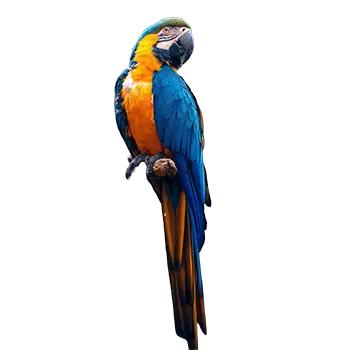

Car Travel

Traveling by car with a Blue and Gold Macaw requires careful preparation to ensure the bird's safety and minimize stress for both the parrot and the driver. The most important piece of equipment is a sturdy, well-ventilated travel carrier large enough for the macaw to stand, turn around, and extend its wings partially. Stainless steel or heavy-duty plastic carriers designed for large parrots are preferable to lightweight cages, which can shift or collapse during sudden stops. The carrier should be secured with a seatbelt or cargo straps to prevent movement during transit.

Temperature regulation is critical during car travel. Blue and Gold Macaws are tropical birds accustomed to warm, stable environments, and exposure to extreme heat or cold can cause serious health problems. In warm weather, ensure the vehicle's air conditioning is functioning and never leave the bird unattended in a parked car, where interior temperatures can reach dangerous levels within minutes. In cold weather, pre-warm the car before loading the bird and consider draping a breathable cover over part of the carrier to retain warmth without restricting airflow.

For longer road trips, plan regular stops to offer the bird water and small amounts of fresh food. Macaws can become dehydrated during travel, particularly in air-conditioned or heated vehicles where humidity is low. A small water dish attached to the inside of the carrier or a handheld water bottle can help keep the bird hydrated. Avoid offering large meals immediately before or during travel, as motion can cause digestive discomfort.

Acclimating the macaw to its travel carrier before the trip can significantly reduce travel-related stress. In the weeks leading up to a journey, place the carrier in the bird's living area with the door open, allowing the macaw to explore it at its own pace. Offering treats and favorite toys inside the carrier helps build positive associations. Birds that are comfortable entering and resting in their carrier before travel day are far less likely to exhibit panic behaviors such as screaming, feather plucking, or self-injury during the trip.

Air Travel

Air travel with a Blue and Gold Macaw is logistically complex and requires significant advance planning. Airline policies regarding avian passengers vary widely, and many major carriers do not permit large parrots in the cabin. Some airlines allow small birds in approved under-seat carriers, but the size of a macaw typically exceeds cabin carry-on dimensions, meaning the bird must travel as checked baggage or live cargo through the airline's dedicated animal transport program. Owners should contact their preferred airline well in advance to confirm current pet policies, size and weight restrictions, and documentation requirements.

When a macaw must travel in the cargo hold, selecting an airline with a reputable live-animal handling program is essential. Pressurized and temperature-controlled cargo compartments are standard on most commercial aircraft, but conditions can vary, and delays on the tarmac can expose animals to temperature extremes. Booking direct flights whenever possible reduces the risk of mishandling during layovers and transfers. Some owners opt for specialized pet transport companies that coordinate door-to-door shipping using dedicated animal freight services, which offer more controlled conditions than standard airline cargo.

Documentation for air travel typically includes a veterinary health certificate issued within a specified number of days before departure, proof of legal ownership, and any CITES permits required for international flights. Domestic flights within the United States generally require only a health certificate, while international travel adds layers of paperwork including CITES documentation, import permits, and destination-country quarantine arrangements. Airlines may refuse to board a bird if any required document is missing or expired.

The physical and psychological stress of air travel can affect macaws for days or weeks after arrival. Birds may exhibit behavioral changes such as reduced appetite, increased vocalization, or temporary withdrawal from social interaction. Providing a quiet, familiar environment at the destination, maintaining the bird's regular feeding schedule, and allowing ample time for readjustment can help ease the transition. Owners who travel frequently may find that their macaw acclimates to the process over time, but each journey should still be approached with thorough preparation and attention to the bird's comfort.

Pet-Friendly Accommodations

Finding suitable accommodations while traveling with a Blue and Gold Macaw can be challenging, as many hotels, vacation rentals, and lodging establishments have pet policies that do not extend to large exotic birds. Even properties that advertise themselves as pet-friendly often limit their acceptance to dogs and cats, and the noise potential of a macaw can be a dealbreaker for establishments concerned about disturbing other guests. Owners should always contact accommodations directly to discuss their specific situation rather than relying on general pet-friendly designations.

Vacation rental platforms offer a broader range of options for macaw owners, as private homes and cabins may be more flexible about exotic pets than commercial hotels. When booking a vacation rental, clear communication with the property owner about the bird's size, noise level, and housing requirements is essential. Offering a refundable pet deposit and providing references from previous stays can help reassure hesitant hosts. Some macaw owners have developed networks within the parrot community to share recommendations for bird-friendly rental properties.

When staying away from home, the macaw's temporary living arrangement should replicate its home environment as closely as possible. Bringing a collapsible travel cage or perch stand, familiar toys, and the bird's regular food helps maintain a sense of routine and security. The room should be checked for hazards such as open windows, ceiling fans, toxic houseplants, exposed electrical cords, and small objects that the bird could ingest. Bathroom doors and exterior doors should be kept closed to prevent escape.

For extended travel or cross-country relocations, some macaw owners choose to ship their bird separately via a professional pet transport service while they drive or fly without the bird. This approach can reduce stress for both the owner and the macaw, particularly when the travel itinerary involves multiple stops, long driving days, or accommodations that cannot accommodate a large parrot. Professional transporters handle documentation, carrier requirements, and climate-controlled transit, allowing the owner to focus on the logistics of their own journey.

Boarding & Pet Sitting

When travel plans do not permit bringing the macaw along, finding qualified care is a top priority. Boarding facilities that specialize in exotic birds or avian veterinary clinics that offer boarding services are generally the safest options, as staff at these facilities are experienced with the behavioral, dietary, and environmental needs of large parrots. General-purpose pet boarding kennels, while suitable for dogs and cats, may lack the expertise and facilities necessary to care for a macaw safely and comfortably.

When evaluating a boarding facility, owners should visit in person to inspect the bird housing area, assess cleanliness and ventilation, and observe how staff interact with avian residents. Key questions to ask include the facility's protocol for veterinary emergencies, the ratio of staff to birds, the types of enrichment provided, and whether the facility separates species to reduce disease transmission risk. A reputable avian boarding facility should be willing to accommodate the bird's regular diet and any medication schedules.

In-home pet sitting is an alternative that many macaw owners prefer, as it allows the bird to remain in its familiar environment with its own cage, toys, and routine. Finding a pet sitter with experience handling large parrots is essential, since macaws require confident, knowledgeable handling and can be intimidating to sitters unfamiliar with their size and beak strength. Avian rescue organizations, local bird clubs, and online parrot communities are good sources for referrals to experienced bird sitters.

Regardless of the care arrangement chosen, owners should prepare a detailed written care guide covering the bird's diet, daily routine, behavioral quirks, emergency veterinary contact information, and instructions for handling common situations such as the bird refusing food or displaying signs of stress. Leaving a garment or item with the owner's scent can provide comfort to a macaw that is closely bonded to its primary caregiver. A trial boarding stay or an introductory visit with the pet sitter before the actual trip helps identify potential issues and gives the bird an opportunity to begin adjusting to the temporary caregiver.

Emergency Preparedness

Emergency preparedness is an often-overlooked aspect of macaw ownership that becomes critically important during natural disasters, severe weather events, power outages, and other crises. Blue and Gold Macaws are sensitive to temperature extremes, air quality changes, and disruptions to their routine, making advance planning essential for their safety during emergencies. Every macaw owner should maintain a ready-to-go emergency kit that includes a sturdy travel carrier, a three-to-five day supply of the bird's regular food and fresh water, any medications the bird requires, copies of veterinary records and ownership documentation, and a basic first-aid kit for birds.

Evacuation planning should account for the macaw's specific needs. Not all emergency shelters accept pets, and those that do may not be equipped to house large parrots. Owners should identify pet-friendly shelters, hotels, and boarding facilities along their evacuation routes before an emergency occurs. The American Red Cross and local emergency management agencies maintain lists of pet-friendly shelters, and some communities have established dedicated animal evacuation centers that can accommodate exotic species.

Power outages pose a particular threat to macaws in regions with extreme temperatures. Without heating or air conditioning, indoor temperatures can quickly reach levels that are dangerous for a tropical bird. Battery-powered or propane heaters can provide temporary warmth in cold weather, but owners must ensure adequate ventilation to prevent carbon monoxide buildup. In hot weather, battery-operated fans, frozen water bottles placed near the cage, and relocating the bird to the coolest room in the house can help manage heat stress until power is restored.

Bird identification is a crucial component of emergency preparedness. Macaws should be microchipped by an avian veterinarian, and owners should keep the microchip registration current with accurate contact information. Leg bands, if present, should be recorded and included in the bird's documentation. Clear, recent photographs of the bird from multiple angles can aid in identification and recovery if the macaw escapes during an emergency. Joining local lost-and-found pet networks and parrot community groups in advance ensures that owners have access to rapid communication channels if their bird goes missing during a crisis.

Always consult a qualified professional before making any health-related decisions. This content is provided for informational reference only and should not replace professional guidance specific to your animal.