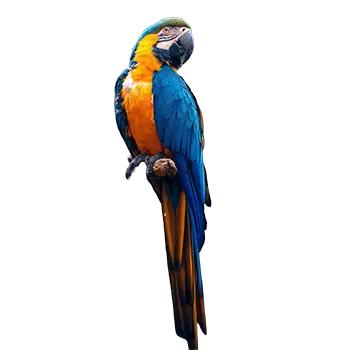

The Blue and Gold Macaw is listed under Appendix II of the Convention on International Trade in Endangered Species of Wild Fauna and Flora (CITES), a designation that means international commercial trade in the species is permitted only with proper documentation confirming that the transaction will not be detrimental to the survival of wild populations. Any cross-border movement of a Blue and Gold Macaw, whether for sale, breeding loan, or personal relocation, requires a CITES export permit from the country of origin and, in many cases, a corresponding import permit from the destination country.
CITES permits are issued by designated national management authorities, and the application process typically requires proof that the bird was legally acquired — either captive-bred by a licensed breeder or lawfully held prior to the species' listing. For captive-bred specimens, breeders must demonstrate that their facility is registered and that breeding stock was obtained in compliance with national and international law. Fraudulent documentation remains a challenge in the global parrot trade, and enforcement agencies in several countries have developed forensic and genetic tools to verify the captive-bred origin of macaws presented for export.
The stringency of CITES enforcement varies significantly by country. Nations with well-funded wildlife agencies and established permitting infrastructure tend to process applications relatively smoothly, while countries with limited enforcement capacity may experience delays, inconsistencies, or gaps that traffickers exploit. International cooperation through INTERPOL and regional wildlife enforcement networks has improved detection of illegal shipments, but the clandestine trade in parrots continues to pose risks to wild populations in parts of Latin America.
Prospective macaw owners planning international moves or purchases should research the specific CITES requirements of both the exporting and importing countries well in advance. Processing times for permits can range from weeks to months, and incomplete applications or discrepancies in documentation can result in seizure of the bird at border crossings. Working with an experienced avian veterinarian or a CITES-accredited breeder can help ensure compliance and avoid costly legal complications.